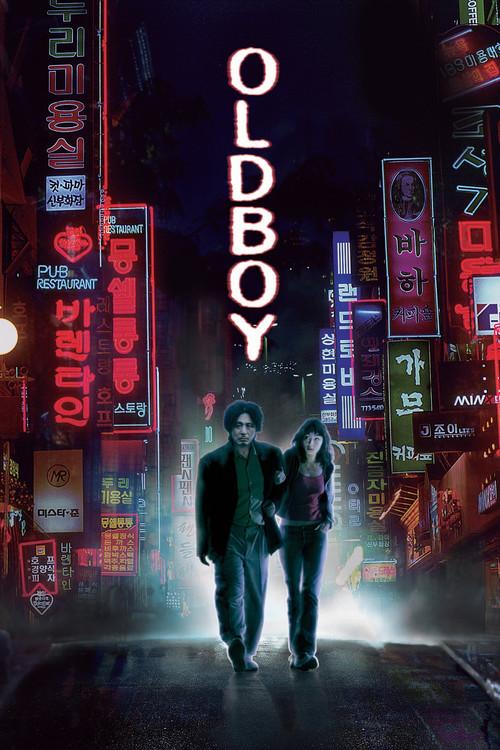
Action · Drama · Mystery

Oldboy

Park Chan-wook, 2003

A man is locked up for 15 years with no explanation, then released just as mysteriously. He has to find out why before the truth destroys him worse than the imprisonment did. This is the centerpiece of Park Chan-wook's Vengeance Trilogy.

Oldboy (2003) poster

At a glance

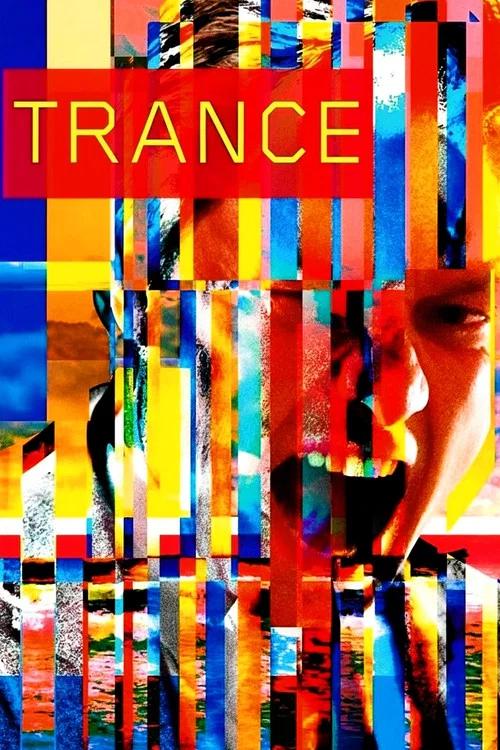
Oldboy is a 2003 action, drama and mystery film directed by Park Chan-wook. This breakdown covers 5 techniques (2 editing, 2 narrative and 1 psychology), each with the scene where you can see it. If you like how it is made, Trance uses several of the same techniques.

Editing

Corridor Oner Combat

Filming a long fight in a tight space as one unbroken take. With no cuts, you feel how long it lasts and how exhausted the fighter gets, so the violence never looks pretty.

How this film uses it

The hallway fight is filmed in 1 unbroken shot, often called a oner, and it's choreographed to look like hard labor. Oh Dae-su is barely winning. He slips, he crawls and he keeps fighting when he's nearly too tired to stand. With no cut, you can't look away, and the editing never saves you from seeing what violence takes out of a person.

Where to see it

The corridor fight. Oh Dae-su drags himself through a long line of opponents. The single take gives him (and you) no break.
Narrative

Retroactive Reframing Revelation

Saving a reveal for the climax that changes the meaning of every scene before it. You have to rebuild the whole film in your head with the new knowledge.

How this film uses it

Lee Woo-jin's revelation solves the mystery, and it also changes the meaning of every scene before it. The love story becomes a trap and the investigation becomes a performance. The villain's behavior made no sense before, and now it turns out to be a precisely designed machine. You pretty much have to replay in your head the film you thought you saw.

Where to see it

Lee Woo-jin's reveal. At this point, the film you thought you were watching is replaced by the one you were really watching.

Editing

Time Compression Editing

Squeezing long spans of story time into a few minutes of cutting, so you feel how years pass, routines harden or a relationship deepens without seeing every step.

How this film uses it

The film shows 15 years of imprisonment in roughly 5 minutes. The speed does more than fill in backstory. It lets you feel what time is like in solitary confinement. The days blur, the routines become the whole world and the television is the only link to other people. You understand what imprisonment does to a person faster than you can take it in.

Where to see it

The imprisonment montage. Oh Dae-su's years go by as a string of meals, exercises and television broadcasts.

Psychology

Live Octopus Transgression

Filming a character eating a live animal for real, with no cuts and no special effects. The act shows their relationship to survival and hunger, and how far past normal limits they have gone.

How this film uses it

Right after his release, Oh Dae-su eats a live octopus. The octopus was real, and 4 were used during filming. The scene is about animal hunger and about crossing back into the world of the living. It also shows how far the film itself will go past what movies normally show.

Where to see it

The sushi restaurant scene. Oh Dae-su eats the octopus alive. Its tentacles are still moving on his face before he collapses.

Narrative

Antagonist-Scripted Protagonist

Revealing that the villain planned everything the hero did from the start, including the investigation, the choices and the apparent wins. The hero's freedom turns out to be an illusion.

How this film uses it

Every step of Oh Dae-su's investigation was allowed and arranged for him. That includes finding Mido, identifying the restaurant and tracking down Lee Woo-jin. The hero is following a script the villain wrote. The film runs on the usual rules of the noir investigation and the revenge thriller, and those rules turn out to be a cage.

Where to see it

Lee Woo-jin giving Oh Dae-su the photo album. It proves that every choice he thought he made freely was a guided step.

Questions

Oldboy: quick answers

What filmmaking techniques does Oldboy use?
CineCode breaks down 5 techniques in Oldboy (2003): Corridor Oner Combat, Retroactive Reframing Revelation, Time Compression Editing, Live Octopus Transgression and Antagonist-Scripted Protagonist.
Who directed Oldboy?
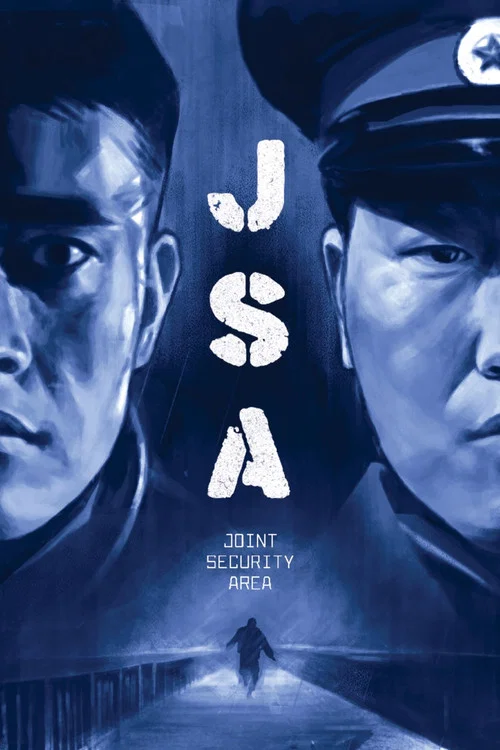
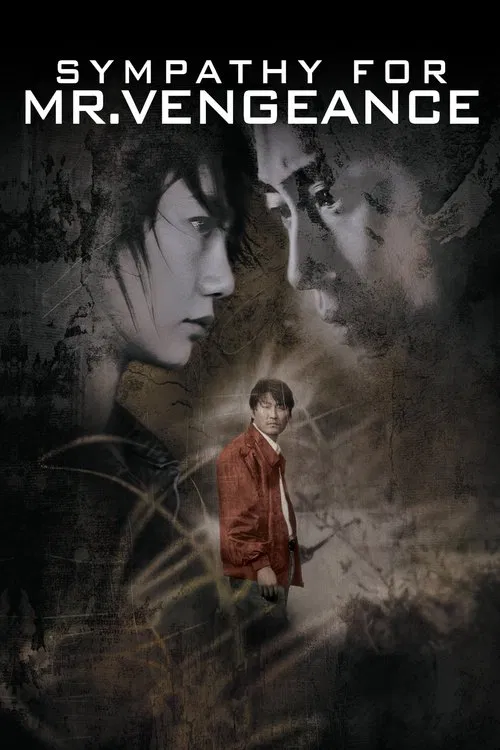
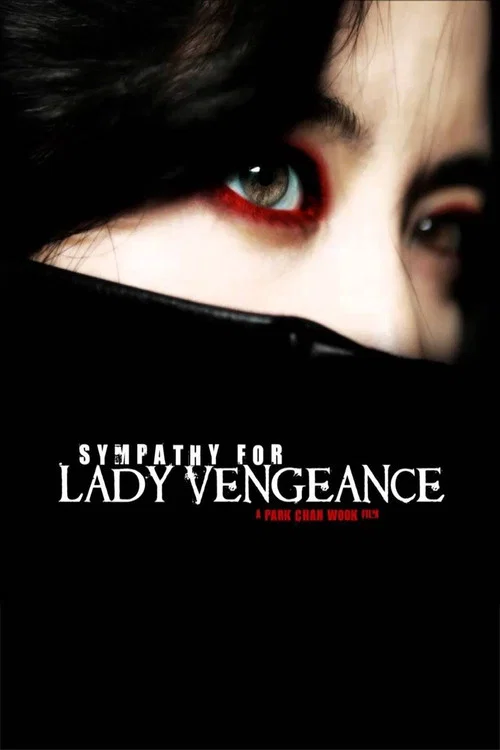
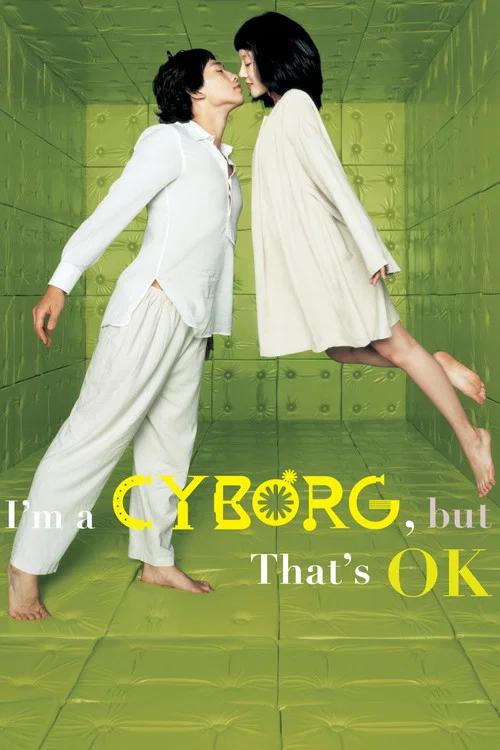
Park Chan-wook directed Oldboy, released in 2003. CineCode also covers Joint Security Area (2000), Sympathy for Mr. Vengeance (2002), Lady Vengeance (2005), I'm a Cyborg, But That's OK (2006), Thirst (2009), Stoker (2013).
What films are similar to Oldboy?
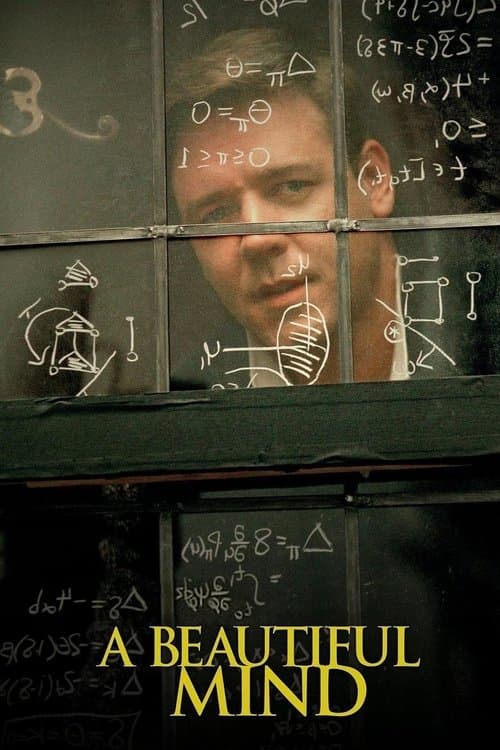
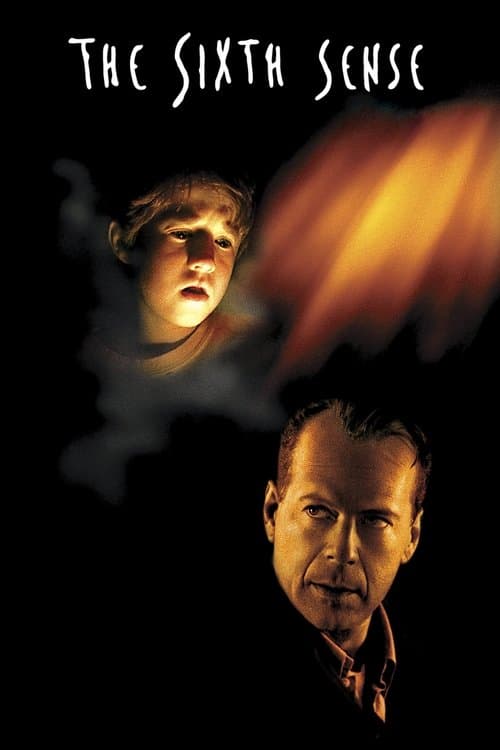
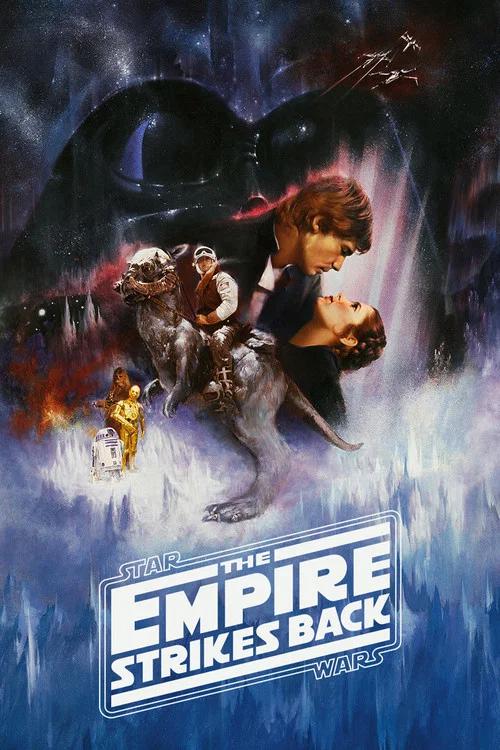
Films that share techniques with Oldboy include Trance (2013), Star Wars: The Empire Strikes Back (1980), A Beautiful Mind (2001), The Sixth Sense (1999).