Narrative technique · used in 2 films

Antagonist-Scripted Protagonist

Revealing that the villain planned everything the hero did from the start, including the investigation, the choices and the apparent wins. The hero's freedom turns out to be an illusion.

Examples

2 films that use it

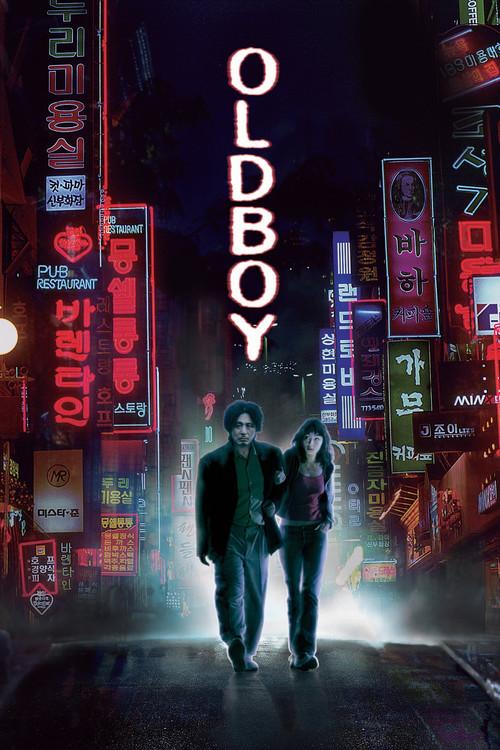
  1. Oldboy (2003) poster

    Oldboy

    Park Chan-wook · 2003

    Every step of Oh Dae-su's investigation was allowed and arranged for him. That includes finding Mido, identifying the restaurant and tracking down Lee Woo-jin. The hero is following a script the villain wrote. The film runs on the usual rules of the noir investigation and the revenge thriller, and those rules turn out to be a cage.

    Where to see it: Lee Woo-jin giving Oh Dae-su the photo album. It proves that every choice he thought he made freely was a guided step.
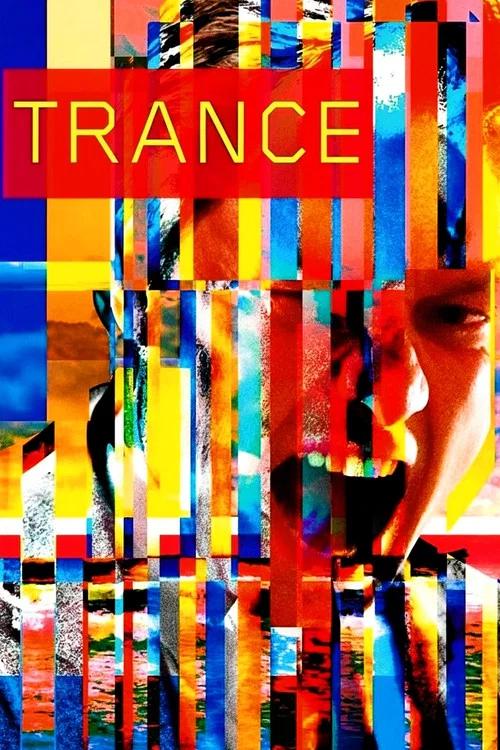
  2. Trance (2013) poster

    Trance

    Danny Boyle · 2013

    Simon thinks Elizabeth is helping him. In the last scene you learn she hypnotized him to steal the painting as payback, so his choices were planted. Franck then gets her video and has to decide between chasing her and erasing his own memory with an app.

    Where to see it: The final video. Franck receives an iPad message from Elizabeth, who now has the painting, and can hunt her or wipe his memory.

Questions

Quick answers

What is antagonist-scripted protagonist in film?
Revealing that the villain planned everything the hero did from the start, including the investigation, the choices and the apparent wins. The hero's freedom turns out to be an illusion.
Which films use antagonist-scripted protagonist?
Oldboy (2003), Trance (2013).
What kind of technique is antagonist-scripted protagonist?
It is a narrative technique. Related narrative techniques include Retroactive Reframing Revelation, Symbolic Object, Observational Restraint.