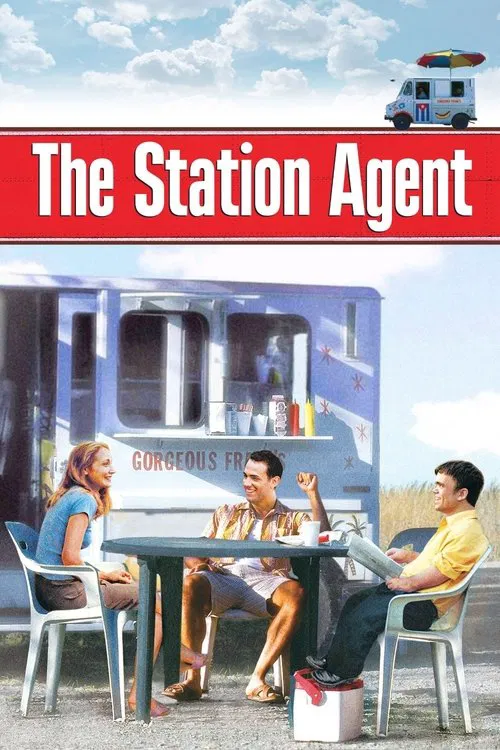
After his only friend dies, Fin, a quiet man with dwarfism who loves trains, inherits an abandoned railroad depot in rural New Jersey and moves in to be left alone. A talkative snack truck owner and a grieving painter keep turning up anyway. Watch how little the film pushes you toward a feeling.
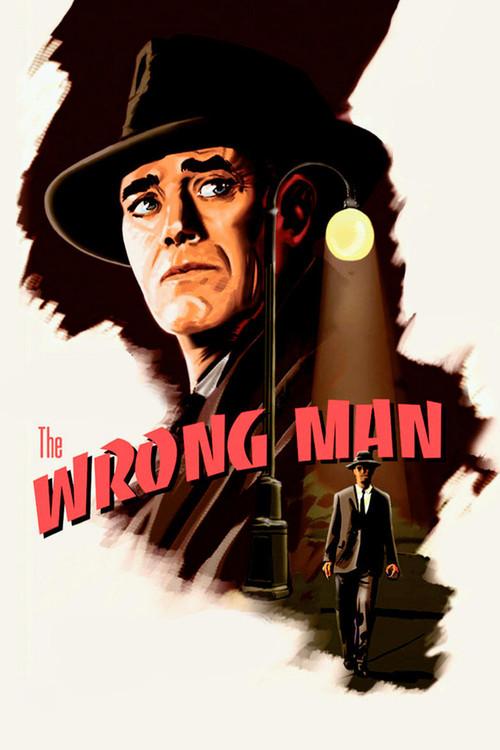
The Station Agent is a 2003 drama and comedy film directed by Tom McCarthy. This breakdown covers 5 techniques (3 narrative, 1 cinematography and 1 psychology), each with the scene where you can see it. If you like how it is made, The Wrong Man uses several of the same techniques.
Watching events from a measured distance with no swelling music, tear-jerking close-ups or showy camera moves. The film trusts what happens to carry the weight on its own.
How this film uses it
McCarthy keeps the camera at a calm distance and lets quiet stretches sit. Nobody gives a speech about loneliness or friendship. You work out how these people feel from what they do.
Where to see it
The track walks. Fin and Joe take their daily walks along the railway line, and the film simply watches their friendship settle in.
Writing a disabled character as a full person with humor, anger, desire and choices of their own. The disability is one part of their life, and the film never plays it for tragedy or inspiration.
How this film uses it
Fin is a man with dwarfism, and the film treats that as one fact about him. He is dry, private and stubborn, and he makes his own choices. The story keeps its attention on what he wants.
Where to see it
Fin at the train shop. He works quietly among the model trains in Hoboken until his friend Henry dies and leaves him the depot.
Filming in recognizable real places so the setting acts like part of the cast. Streets, buildings and landscapes shape the mood of the story.
How this film uses it
McCarthy shot at a real station in Newfoundland, New Jersey, built in 1872 and still beside an active rail line. Freight trains pass the windows while Fin lives inside. The place explains both his hobby and his wish for peace.
Where to see it
The depot. Fin moves into the old station he inherited and watches the trains go by.
Building a relationship out of small repeated activities like walks, drives and shared meals. Trust grows through routine, so the film needs no big speech to prove the bond.
How this film uses it
Joe keeps showing up with his snack truck and endless chatter until Fin gives in. They walk the tracks, drive beside a passing train so Fin can film it and end up eating together. Nothing dramatic happens, and by the last meal their easy teasing tells you they are family of a sort.
Where to see it
The train-filming drive. Olivia gives Fin a movie camera, and Joe drives alongside a passing train so Fin can film it.
Giving a character a protective manner, such as charm, cynicism or intellect, that hides vulnerability. The audience sees the defense first and the wound it covers later.
How this film uses it
Fin moves to a remote depot so nobody will bother him. When he tries to protect Emily at the bar and gets shoved aside, he shuts down again and refuses Joe's apology. You feel both the comfort and the cost of his distance.
Where to see it
The bar scene with Emily. Fin tries to protect her from her boyfriend, gets shoved aside, and turns cold toward Joe afterward.
Questions
The Station Agent: quick answers
What filmmaking techniques does The Station Agent use?
CineCode breaks down 5 techniques in The Station Agent (2003): Observational Restraint, Disability Without Pity, Real Locations as Character, Friendship Through Shared Routine and Defensive Persona.
Who directed The Station Agent?
Tom McCarthy directed The Station Agent, released in 2003. CineCode also covers Spotlight (2015).
What films are similar to The Station Agent?
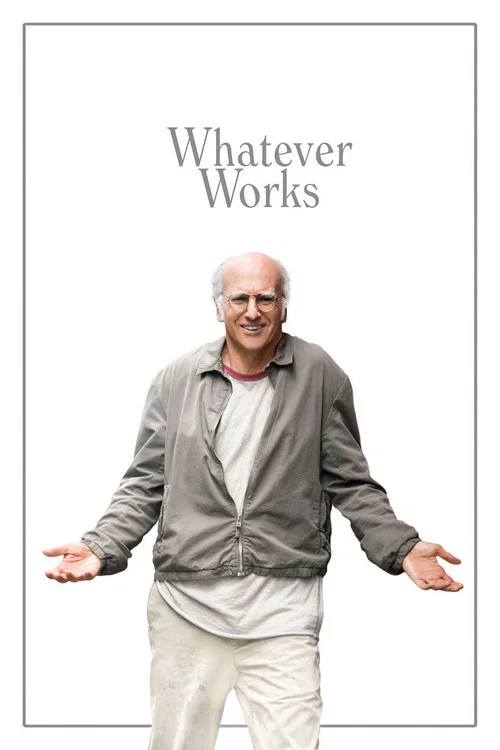
Films that share techniques with The Station Agent include The Wrong Man (1956), Whatever Works (2009), The Bling Ring (2013), Somewhere (2010).