Drama · Fantasy · Romance

The Shape of Water

Guillermo del Toro, 2017

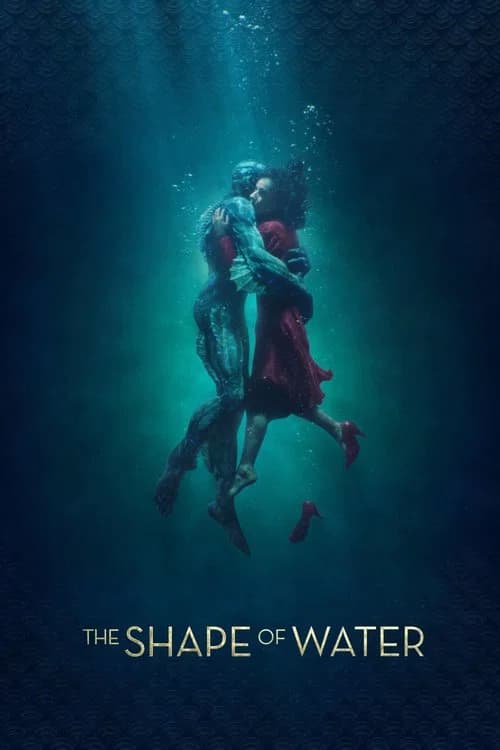
A mute cleaning woman works at a research facility during the Cold War. She falls in love with an amphibious creature the government is holding for experiments. Del Toro's fairy tale borrows the style of classic Hollywood musicals and monster films, and it makes a case for a love that exists outside language.

The Shape of Water (2017) poster

At a glance

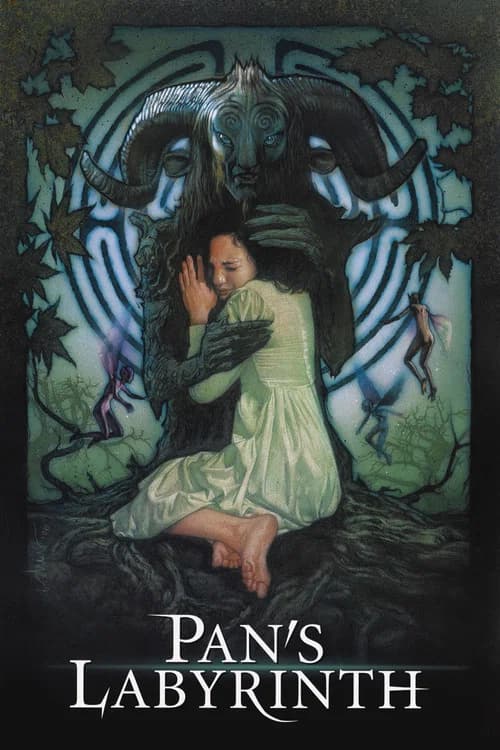
The Shape of Water is a 2017 drama, fantasy and romance film directed by Guillermo del Toro. This breakdown covers 4 techniques (1 cinematography, 1 psychology and 2 narrative), each with the scene where you can see it. If you like how it is made, Pan's Labyrinth uses several of the same techniques.

Cinematography

Color Palette as Worldbuilding

Limiting the film to a tightly chosen set of colors, or giving each place or state its own set. The colors tell you about the world and its mood without dialogue.

How this film uses it

Dan Laustsen fills the film with green, steel blue and teal. These are the colors of water and of the creature, and Elisa's apartment is green and teal too. The light turns golden when the characters feel love. The colors work like a moral map. Places with drained color belong to institutional power, and places that glow are where real feeling lives.

Where to see it

Elisa's apartment. Its green and teal tones make it the emotional center of the film before any plot has started.
Psychology

Protective Fiction

Having a character invent and keep up a false version of reality to shield someone they love, or themselves, from a truth too painful to bear. The lie is a way to survive.

How this film uses it

Elisa builds her life around small fictions that give it warmth (her friendship with Giles, the musicals she watches, the private rituals of her apartment). Calling them escapism would undersell them. Elisa has no voice and no institutional power, and these fictions are what let her keep her dignity and her ability to love. The creature is the one fiction that becomes real.

Where to see it

Elisa's fantasy sequence. She imagines a black-and-white musical. For a moment, the film turns into the kind of movie she loves, which shows how seriously it takes her inner life.

Narrative

Disability Without Pity

Writing a disabled character as a full person with humor, anger, desire and choices of their own. The disability is one part of their life, and the film never plays it for tragedy or inspiration.

How this film uses it

The film doesn't treat Elisa's muteness as suffering or as a magical gift. It is simply how she communicates: with sign language, with notes and with her body. You are never asked to pity her or to be amazed by her resilience. Her disability is the reason she can communicate with the creature. The film treats that as natural, 2 beings outside the language of power who find one they share.

Where to see it

Elisa signing to the creature. They communicate as naturally and directly as any 2 people talking out loud. The film never presents sign language as a limitation she has to overcome.

Narrative

Circular Structure

Ending the film where it started, or with a scene that echoes the opening. The repeat shows what has changed, or suggests the cycle will keep going.

How this film uses it

The film opens with a dreamlike image of Elisa underwater. Her apartment is flooded and her body floats in the green light. The ending echoes this image, with Elisa underwater again, this time with the creature. So from the first frame, the film is telling you the love story will not end with the 2 of them apart. When it returns to water at the end, it feels like a promise kept, and you understand that water is where she belongs.

Where to see it

The opening underwater sequence. The ending of the film echoes it, so the fairy tale's ending was visible in the first image.

Questions

The Shape of Water: quick answers

What filmmaking techniques does The Shape of Water use?
CineCode breaks down 4 techniques in The Shape of Water (2017): Color Palette as Worldbuilding, Protective Fiction, Disability Without Pity and Circular Structure.
Who directed The Shape of Water?
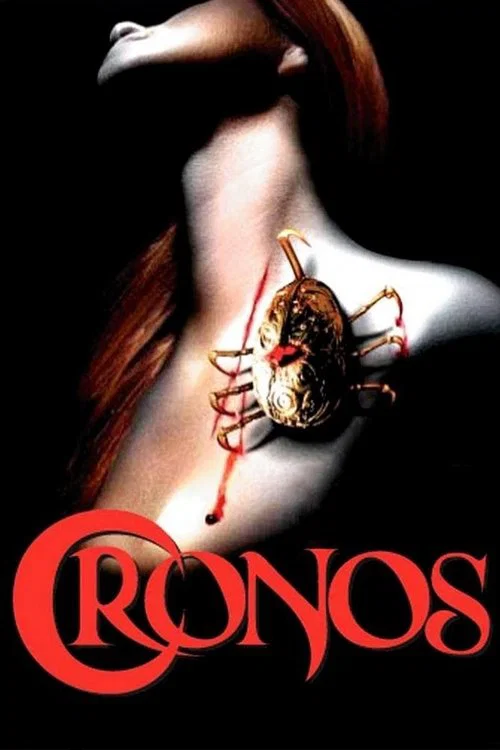
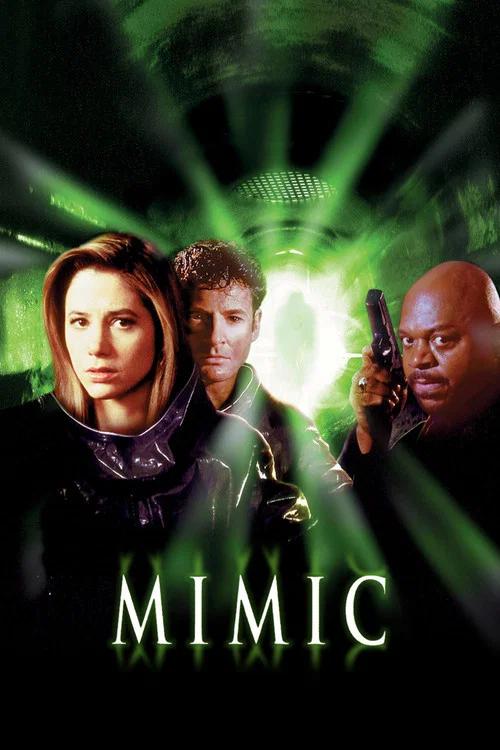
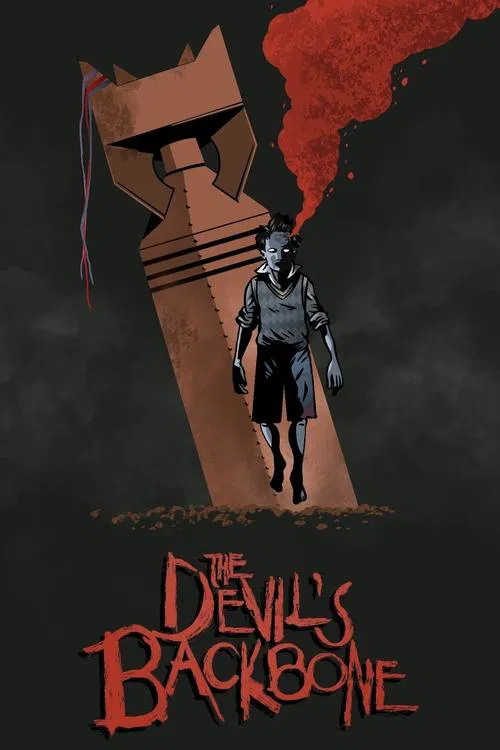
Guillermo del Toro directed The Shape of Water, released in 2017. CineCode also covers Cronos (1993), Mimic (1997), The Devil's Backbone (2001), Blade II (2002), Hellboy (2004), Pan's Labyrinth (2006).
What films are similar to The Shape of Water?
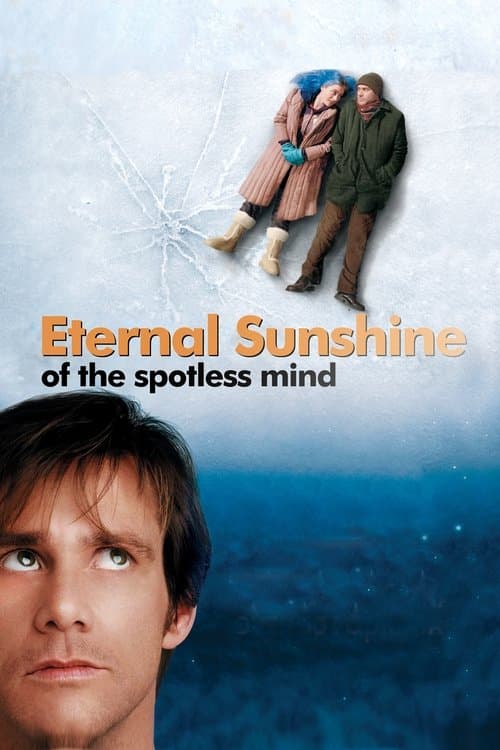
Films that share techniques with The Shape of Water include Pan's Labyrinth (2006), A Little Princess (1995), Eternal Sunshine of the Spotless Mind (2004), Her (2013).