Drama · Adventure · Family

Wonderstruck

Todd Haynes, 2017

Two deaf children, a girl in 1927 and a boy in 1977, each run away to New York to look for a parent. Their stories alternate and connect. It's worth watching for how Todd Haynes tells one half like a silent film and the other like a 1970s movie.

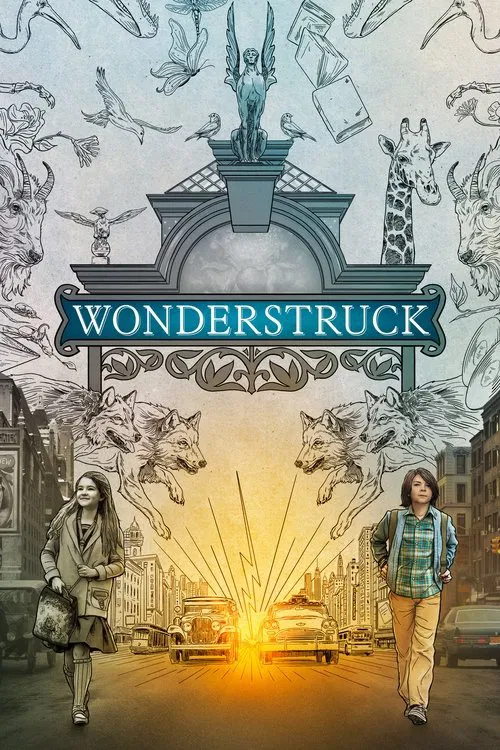
Wonderstruck (2017) poster

At a glance

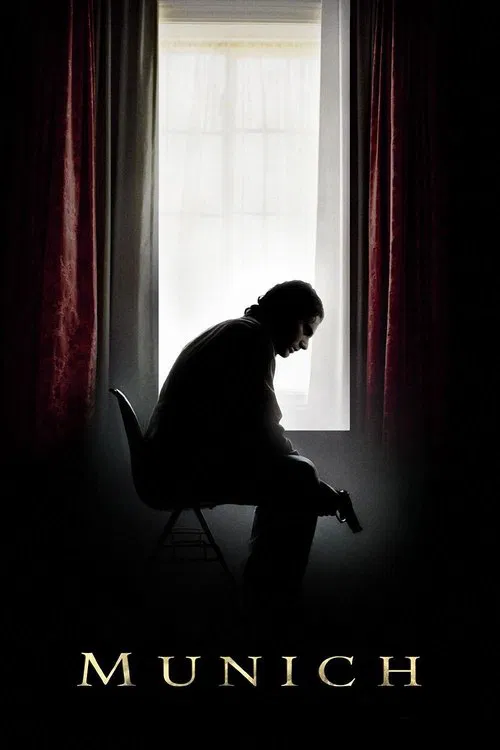
Wonderstruck is a 2017 drama, adventure and family film directed by Todd Haynes. This breakdown covers 4 techniques (2 narrative, 1 cinematography and 1 sound), each with the scene where you can see it. If you like how it is made, Munich uses several of the same techniques.

Narrative

Parallel Chronology

Cutting back and forth between 2 timelines, often past and present. Each one helps explain the other as the film goes on.

How this film uses it

The film cuts between Rose in 1927 and Ben in 1977, each searching for a missing parent. The two timelines answer each other as the film goes on. You wait for the point where they connect.

Where to see it

The cross-cutting. Rose runs away from her father's New Jersey home and Ben runs away from his Minnesota home.
Cinematography

Era-Coded Visual Grammar

Changing the color, film texture and camera style for each time period, and using the fashion and architecture of the day. Every era gets its own distinct feel.

How this film uses it

The 1927 scenes are shot in black and white with a design Haynes called not naturalistic or literal. The 1977 scenes are in color with the gritty urban look of films like Midnight Cowboy and The French Connection. You always know which era you are in.

Where to see it

The 1927 scenes. Rose's story is in black and white, with a design influenced by silent films by Murnau and King Vidor.

Sound

Continuous Score as Voice

Letting a near-constant musical score carry the story where characters cannot speak or hear. The music fills the gap that dialogue would normally fill.

How this film uses it

Rose is deaf and the 1927 scenes are in black and white, yet they are not silent. Carter Burwell's score runs almost all the way through, so the music speaks for her.

Where to see it

Rose's journey. The 1927 story follows Rose as she looks for her mother, the actress Lillian Mayhew, with music underneath.

Narrative

Disability Without Pity

Writing a disabled character as a full person with humor, anger, desire and choices of their own. The disability is one part of their life, and the film never plays it for tragedy or inspiration.

How this film uses it

Rose and Ben are deaf, and the film treats them as full people on a quest. They are curious, stubborn and capable. Their deafness is part of their journey, and the film does not use it to make you cry.

Where to see it

The two runaways. Both children leave home alone on a search for a parent and the film stays with their point of view.

Questions

Wonderstruck: quick answers

What filmmaking techniques does Wonderstruck use?
CineCode breaks down 4 techniques in Wonderstruck (2017): Parallel Chronology, Era-Coded Visual Grammar, Continuous Score as Voice and Disability Without Pity.
Who directed Wonderstruck?
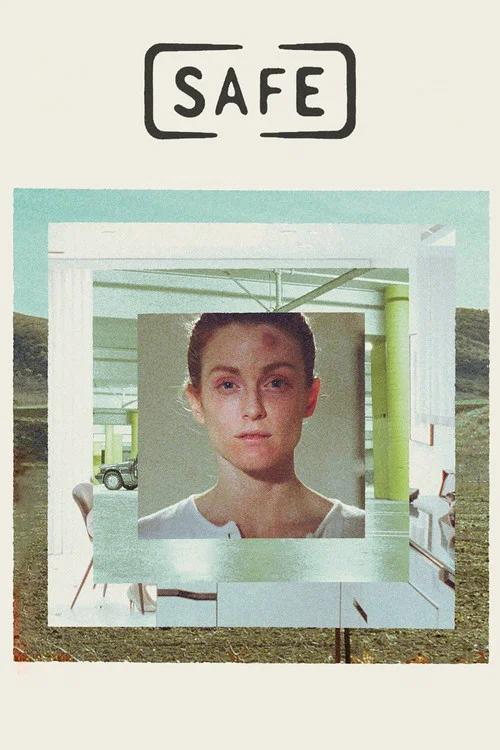
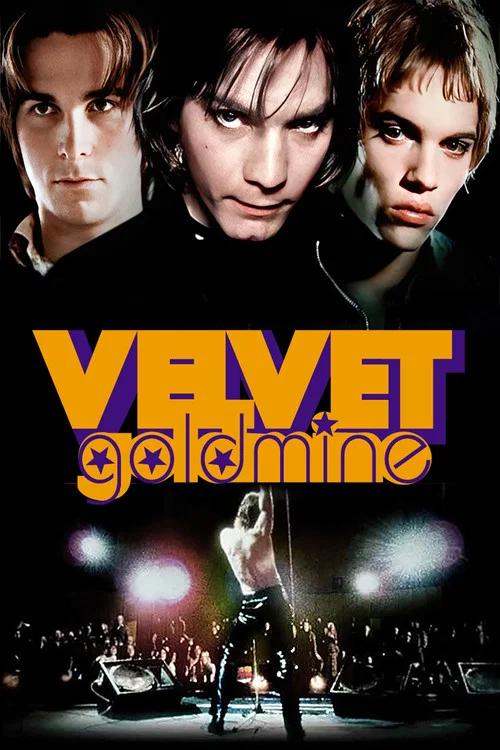
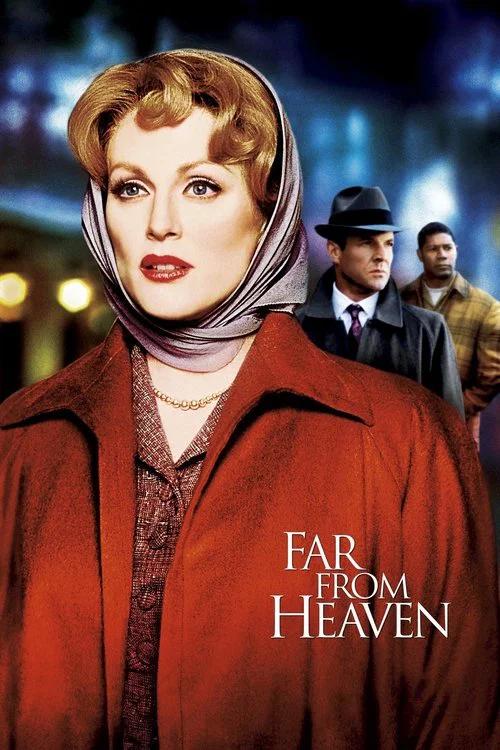
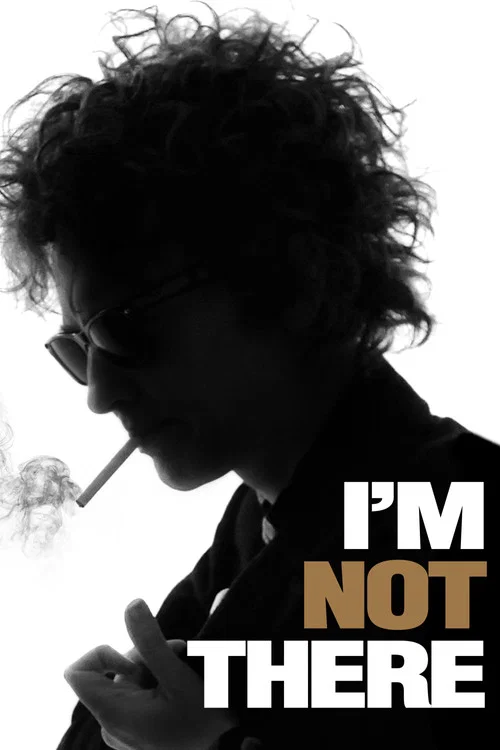
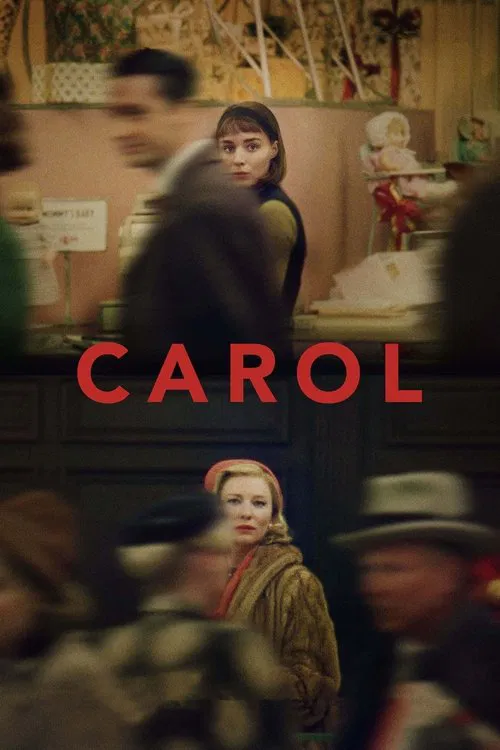
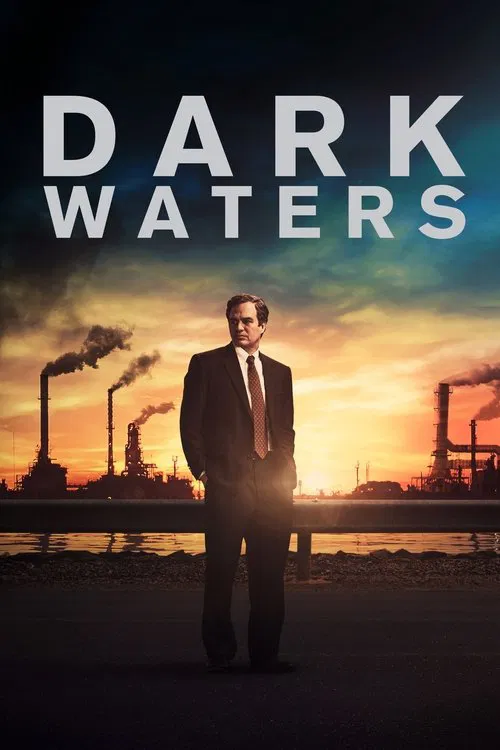
Todd Haynes directed Wonderstruck, released in 2017. CineCode also covers Safe (1995), Velvet Goldmine (1998), Far from Heaven (2002), I'm Not There (2007), Carol (2015), Dark Waters (2019).
What films are similar to Wonderstruck?
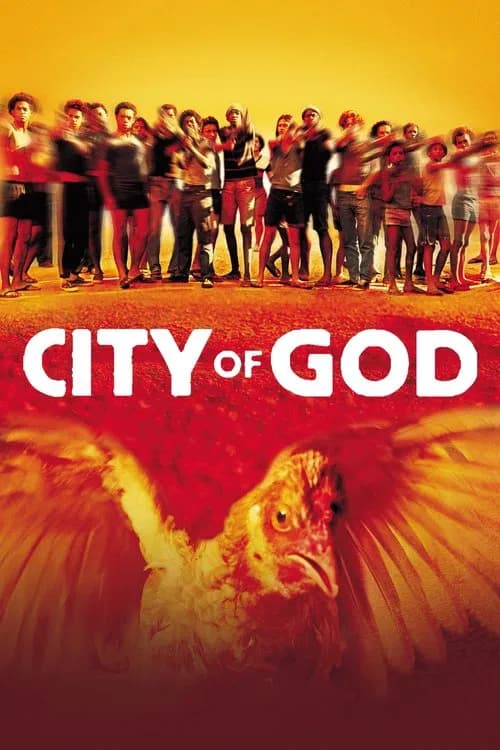
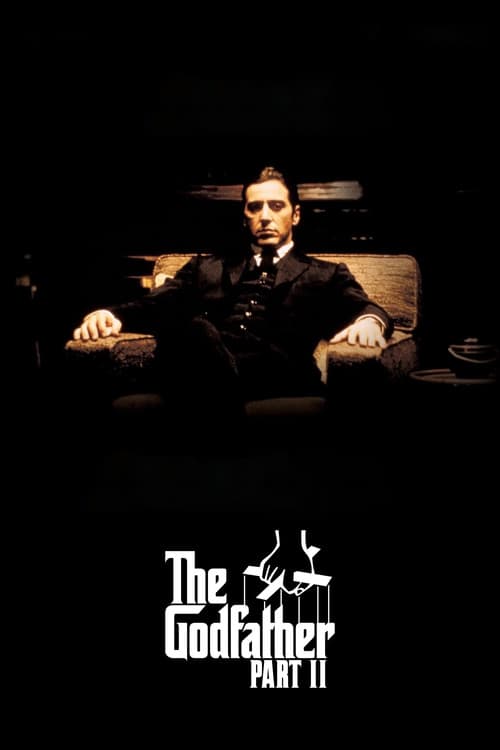
Films that share techniques with Wonderstruck include Munich (2005), The Godfather Part II (1974), City of God (2002), The Intouchables (2011).