Psychology technique · used in 6 films

Epistemic Horror

Making the fear come from being unable to know what is real. The character can't trust their own records, memories or senses, and that is scarier than any physical threat.

Examples

6 films that use it

  1. The Lady Vanishes (1938) poster

    The Lady Vanishes

    Alfred Hitchcock · 1938

    Iris was hit on the head before boarding, and a doctor on the train says she's imagining things. Then another woman shows up wearing Miss Froy's clothes and claims to be the lady she means. Even Iris starts to doubt herself, and you start to doubt with her.

    Where to see it: Madame Kummer appears. A woman dressed exactly like Miss Froy sits in her seat and says she was the one helping Iris all along.
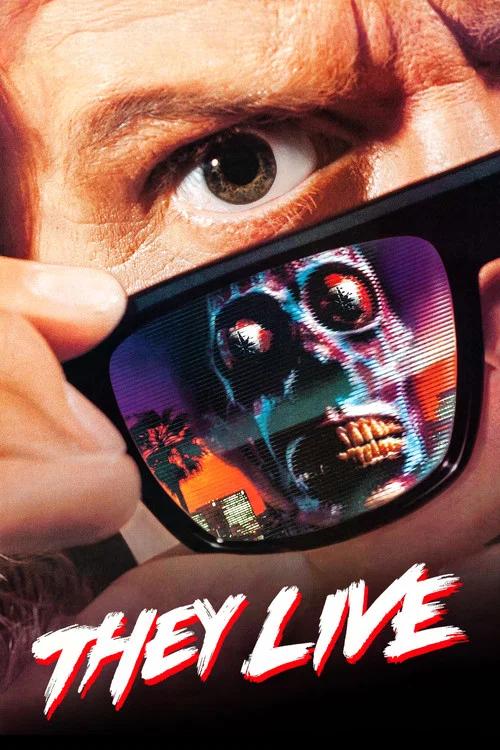
  2. They Live (1988) poster

    They Live

    John Carpenter · 1988

    Aliens look like ordinary people until you look through the glasses. You cannot trust your own eyes, or anyone's face, which makes every crowd scene feel unsafe. The fear is about what you cannot see.

    Where to see it: The supermarket: Nada sees aliens in a supermarket, and 2 alien police officers confront him. He kills them and takes their guns.

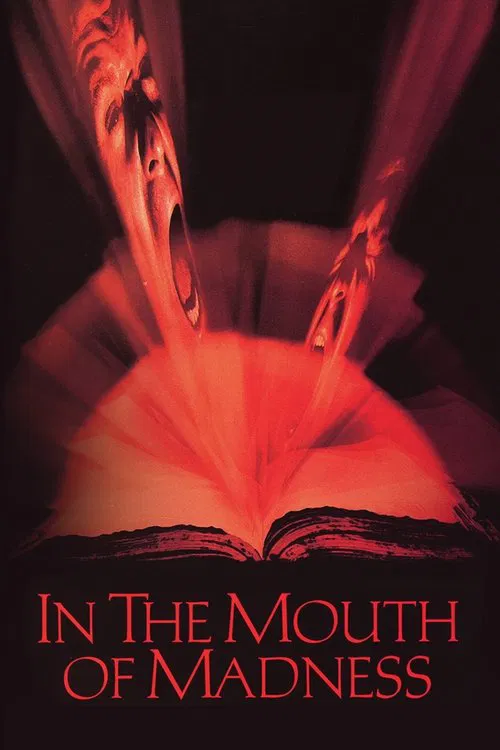
  3. In the Mouth of Madness (1995) poster

    In the Mouth of Madness

    John Carpenter · 1995

    John cannot tell what is real, and neither can you. Linda sees the same cyclist as a young man and an old man, the road vanishes and John keeps ending up back in the town center. Every attempt to escape confirms that the rules are not his.

    Where to see it: The loop: while trying to escape Hobb's End, John keeps finding himself teleported back to the town center. He crashes his car in frustration and wakes in the church.

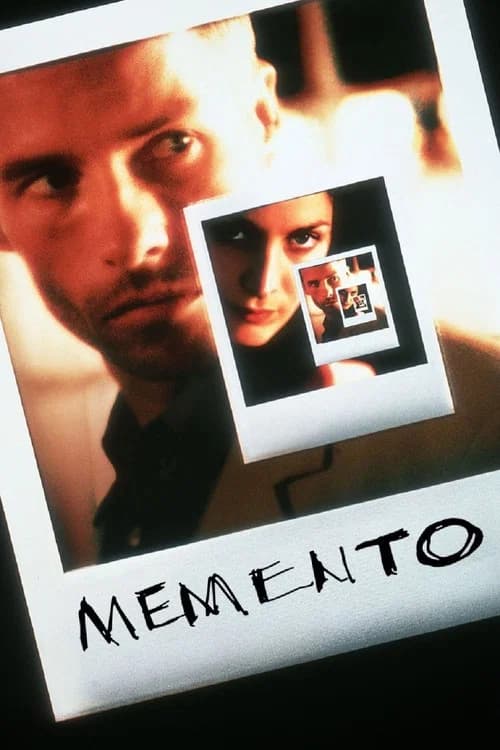
  4. Memento (2000) poster

    Memento

    Christopher Nolan · 2000

    The final reveal is that Leonard may have already found his wife's killer and chosen to forget, so he can keep hunting. In a normal mystery, finding the answer is the fun part. Here, it becomes something far more disturbing. He can't remember, and the horror is that he might not want to.

    Where to see it: Teddy's revelation in the final stretch of the film. It raises the possibility that Leonard has been inventing his own purpose.

  5. Arrival (2016) poster

    Arrival

    Denis Villeneuve · 2016

    The terror in Arrival happens in the mind. Louise starts to perceive time out of order, and the film follows the break in understanding that causes. The knowledge is more frightening than the aliens. The future becomes as readable as the present, and she has to face what that knowledge asks her to choose.

    Where to see it: Louise's first flashes of out-of-order vision. Her sense of past and future falls apart. The knowledge arrives as horror before it turns into acceptance.

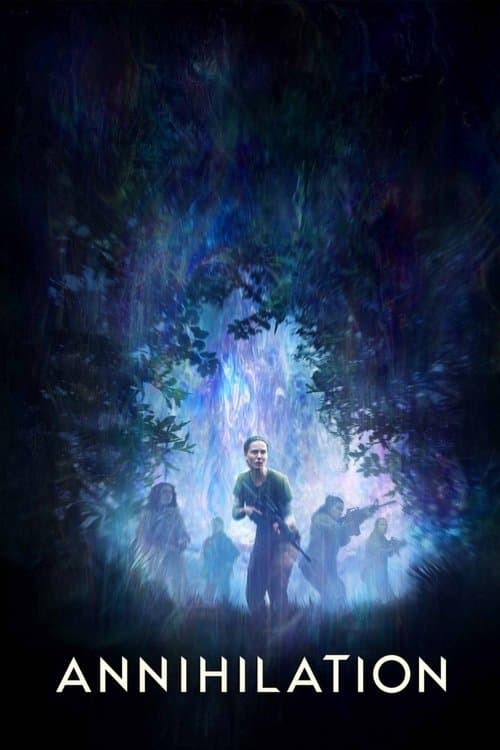
  6. Annihilation (2018) poster

    Annihilation

    Alex Garland · 2018

    In the lighthouse climax, Lena faces a being she can't understand, talk to or fight. The only thing she can do with it is mirror it. Not being able to understand is itself the horror.

    Where to see it: The doppelgänger (exact double) sequence in the lighthouse. The creature copies Lena's every movement, and she comes face to face with a self she can't know.

Questions

Quick answers

What is epistemic horror in film?
Making the fear come from being unable to know what is real. The character can't trust their own records, memories or senses, and that is scarier than any physical threat.
Which films use epistemic horror?
The Lady Vanishes (1938), They Live (1988), In the Mouth of Madness (1995), Memento (2000), Arrival (2016), Annihilation (2018).
What kind of technique is epistemic horror?
It is a psychology technique. Related psychology techniques include others listed on the CineCode techniques page.