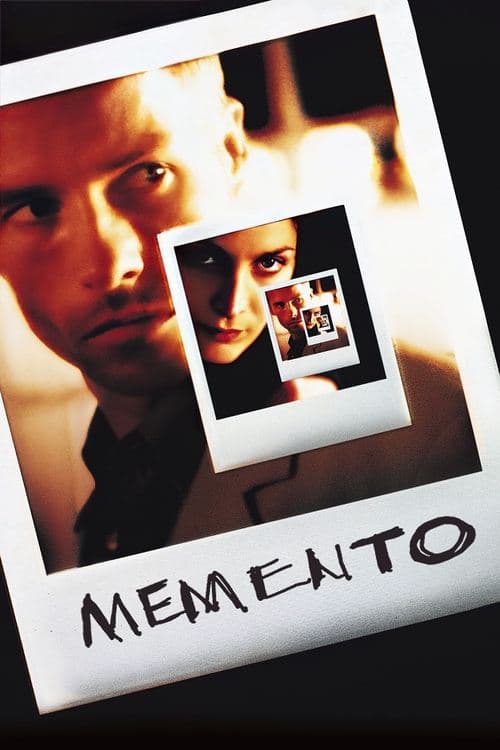
Memento
Christopher Nolan · 2000
A man with no short-term memory investigates his wife's murder using tattoos and Polaroids to navigate a world he cannot retain — the film runs its scenes in reverse order, placing the audience in his condition. A puzzle film in which the mechanics of storytelling are the story's subject.
Techniques Used
4 techniques identified in this film
Reverse Scene Sequence
EditingPresenting a film's scenes in reverse chronological order so that each scene is a consequence of an event the audience has not yet seen — placing viewers in the protagonist's exact position of knowing effects without causes.
How this film uses it
Nolan structures the color sequences in reverse — each scene ending where the previous scene began — so that the audience experiences the same temporal disorientation as Leonard. We know what happens but not why, then learn why but lose what happened. The structure is the disability.
External Memory System
NarrativeUsing physical objects — photographs, tattoos, notes — as a character's externalized memory, making the unreliability of documentation a narrative theme as well as a plot mechanism.
How this film uses it
Leonard's polaroids with handwritten captions, his tattooed facts, his annotated notes constitute a memory system that is shown to be gameable — anyone who understands his condition can rewrite his reality by manipulating his notes. The external memory is less reliable than the internal memory it replaced.
Black-and-White Forward Chronology
EditingUsing a separate visual register — black and white — for a chronologically forward-moving storyline that runs parallel to a reverse-chronological color storyline, the two converging at the film's structural center.
How this film uses it
The black-and-white sequences run forward in time from a fixed point, while the color sequences run backwards. The two strands converge in the film's middle — which is also the film's chronological end. The audience must hold both directions simultaneously to assemble the complete story.
Epistemic Horror
PsychologyA form of horror that derives not from physical threat but from the impossibility of knowing — the revelation that the protagonist cannot trust their own records, memories, or perceptions of reality.
How this film uses it
The film's final revelation — that Leonard may have already found his wife's killer and chosen to forget so he can keep hunting — transforms the mystery genre's pleasure of discovery into something far more disturbing. The horror is not that he can't remember; it's that he might not want to.
You Might Also Like
Films that share at least one technique with Memento

When twelve alien spacecraft appear around the world, linguist Louise Banks is recruited to decode the visitors' language — a process that begins to alter her perception of time itself. Denis Villeneuve's film uses first contact as a vehicle for a devastating meditation on grief, language, and the cost of knowing the future.
Arrival
Denis Villeneuve · 2016
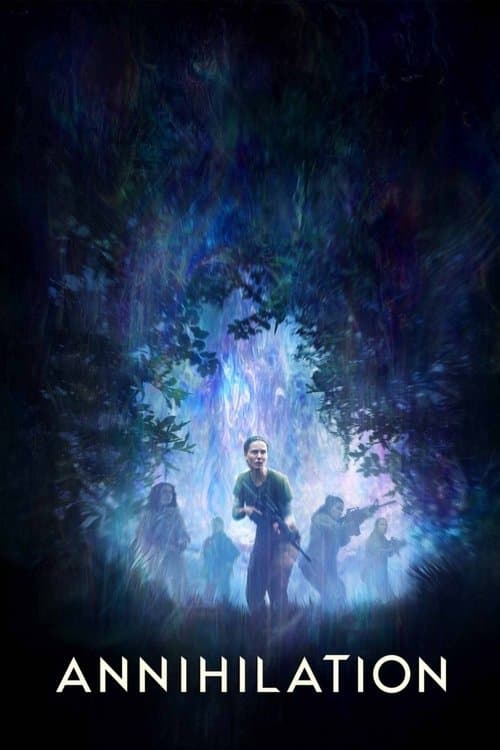
A biologist joins an expedition into the Shimmer — a mysterious quarantined zone where the laws of biology are rewriting themselves — to discover what happened to her husband. Alex Garland's film uses the conventions of science fiction horror to explore self-destruction, identity, and the unknowability of the self.
Annihilation
Alex Garland · 2018
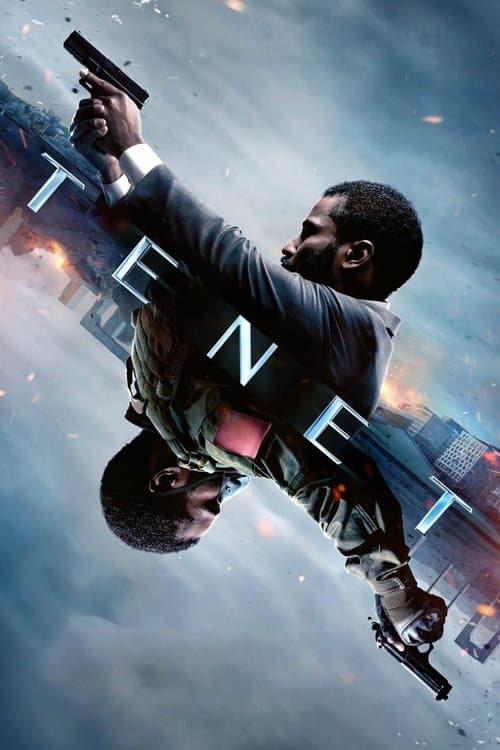
A CIA operative known only as the Protagonist discovers a technique for reversing the entropy of objects — and must prevent a future arms dealer from using it to run time backward and annihilate the present. Christopher Nolan's film is a James Bond plot run through a physics thought experiment.
Tenet
Christopher Nolan · 2020