Horror · Mystery

In the Mouth of Madness

John Carpenter, 1995

Insurance investigator John Trent is hired to find a missing horror novelist whose books are said to drive readers mad. His search leads to a town that exists only in the author's fiction. Worth watching for how Carpenter turns a book into a monster and a movie theater into a trap.

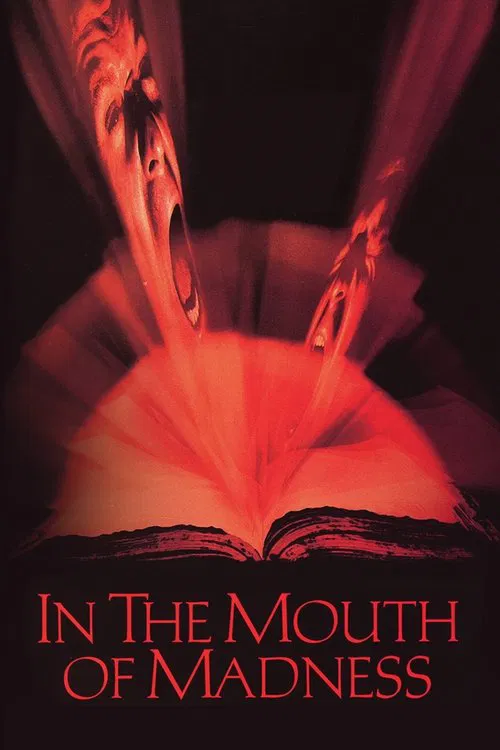
In the Mouth of Madness (1995) poster

At a glance

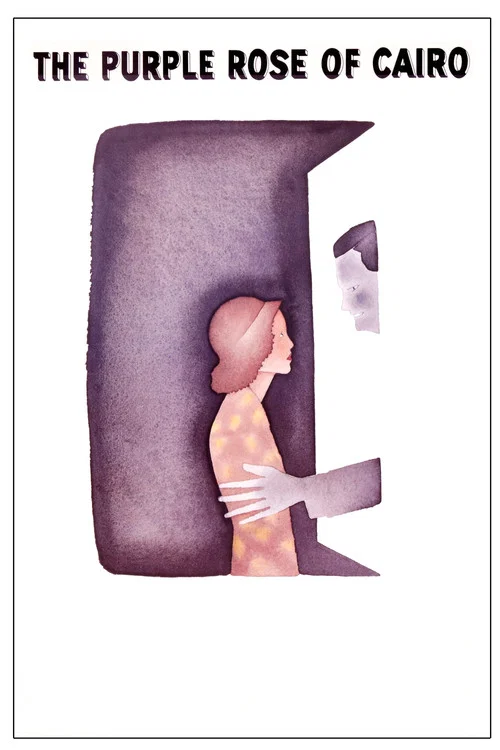
In the Mouth of Madness is a 1995 horror and mystery film directed by John Carpenter. This breakdown covers 4 techniques (2 narrative, 1 cinematography and 1 psychology), each with the scene where you can see it. If you like how it is made, The Purple Rose of Cairo uses several of the same techniques.

Narrative

Fiction Crossing Into Reality

Letting characters or stories cross the boundary between fiction and the real world inside the film. It plays with how much we rely on stories to cope with life.

How this film uses it

The town of Hobb's End from Cane's novels turns out to be real. The people and places appear exactly as written, and the story begins to write itself. The film asks what happens when enough people believe a story.

Where to see it

The arrival: John and Linda drive to Hobb's End, where landmarks and residents appear just as Cane wrote them.
Narrative

Frame Narrative as Trap

Wrapping the story inside another story that turns out to be a trap or a deception. The listener, or you as the viewer, gets locked into the teller's version before realizing what it is for.

How this film uses it

John tells his story from a padded room in an asylum. That frame looks like a way to explain the weirdness, but it ends up locking you into his account and then into the apocalypse. The last scenes make the telling feel like part of the horror.

Where to see it

The asylum: John is delivered to an insane asylum, restrained, and begins telling his story to a doctor. At the end, the asylum is deserted.

Cinematography

Film Within a Film

Showing a movie that the characters watch in a theater, as part of the story. The 2 films comment on each other, and the line between them can blur.

How this film uses it

The last scene has John wandering into a cinema to see a movie of his own story. He watches himself say the line about reality, and he breaks down in laughter. The film closes with the film that has taken him over.

Where to see it

The final scene: John enters a cinema and watches the film adaptation of In the Mouth of Madness replay his story. He bursts into hysterical laughter.

Psychology

Epistemic Horror

Making the fear come from being unable to know what is real. The character can't trust their own records, memories or senses, and that is scarier than any physical threat.

How this film uses it

John cannot tell what is real, and neither can you. Linda sees the same cyclist as a young man and an old man, the road vanishes and John keeps ending up back in the town center. Every attempt to escape confirms that the rules are not his.

Where to see it

The loop: while trying to escape Hobb's End, John keeps finding himself teleported back to the town center. He crashes his car in frustration and wakes in the church.

Questions

In the Mouth of Madness: quick answers

What filmmaking techniques does In the Mouth of Madness use?
CineCode breaks down 4 techniques in In the Mouth of Madness (1995): Fiction Crossing Into Reality, Frame Narrative as Trap, Film Within a Film and Epistemic Horror.
Who directed In the Mouth of Madness?
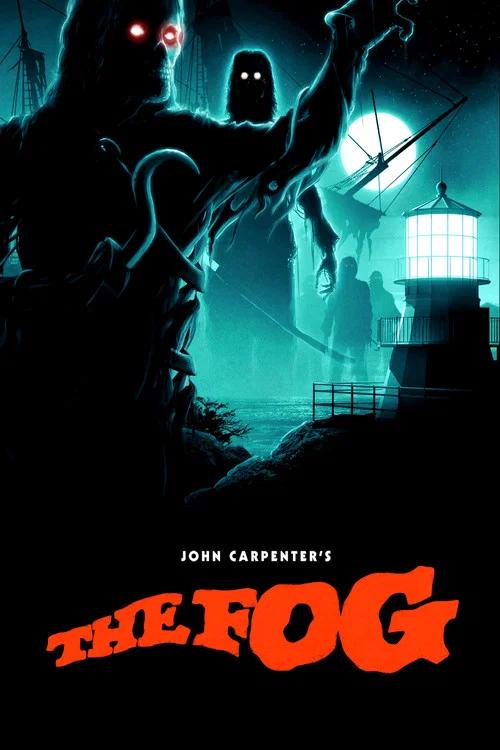
John Carpenter directed In the Mouth of Madness, released in 1995. CineCode also covers Halloween (1978), The Fog (1980), Escape from New York (1981), The Thing (1982), Christine (1983), Big Trouble in Little China (1986).
What films are similar to In the Mouth of Madness?
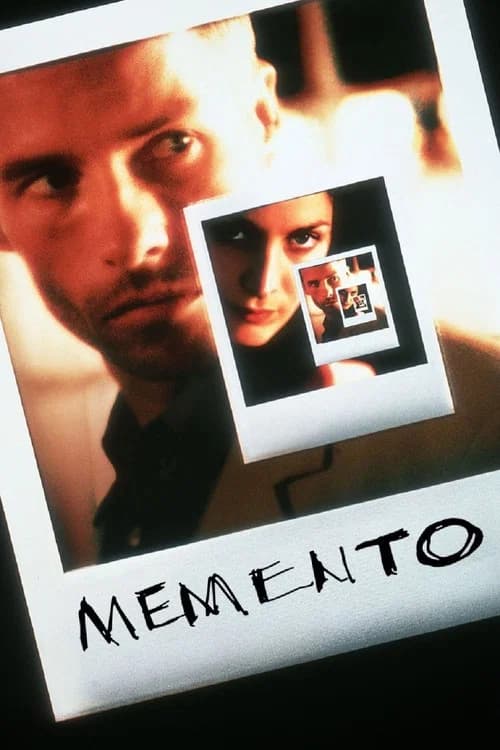
Films that share techniques with In the Mouth of Madness include The Purple Rose of Cairo (1985), The Man Who Killed Don Quixote (2018), Harakiri (1962), Memento (2000).