Cinematography technique · used in 2 films

Lighting Shift as Story Arc

Changing a film's lighting as the story turns, from warm polished light to harsh or heavy darkness. The look tracks a character's loss of control or despair.

Examples

2 films that use it

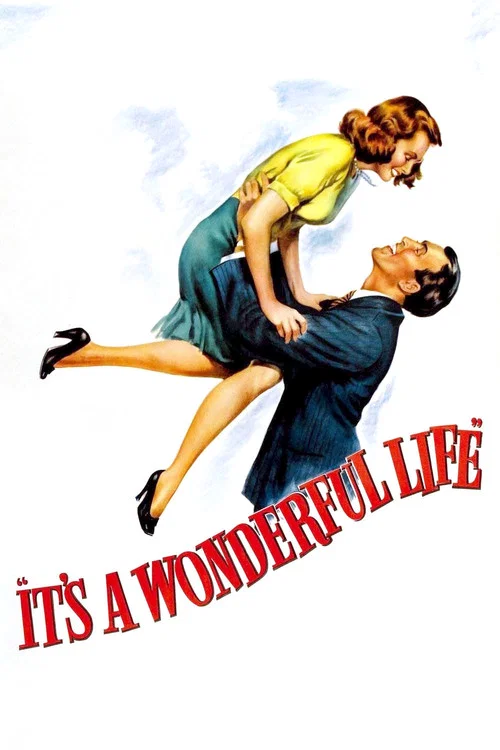
  1. It's a Wonderful Life (1946) poster

    It's a Wonderful Life

    Frank Capra · 1946

    The bridge sequence, with George thinking about suicide, is one of the darkest-looking scenes in the film. It was shot in the summer heat with artificial snow. Its cold look is the opposite of every warm interior the film has built. You feel the temperature drop, and it reads as George's moral and emotional state.

    Where to see it: George on the bridge in the snow. This is the film's visual and emotional low point before Clarence steps in.
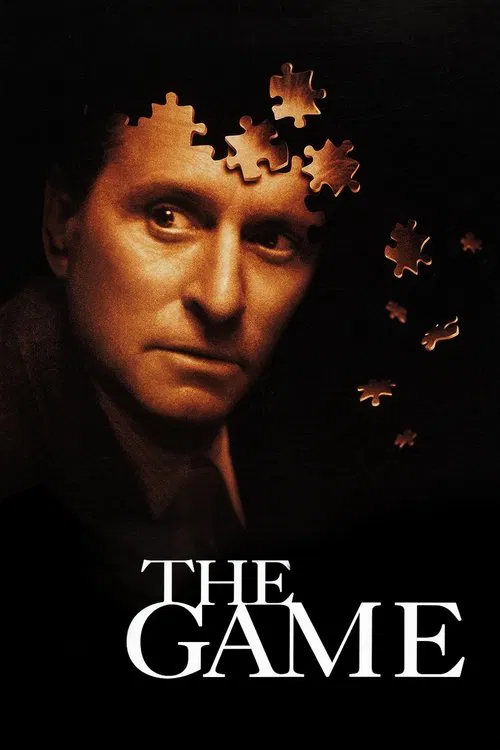
  2. The Game (1997) poster

    The Game

    David Fincher · 1997

    Fincher and cinematographer Harris Savides gave Nicholas's world a rich, smooth look. Once he leaves it, fluorescent and neon lights blow out the picture. His comfortable life visibly stops protecting him.

    Where to see it: The Mexico cemetery. Nicholas wakes up in a cemetery in Mexico after being drugged.

Questions

Quick answers

What is lighting shift as story arc in film?
Changing a film's lighting as the story turns, from warm polished light to harsh or heavy darkness. The look tracks a character's loss of control or despair.
Which films use lighting shift as story arc?
It's a Wonderful Life (1946), The Game (1997).
What kind of technique is lighting shift as story arc?
It is a cinematography technique. Related cinematography techniques include Small Town as Moral Geography, Real Locations as Character, Handheld Cinema Vérité.