Narrative technique · used in 6 films

Counterfactual Narrative

Building the story on a what-if, such as a version of history or of a life that went differently. Seeing the alternative shows you why the real version matters.

Examples

6 films that use it

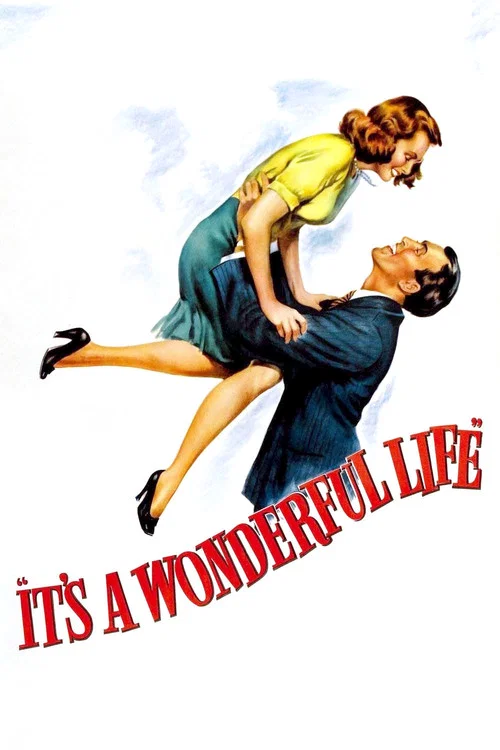
  1. It's a Wonderful Life (1946) poster

    It's a Wonderful Life

    Frank Capra · 1946

    For a short stretch near the end of the film, George Bailey experiences Bedford Falls as Pottersville, the town as it would be without his decades of sacrifice. Every Pottersville scene is a negative image of a scene you have already seen. Seeing what is missing ends up hitting harder than seeing it there did.

    Where to see it: George walking through Pottersville and finding that his mother doesn't know him. You see the loss because something else now stands where his life used to be.
  2. Back to the Future Part II (1989) poster

    Back to the Future Part II

    Robert Zemeckis · 1989

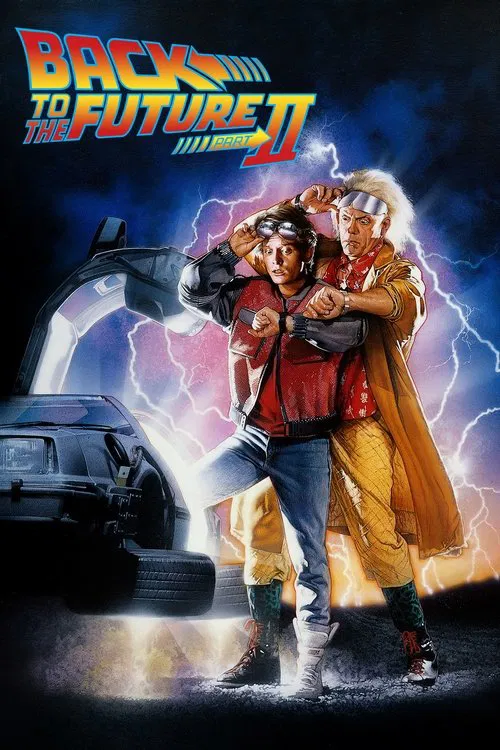
    Biff's use of the almanac creates a dark alternate 1985. George is dead, Lorraine is married to Biff, and Doc is in a mental hospital. Seeing that world makes you appreciate the real one.

    Where to see it: The alternate 1985: Marty returns to a Hill Valley run by a rich, corrupt Biff.

  3. Inglourious Basterds (2009) poster

    Inglourious Basterds

    Quentin Tarantino · 2009

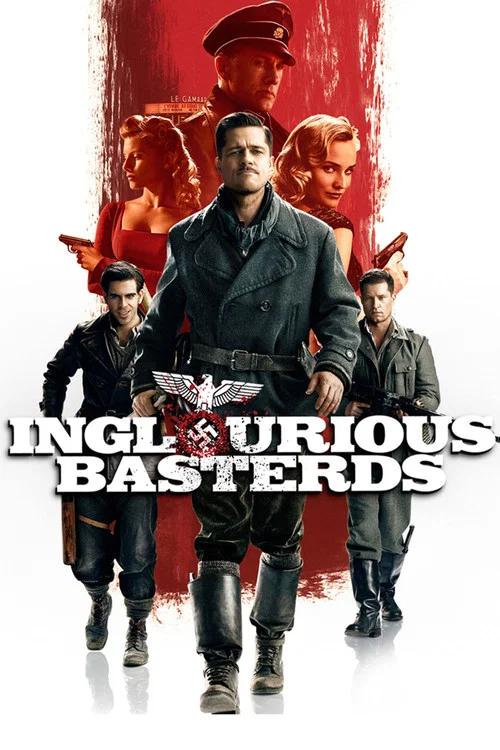
    Tarantino rewrites the end of World War II and kills Hitler and the Nazi high command in a Paris cinema. This is a counterfactual, a version of history that never happened, and he never presents it as fantasy. It hits you with the full force of a movie built for emotional release. You end up sharing in the pleasure of a history that did not happen.

    Where to see it: The cinema fire. Shosanna's revenge burns through the screen, and the film playing inside the film becomes the tool of the assassination.

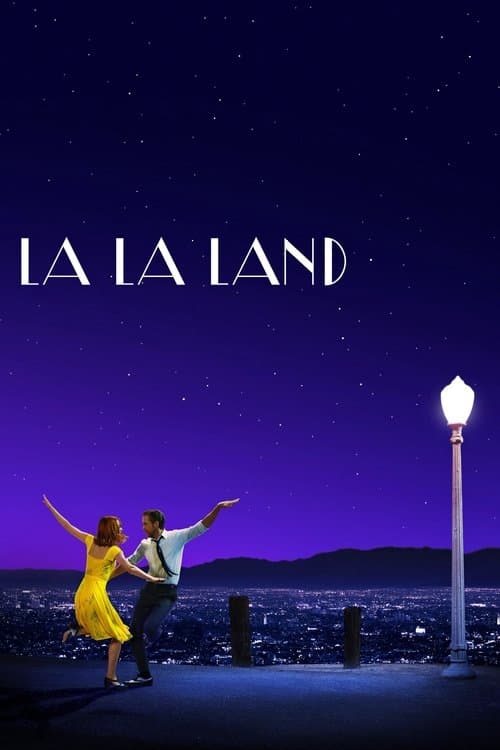
  4. La La Land (2016) poster

    La La Land

    Damien Chazelle · 2016

    The epilogue shows the life Sebastian and Mia might have had if they had chosen each other over their careers. The film presents this what-if as a fully imagined alternative. You get several minutes of a possible life. It makes the actual ending more devastating, because you see exactly what was lost.

    Where to see it: The epilogue fantasy sequence. The alternate life is shown in complete, loving detail. Because of that, the losses of the actual ending become specific.

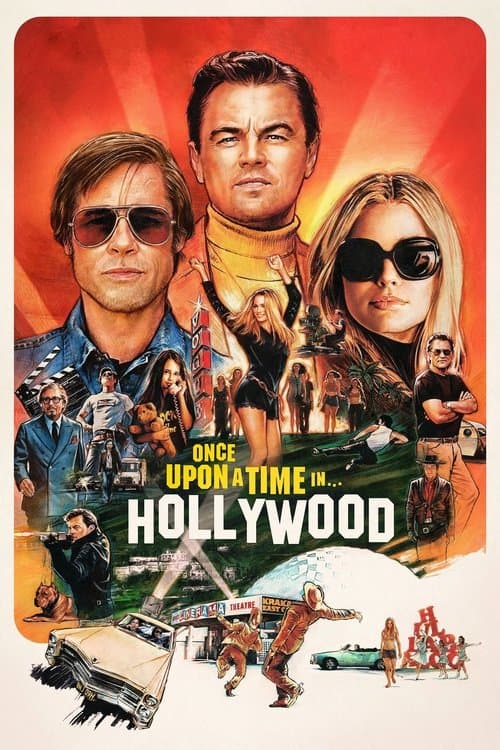
  5. Once Upon a Time in Hollywood (2019) poster

    Once Upon a Time in Hollywood

    Quentin Tarantino · 2019

    The entire final act rewrites the Tate murders into a version that never happened. Tarantino uses the movies' power to change history as a way of protecting Sharon Tate's memory.

    Where to see it: The Manson Family's arrival at Cielo Drive. Cliff turns it around on them in a darkly comic burst of violence.

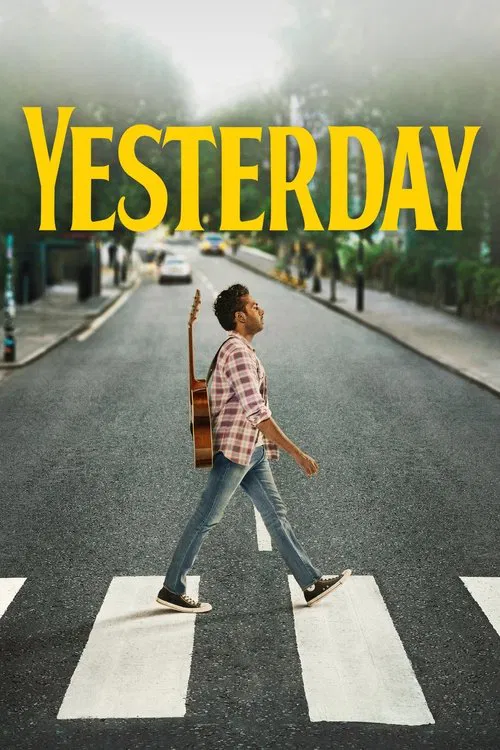
  6. Yesterday (2019) poster

    Yesterday

    Danny Boyle · 2019

    The what-if is simple: a world where the Beatles never existed. Jack searches online and finds nothing, and his record collection has no trace of them. The film keeps asking what a song is worth when nobody remembers where it came from.

    Where to see it: The search. Jack looks for the Beatles online, finds no trace and realizes he is in a world where the band never existed.

Questions

Quick answers

What is counterfactual narrative in film?
Building the story on a what-if, such as a version of history or of a life that went differently. Seeing the alternative shows you why the real version matters.
Which films use counterfactual narrative?
It's a Wonderful Life (1946), Back to the Future Part II (1989), Inglourious Basterds (2009), La La Land (2016), Once Upon a Time in Hollywood (2019), Yesterday (2019).
What kind of technique is counterfactual narrative?
It is a narrative technique. Related narrative techniques include Sentimental Realism, Chekhov's Gun.