Thriller · Mystery · Drama

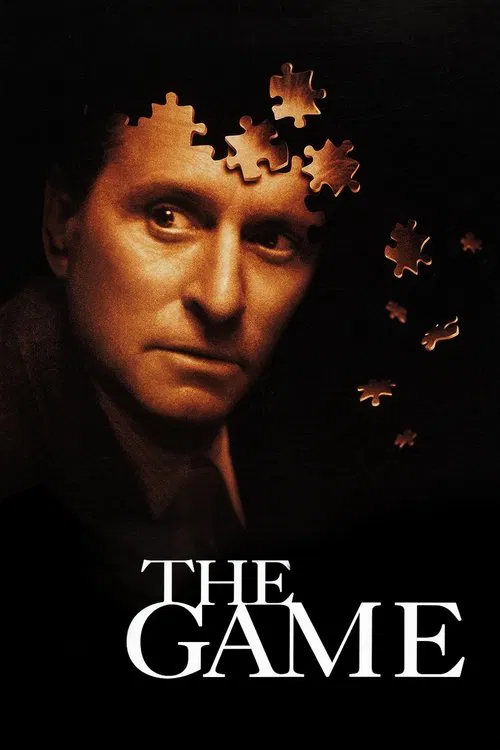
The Game

David Fincher, 1997

A rich, controlling San Francisco banker gets a strange birthday gift from his brother: entry into a game. Soon his money, home and sanity start to disappear, and he cannot tell what is staged. Fincher builds a thriller where you doubt every scene, and the lighting falls apart with the hero.

The Game (1997) poster

At a glance

The Game is a 1997 thriller, mystery and drama film directed by David Fincher. This breakdown covers 4 techniques (1 psychology, 2 narrative and 1 cinematography), each with the scene where you can see it. If you like how it is made, A Beautiful Mind uses several of the same techniques.

Psychology

Unreliable Reality

Keeping it unclear what is real and what is imagined in the film's world. You end up as unsure as the main character.

How this film uses it

Strange things pile up: a wooden clown in the driveway, a news anchor who says he is being watched and a waitress who seems placed near him. Nicholas, and you, cannot tell which events belong to the game and which are real. Even his brother's fear could be an act.

Where to see it

The news anchor. Nicholas watches TV and the anchor tells him he is being watched.
Narrative

Retroactive Reframing Revelation

Saving a reveal for the climax that changes the meaning of every scene before it. You have to rebuild the whole film in your head with the new knowledge.

How this film uses it

Only in the last minutes do you learn the whole ordeal was a staged birthday gift. The seized house, the psychiatric ward and the taxi in the bay all become parts of a production. Critics were split on this ending, and Fincher later said the team did not figure out the third act.

Where to see it

The rooftop. Nicholas takes Christine hostage on a roof, shoots Conrad when the door opens and then jumps, landing on an air cushion in a banquet hall full of people celebrating his birthday.

Cinematography

Lighting Shift as Story Arc

Changing a film's lighting as the story turns, from warm polished light to harsh or heavy darkness. The look tracks a character's loss of control or despair.

How this film uses it

Fincher and cinematographer Harris Savides gave Nicholas's world a rich, smooth look. Once he leaves it, fluorescent and neon lights blow out the picture. His comfortable life visibly stops protecting him.

Where to see it

The Mexico cemetery. Nicholas wakes up in a cemetery in Mexico after being drugged.

Narrative

Loss of Control Arc

Taking power away from a controlling character step by step until they must trust someone else. The change comes from what the hero loses.

How this film uses it

Nicholas starts the film as a man who runs everything. As the story goes on, his finances and home are seized and he has to rely on strangers. Fincher has said the film is about loss of control.

Where to see it

The seizure. After he wakes in Mexico, Nicholas finds his money and home taken and learns Conrad has been committed to a psychiatric hospital.

Questions

The Game: quick answers

What filmmaking techniques does The Game use?
CineCode breaks down 4 techniques in The Game (1997): Unreliable Reality, Retroactive Reframing Revelation, Lighting Shift as Story Arc and Loss of Control Arc.
Who directed The Game?
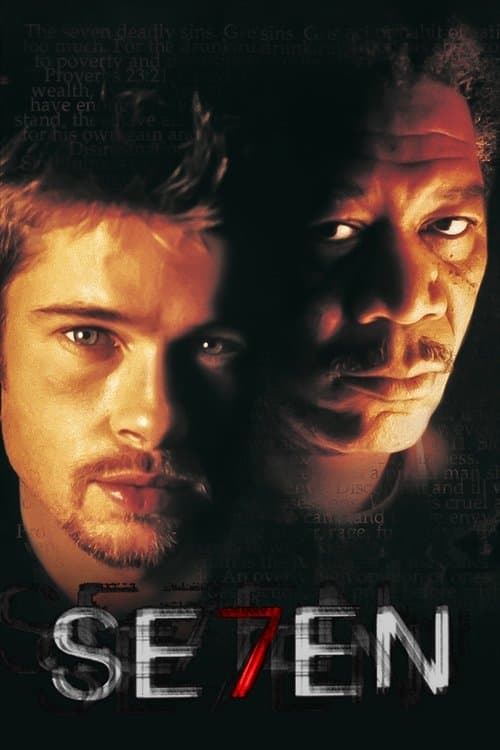
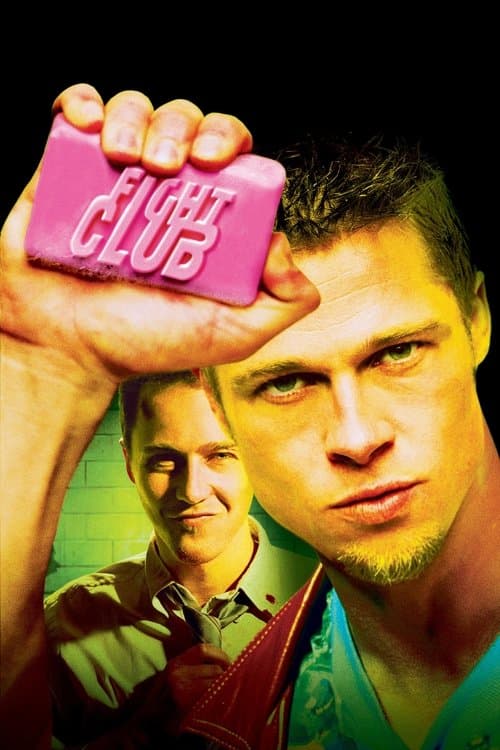
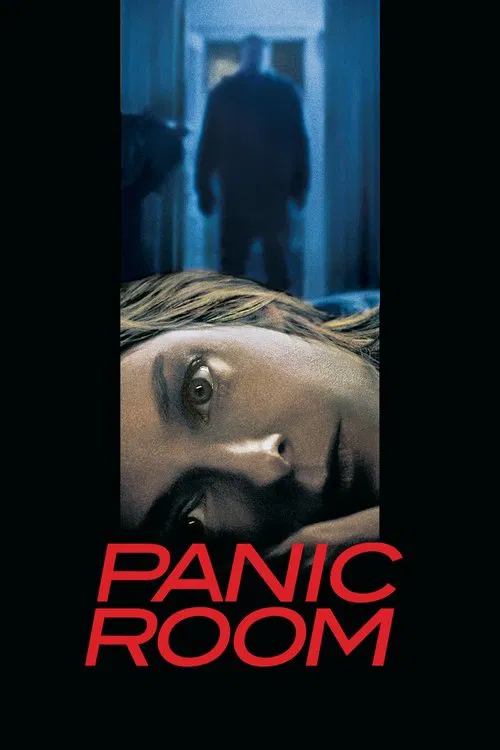
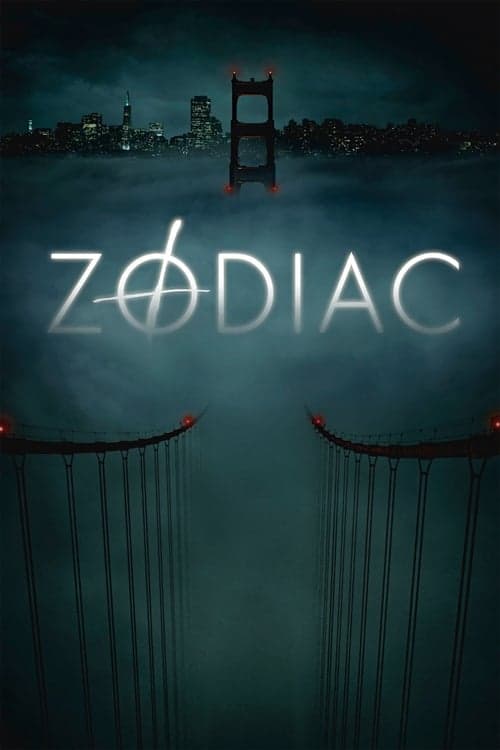
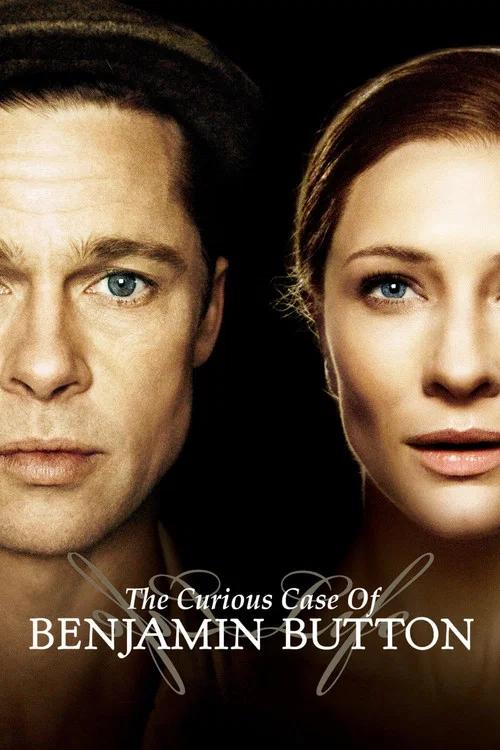
David Fincher directed The Game, released in 1997. CineCode also covers Alien³ (1992), Se7en (1995), Fight Club (1999), Panic Room (2002), Zodiac (2007), The Curious Case of Benjamin Button (2008).
What films are similar to The Game?
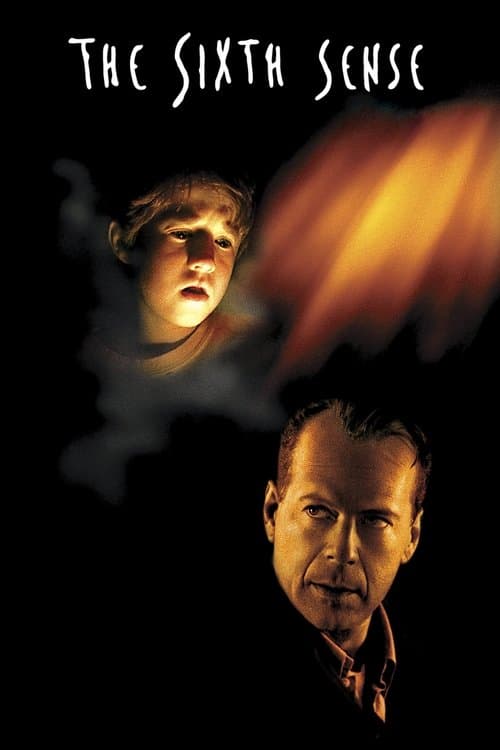
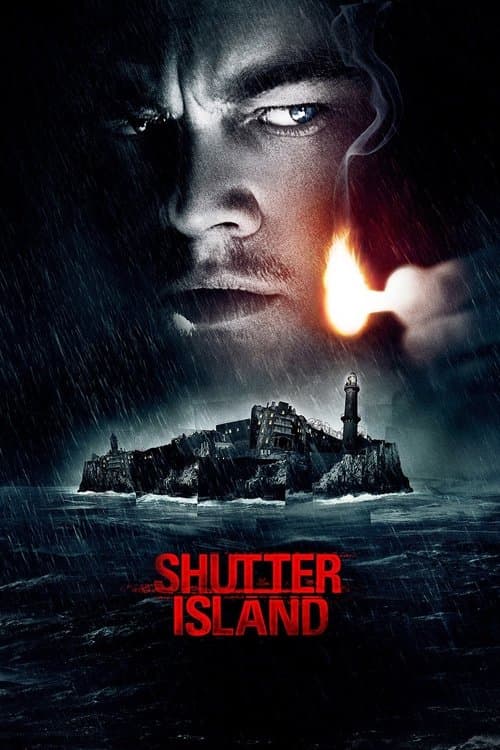
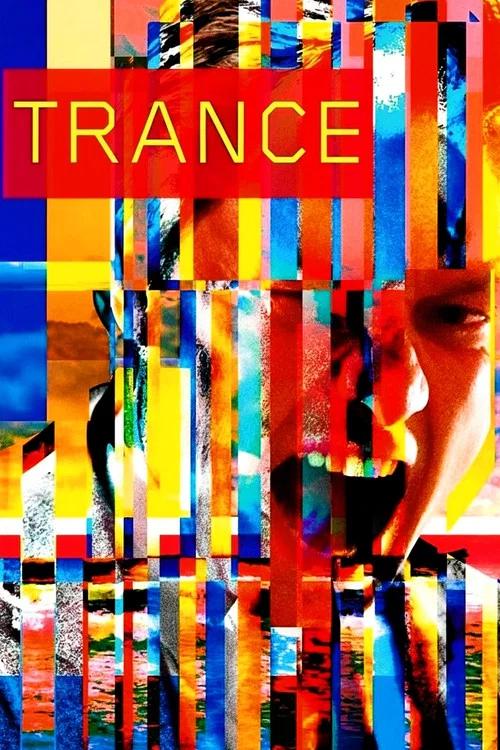
Films that share techniques with The Game include A Beautiful Mind (2001), The Sixth Sense (1999), Shutter Island (2010), Trance (2013).