Cinematography technique · used in 4 films

Neorealist Location Grammar

Filming entirely on location in a real city with non-professional actors. The city's texture and its people work as a social document and become part of what the film is saying.

Examples

4 films that use it

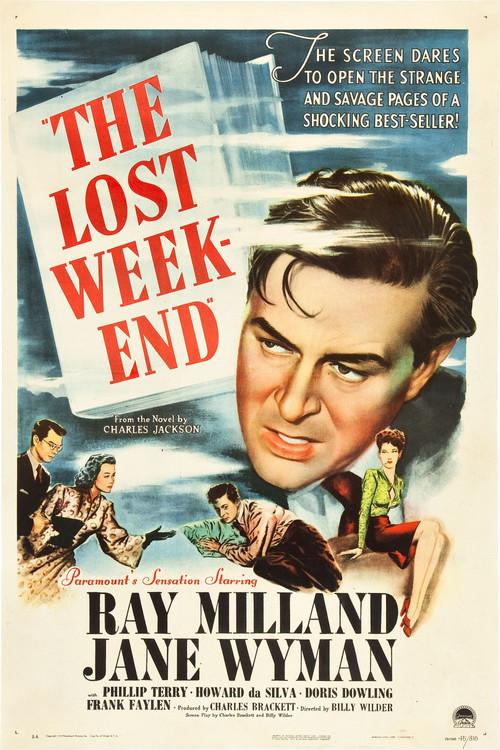
  1. The Lost Weekend (1945) poster

    The Lost Weekend

    Billy Wilder · 1945

    Wilder took a small crew to New York and put cameras behind boxes and in the backs of trucks, filming Ray Milland on Third Avenue among real pedestrians. Back in California, they rebuilt other locations on sets. The mix gives Don's search a rough, true-to-life feel.

    Where to see it: Third Avenue walk: Don carries his typewriter down the street, looking for an open pawnshop, but all of them are closed for Yom Kippur.

  2. Bicycle Thieves (1948) poster

    Bicycle Thieves

    Vittorio De Sica · 1948

    De Sica filmed on the streets of postwar Rome with a cast made up largely of non-professionals. The crowds, the markets and the tenements are real places, and they work as evidence of how people lived. You can't separate what the film says about postwar poverty from the physical reality it records. The city is both a character and a court.

    Where to see it: The market search sequence. Antonio and Bruno search the real Piazza Vittorio and Porta Portese markets, where stolen goods often surface. You see how big the economy of bicycle theft is.

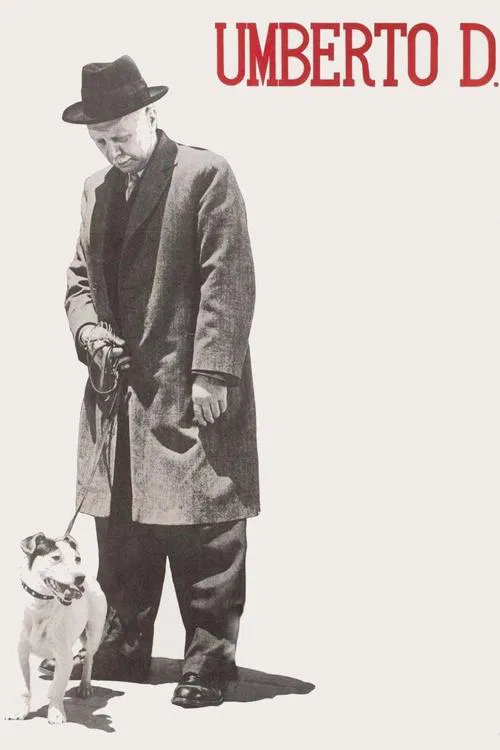
  3. Umberto D. (1952) poster

    Umberto D.

    Vittorio De Sica · 1952

    The film was shot in Rome with mostly non-professional actors, and Carlo Battisti, who plays Umberto, was one of them. The streets look like real life. The city becomes part of the story.

    Where to see it: Pension march: Police break up a demonstration by elderly men demanding higher pensions. Umberto is among the marchers.

  4. Killer's Kiss (1955) poster

    Killer's Kiss

    Stanley Kubrick · 1955

    Kubrick shot in the old Penn Station, Times Square, the Brooklyn waterfront and the run-down streets of what was then called Hell's Hundred Acres. New York looks lived in and a bit dangerous, and that texture is part of the story.

    Where to see it: The Penn Station scenes. The film is framed by scenes in the real station, which was later torn down, so you get a record of the place.

Questions

Quick answers

What is neorealist location grammar in film?
Filming entirely on location in a real city with non-professional actors. The city's texture and its people work as a social document and become part of what the film is saying.
Which films use neorealist location grammar?
The Lost Weekend (1945), Bicycle Thieves (1948), Umberto D. (1952), Killer's Kiss (1955).
What kind of technique is neorealist location grammar?
It is a cinematography technique. Related cinematography techniques include Subjective Camera, Urban Crowd Indifference.