Crime · Drama · Film Noir

Killer's Kiss

Stanley Kubrick, 1955

A washed-up boxer and a taxi dancer who live across from each other fall for each other. When her violent boss goes after them, they run through New York. Kubrick directed, shot and edited it himself, so it is a good look at how he saw things before he had a crew.

Killer's Kiss (1955) poster

At a glance

Killer's Kiss is a 1955 crime, drama and film noir film directed by Stanley Kubrick. This breakdown covers 5 techniques (3 cinematography, 1 narrative and 1 sound), each with the scene where you can see it. If you like how it is made, Following uses several of the same techniques.

Cinematography

Voyeuristic Implication

Placing the camera like a hidden watcher, looking through peepholes, around corners and from concealed spots. You become part of the spying, which makes watching feel morally uneasy.

How this film uses it

Davey and Gloria live in the same building and watch each other through facing windows before they ever really talk. You share their looking, and it makes the relationship feel half secret.

Where to see it

The apartment windows. The two neighbors watch each other across a gap between their windows, which sets up the love story.

Cinematography

Neorealist Location Grammar

Filming entirely on location in a real city with non-professional actors. The city's texture and its people work as a social document and become part of what the film is saying.

How this film uses it

Kubrick shot in the old Penn Station, Times Square, the Brooklyn waterfront and the run-down streets of what was then called Hell's Hundred Acres. New York looks lived in and a bit dangerous, and that texture is part of the story.

Where to see it

The Penn Station scenes. The film is framed by scenes in the real station, which was later torn down, so you get a record of the place.

Cinematography

Handheld Cinema Vérité

Shooting with a handheld camera so the frame shakes and moves with the action. This documentary-style look, called cinema vérité, puts you uncomfortably close to the character.

How this film uses it

Kubrick had no filming permit for some street scenes, so he shot them with a handheld camera from the back of a moving pickup truck. The shaky, rough frames put you in the street with Davey as he runs.

Where to see it

The street scenes. The camera moves with the action in a way the polished studio scenes do not.

Narrative

Told-Tale Frame

Wrapping the story in a scene where someone recounts it, such as a survivor, a storyteller or a passenger, so the telling shapes its tone and ending.

How this film uses it

The story is framed at Penn Station, where Davey waits for his train and remembers what happened. The station keeps you aware that this is a memory, and it sets up the ending with Gloria.

Where to see it

The station scene at the end. Davey waits for his train, recalls the events, and then Gloria arrives and they embrace.

Sound

Post-Dubbed Sound

Recording the dialogue and sound effects after the picture is shot, instead of capturing them on location. The filmmaker controls every sound, but the voices can feel slightly detached from the bodies.

How this film uses it

Kubrick started with location sound, but the microphone got in the way of his lighting. He let his sound man go and added all the dialogue and sound afterward. The voices sit slightly apart from the faces, which adds to the dreamlike mood.

Where to see it

The mannequin warehouse fight. The sounds of the struggle were all added after filming.

Questions

Killer's Kiss: quick answers

What filmmaking techniques does Killer's Kiss use?
CineCode breaks down 5 techniques in Killer's Kiss (1955): Voyeuristic Implication, Neorealist Location Grammar, Handheld Cinema Vérité, Told-Tale Frame and Post-Dubbed Sound.
Who directed Killer's Kiss?
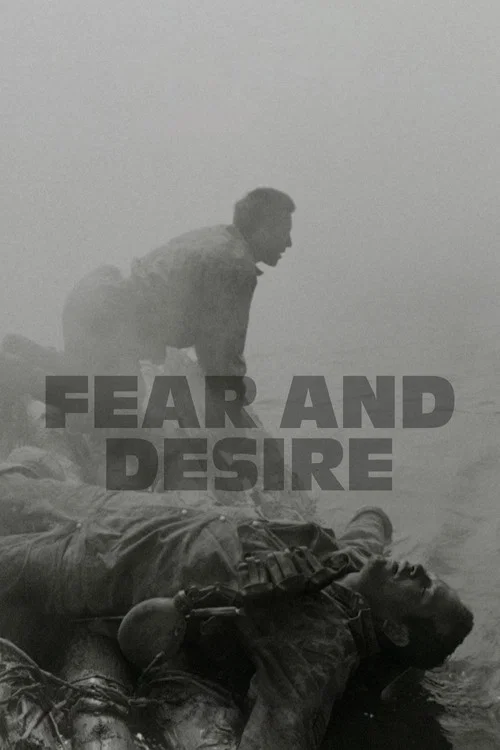
Stanley Kubrick directed Killer's Kiss, released in 1955. CineCode also covers Fear and Desire (1953), The Killing (1956), Paths of Glory (1957), Spartacus (1960), Lolita (1962), Dr. Strangelove (1964).
What films are similar to Killer's Kiss?
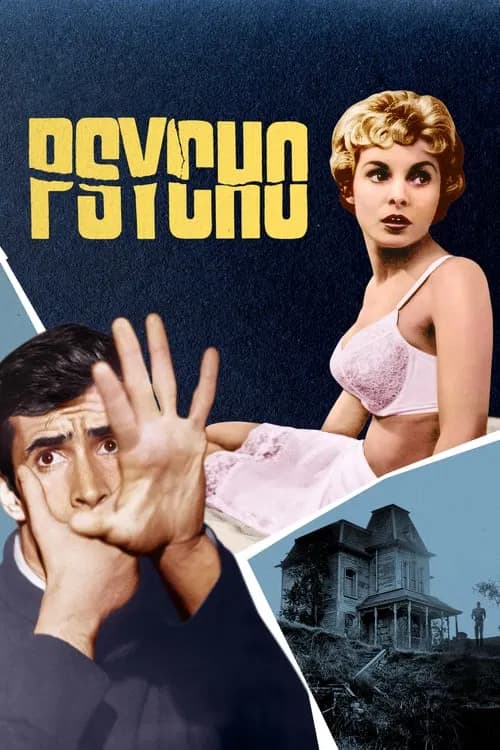
Films that share techniques with Killer's Kiss include Following (1998), Black Swan (2010), Schindler's List (1993), Psycho (1960).