Narrative technique · used in 11 films

Money as Plot Driver

Making money or one necessary possession the force that moves the plot, so every choice is shaped by what characters can afford or keep.

Examples

11 films that use it

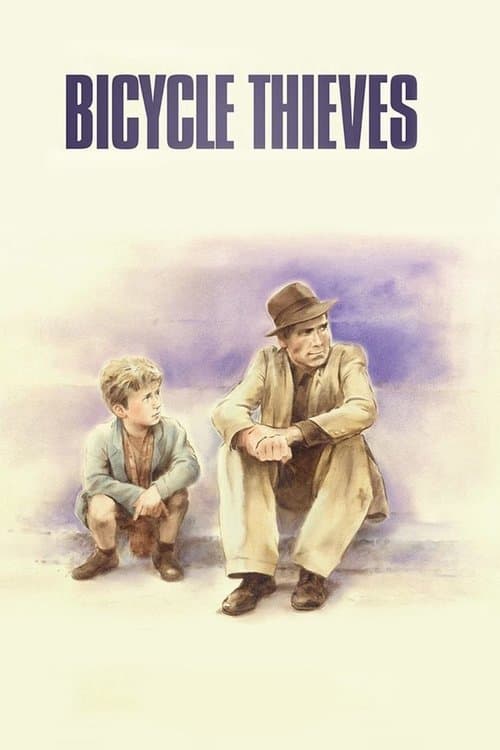
  1. Bicycle Thieves (1948) poster

    Bicycle Thieves

    Vittorio De Sica · 1948

    The bicycle means a job, which means food, which means shelter. When it's stolen, Antonio loses his living. De Sica sets this up carefully. You see the sheets pawned to get the bicycle back, the bicycle coming out of the pawnshop and the job that requires it. You know exactly what the bicycle is worth to the family before it's lost.

    Where to see it: The pawn shop scene. The sheets go in and the bicycle comes out. The trade shows you plainly how much the family's survival rests on it.
  2. Umberto D. (1952) poster

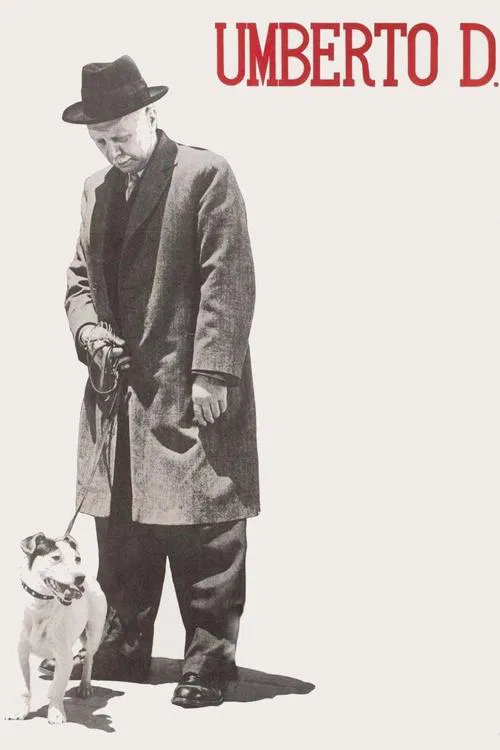
    Umberto D.

    Vittorio De Sica · 1952

    The landlady wants her overdue rent by the end of the month. Umberto sells his belongings but raises only a third of it. Every choice he makes from then on is shaped by what he can afford.

    Where to see it: Rent due: Umberto sells his belongings but raises only a third of the rent, and the landlady refuses partial payment.

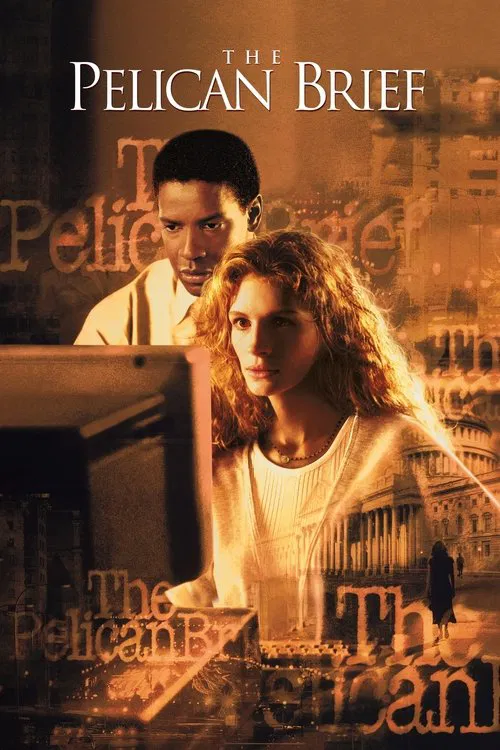
  3. The Pelican Brief (1993) poster

    The Pelican Brief

    Alan J. Pakula · 1993

    The motive is oil money. A tycoon wants drilling rights in a Louisiana marshland that is a pelican habitat, and he is willing to influence the Supreme Court to get it. The crime is a business decision, which is part of the chill.

    Where to see it: The theory. Darby's brief says the tycoon had two justices killed to protect drilling rights in a protected marsh.

  4. Three Colors: White (1994) poster

    Three Colors: White

    Krzysztof Kieślowski · 1994

    Karol's rise runs on cash and paperwork. He overhears a land scheme, buys the land first and then arranges his own will so that everything goes to Dominique. Each move works because of what he owns, so you follow the plot by following the money.

    Where to see it: The land deal: Karol learns that his bosses plan to buy land that big companies will want. He buys it first and tells them that if he dies, all his property goes to the church.

  5. Sense and Sensibility (1995) poster

    Sense and Sensibility

    Ang Lee · 1995

    The story starts with an inheritance. When Henry Dashwood dies, his house goes to his son John and his wife Fanny, who move into the family home. Money shapes where the sisters can live and who can marry whom.

    Where to see it: The inheritance. Mr. Dashwood dies, John and Fanny move into Norland Park, and the Dashwood women are left with 500 pounds a year.

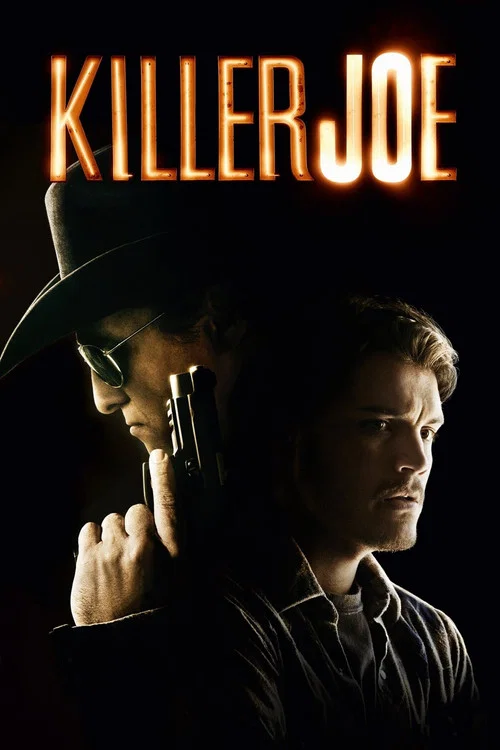
  6. Killer Joe (2012) poster

    Killer Joe

    William Friedkin · 2012

    Every choice in this family comes down to cash. Chris owes $6,000, the policy is worth $50,000, and Joe wants $25,000 up front. Because nobody has it, the plan keeps bending toward worse and worse deals.

    Where to see it: Joe asking for his $25,000 advance. When the family can't pay, he proposes taking Dottie as a retainer until the insurance money arrives.

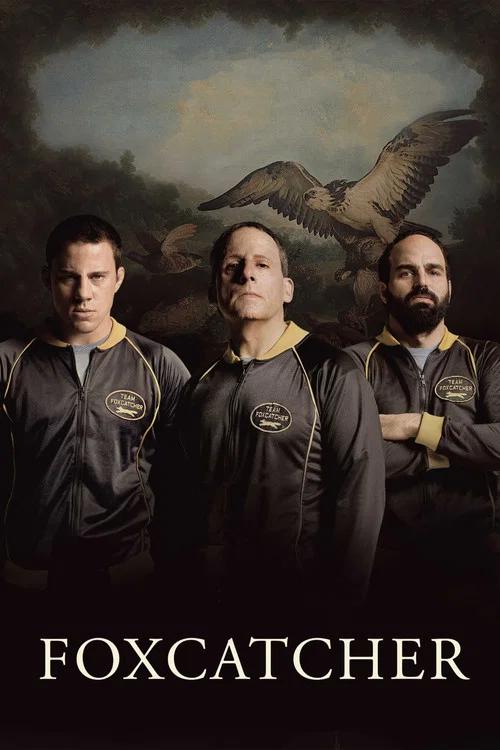
  7. Foxcatcher (2014) poster

    Foxcatcher

    Bennett Miller · 2014

    Du Pont's wealth sets the plot in motion and shapes every relationship. He pays for the team, and money is also what keeps Mark supported after he leaves, because Dave makes it a condition of staying.

    Where to see it: Foxcatcher's offer: Du Pont funds the team on his estate, and later agrees to keep supporting Mark financially after Mark leaves, as a condition Dave sets for staying.

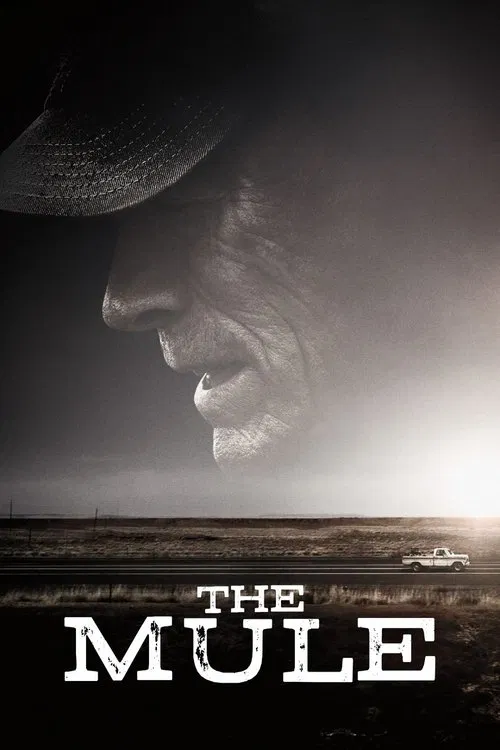
  8. The Mule (2018) poster

    The Mule

    Clint Eastwood · 2018

    Earl first takes the job because he has lost everything. The money lets him buy back his house, fix up the VFW post and pay for his granddaughter's wedding. Every choice he makes is tied to what he can afford.

    Where to see it: Paying it forward: Earl buys a new truck and pays to repair the VFW post that burned. He also pays for Ginny's wedding and tuition.

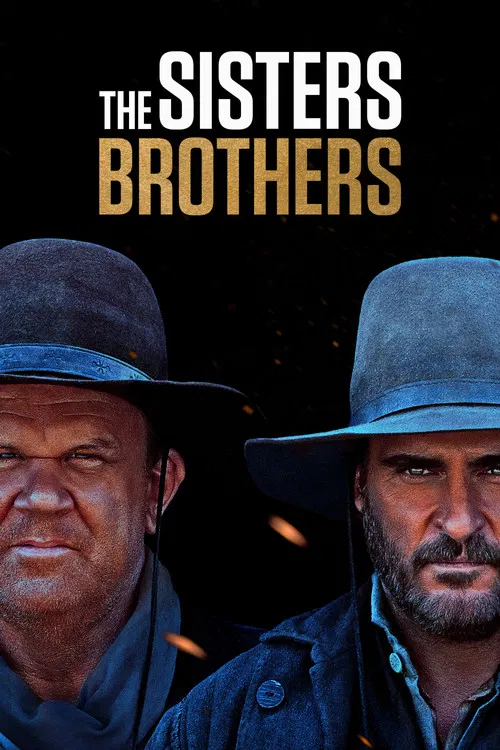
  9. The Sisters Brothers (2018) poster

    The Sisters Brothers

    Jacques Audiard · 2018

    Gold sets every scene in motion. The Commodore wants the formula, Warm wants to use it, and the detective changes sides because of it. The characters make their choices around what they can get and what they can keep.

    Where to see it: The river test. The four men dam a river and test the formula, which makes gold ore glow briefly but is extremely caustic.

  10. Everybody Knows (2018) poster

    Everybody Knows

    Asghar Farhadi · 2018

    The ransom sets a clock and a price. The family must find 300,000 euros, and in doing so they have to decide who is willing to pay and what they are owed. The money exposes the relationships beneath the surface.

    Where to see it: The ransom. Paco brings the ransom money, and Irene is returned only after the money disappears.

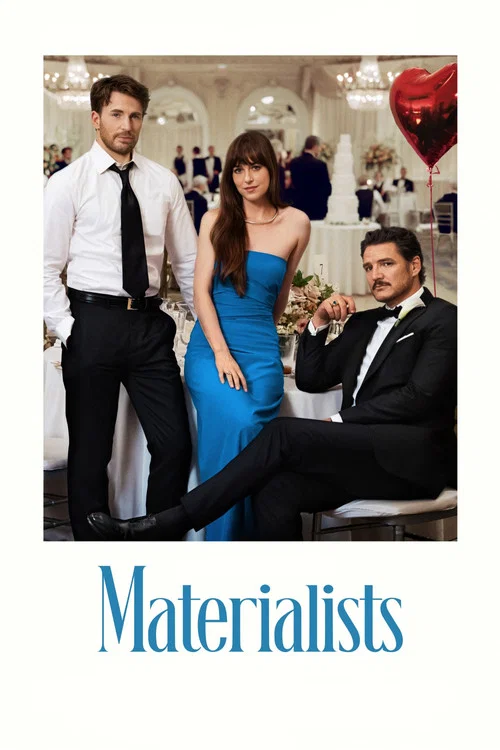
  11. Materialists (2025) poster

    Materialists

    Celine Song · 2025

    Every choice is shaped by what the characters can afford. Lucy and John split once because they could not make ends meet. Harry is wealthy enough to pay for expensive surgery to look taller, and Lucy's work is about matching people by their finances.

    Where to see it: The gatecrashed wedding. Lucy kisses John, but their old money troubles still divide them.

Questions

Quick answers

What is money as plot driver in film?
Making money or one necessary possession the force that moves the plot, so every choice is shaped by what characters can afford or keep.
Which films use money as plot driver?
Bicycle Thieves (1948), Umberto D. (1952), The Pelican Brief (1993), Three Colors: White (1994), Sense and Sensibility (1995), Killer Joe (2012) and 5 more films in the CineCode library.
What kind of technique is money as plot driver?
It is a narrative technique. Related narrative techniques include Observational Restraint, Romantic Triangle Geometry, Circular Structure.