Drama · Film Noir

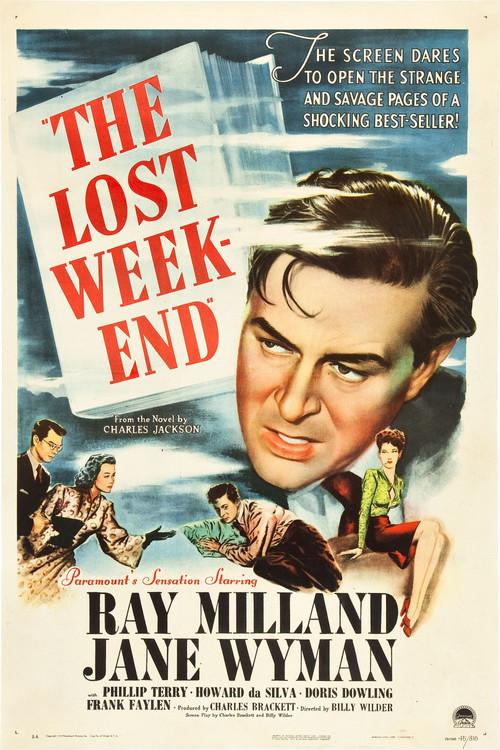
The Lost Weekend

Billy Wilder, 1945

Over one long weekend in New York, writer Don Birnam lies, steals and hides bottles to keep drinking while his brother and his girlfriend try to save him. Watch how Billy Wilder films the city with hidden cameras and lets us see Don's hallucinations the way he does.

The Lost Weekend (1945) poster

At a glance

The Lost Weekend is a 1945 drama and film noir film directed by Billy Wilder. This breakdown covers 4 techniques (1 psychology, 2 cinematography and 1 sound), each with the scene where you can see it. If you like how it is made, Challengers uses several of the same techniques.

Psychology

Psychological Doubling

Pairing the main character with a second character who mirrors them. The double shows what the hero wants, fears or secretly is.

How this film uses it

Don splits himself in two, the writer who fears failure and the drunk who needs rescuing. Helen's job is to make him accept that they are the same man. The idea gives the film its ending.

Where to see it

Don's confession: Don tells Helen he is 2 people, Don the writer and Don the drunk who has to be bailed out by Wick. At the end, Helen persuades him they are the same person.

Cinematography

Subjective Camera

Placing the camera where a character's eyes are, or shooting the scene the way that character experiences it. You see and feel things from inside their head.

How this film uses it

The film shows you the horror as Don experiences it, and plays the hallucination straight. You share his fear because the nightmare looks as solid to you as it does to him.

Where to see it

Delirium tremens: Alone in his apartment, Don hallucinates a bat flying in through the window and killing a mouse, spilling its blood. His screams alert the landlady.

Cinematography

Neorealist Location Grammar

Filming entirely on location in a real city with non-professional actors. The city's texture and its people work as a social document and become part of what the film is saying.

How this film uses it

Wilder took a small crew to New York and put cameras behind boxes and in the backs of trucks, filming Ray Milland on Third Avenue among real pedestrians. Back in California, they rebuilt other locations on sets. The mix gives Don's search a rough, true-to-life feel.

Where to see it

Third Avenue walk: Don carries his typewriter down the street, looking for an open pawnshop, but all of them are closed for Yom Kippur.

Sound

Electronic Score

Scoring with synthesizers, club beats or electronic instruments. The texture can suggest a period, a mood or a character's inner state.

How this film uses it

Miklos Rozsa's score was among the first to feature the theremin to create the pathos of alcoholism. At an early preview, the film carried a temporary upbeat jazz track, and the audience laughed at Milland's performance. With the real score and a reshot ending, reactions turned favorable.

Where to see it

Hidden bottle: Packing for the weekend, Don dangles a bottle outside the window to sneak it into his suitcase. Wick finds it and pours it down the drain.

Questions

The Lost Weekend: quick answers

What filmmaking techniques does The Lost Weekend use?
CineCode breaks down 4 techniques in The Lost Weekend (1945): Psychological Doubling, Subjective Camera, Neorealist Location Grammar and Electronic Score.
Who directed The Lost Weekend?
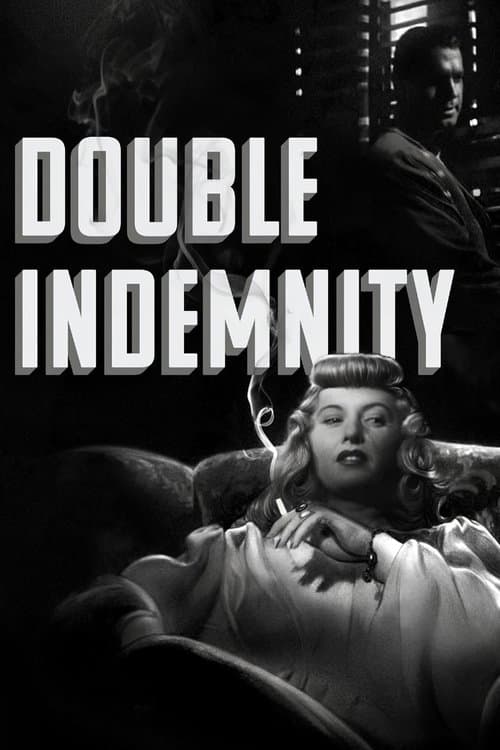
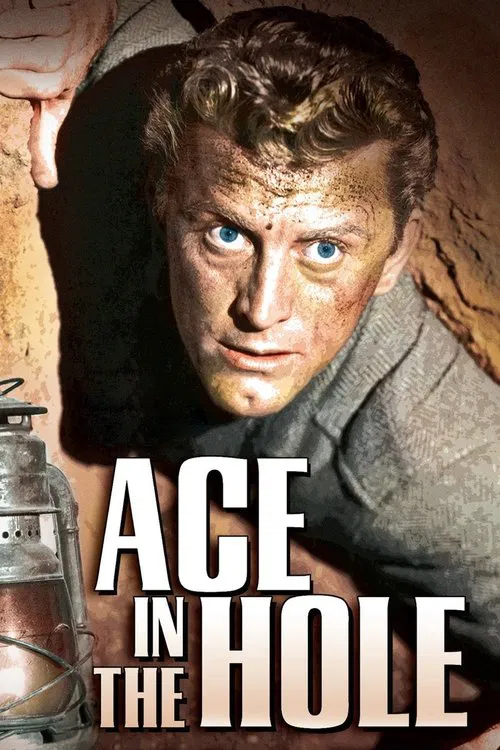
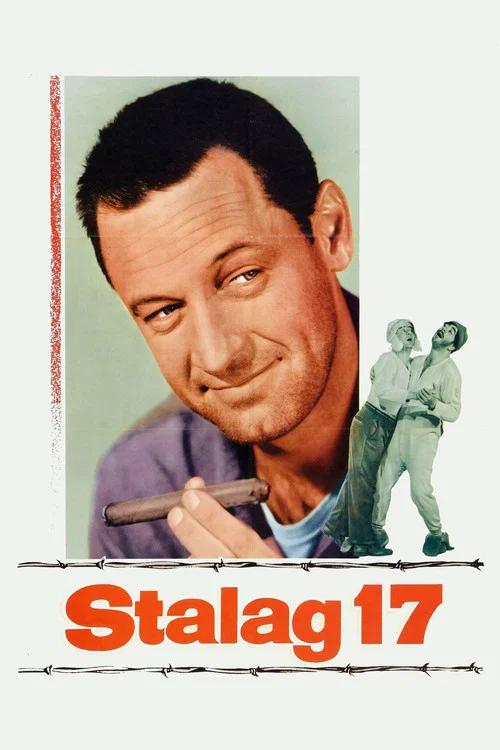
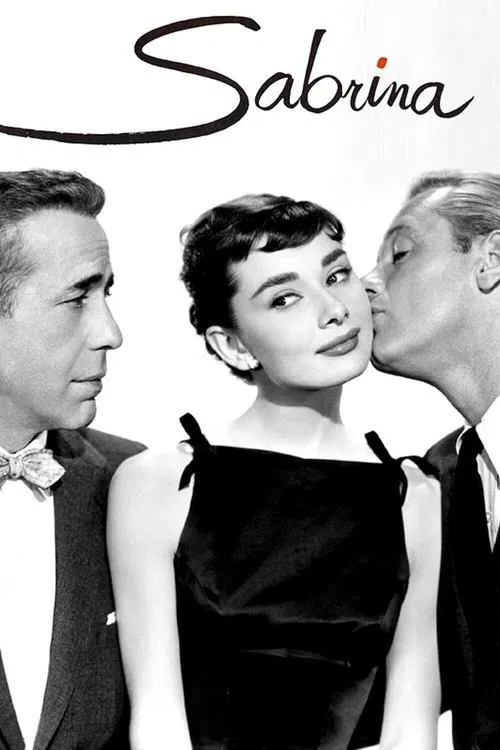
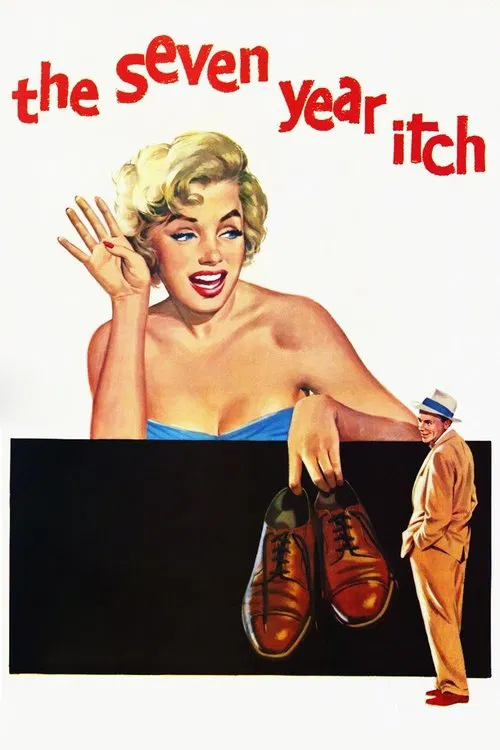
Billy Wilder directed The Lost Weekend, released in 1945. CineCode also covers Double Indemnity (1944), Sunset Boulevard (1950), Ace in the Hole (1951), Stalag 17 (1953), Sabrina (1954), The Seven Year Itch (1955).
What films are similar to The Lost Weekend?
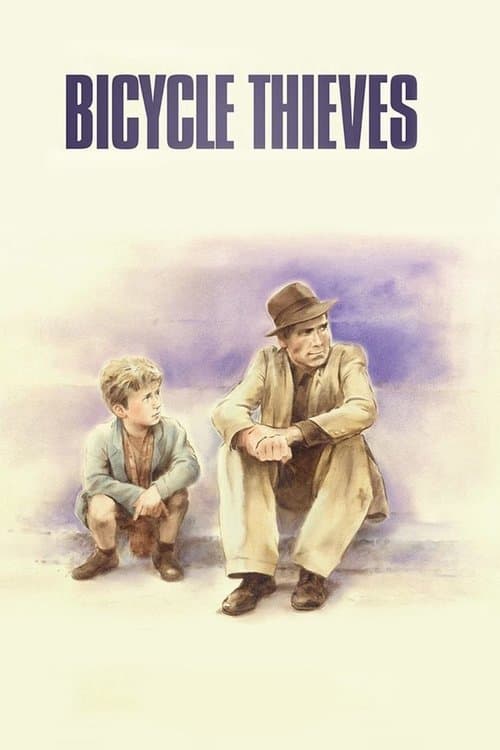
Films that share techniques with The Lost Weekend include Challengers (2024), Eternal Sunshine of the Spotless Mind (2004), Black Swan (2010), Bicycle Thieves (1948).