Sound technique · used in 2 films

Tension Motif Score

Scoring with persistent patterns, such as insistent percussion or circling phrases that never resolve. The music keeps tension high even in quiet moments.

Examples

2 films that use it

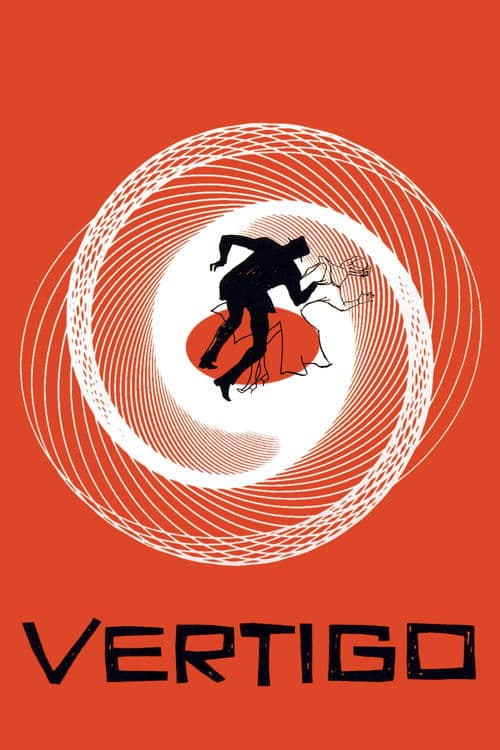
  1. Vertigo (1958) poster

    Vertigo

    Alfred Hitchcock · 1958

    Bernard Herrmann's score borrows Wagner's chromatic style, where the harmony keeps sliding and never settles. The main theme climbs and turns without a cadence, the musical landing that tells you a phrase is over. Like Scottie's obsession and like Hitchcock's story, the music goes around and around and always returns to the same unresolved chord.

    Where to see it: The nightmare sequence. The score spirals down into dissonance, tracking Scottie's mental collapse.
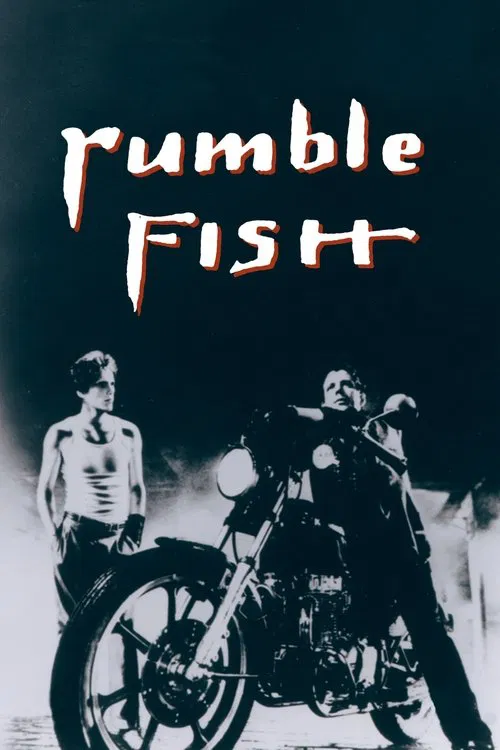
  2. Rumble Fish (1983) poster

    Rumble Fish

    Francis Ford Coppola · 1983

    Stewart Copeland, drummer of The Police, wrote a largely percussive score and mixed in recordings of Tulsa street sounds. The beat sounds like a clock that won't stop. It adds anxiety to scenes that would otherwise just be talk.

    Where to see it: Rusty James on the Tulsa streets. The drumming and city sounds run under his walks and fights.

Questions

Quick answers

What is tension motif score in film?
Scoring with persistent patterns, such as insistent percussion or circling phrases that never resolve. The music keeps tension high even in quiet moments.
Which films use tension motif score?
Vertigo (1958), Rumble Fish (1983).
What kind of technique is tension motif score?
It is a sound technique. Related sound techniques include Pop Music Needle Drop.