Psychology technique · used in 10 films

Obsession and Compulsion Portrait

Showing a character's fixation or addiction through repeated habits, objects and colors. The compulsion drives the behavior and defines who they are more than any speech could.

Examples

10 films that use it

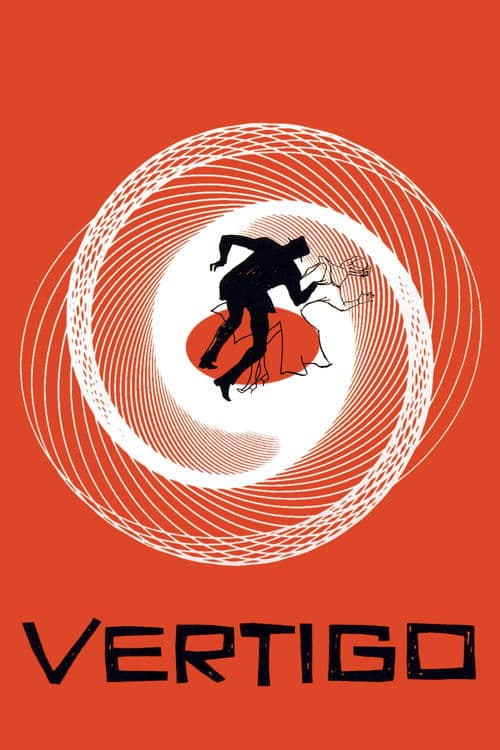
  1. Vertigo (1958) poster

    Vertigo

    Alfred Hitchcock · 1958

    Green follows Scottie through the film. It's in the neon outside Judy's hotel, which bathes her in emerald light during the reconstruction scene. Green is the color of Scottie's obsession, and it appears wherever his fixation does.

    Where to see it: Judy coming out of the bathroom transformed, bathed in the hotel's green neon. Madeleine has been brought back, and she looks like a ghost walking in the light.
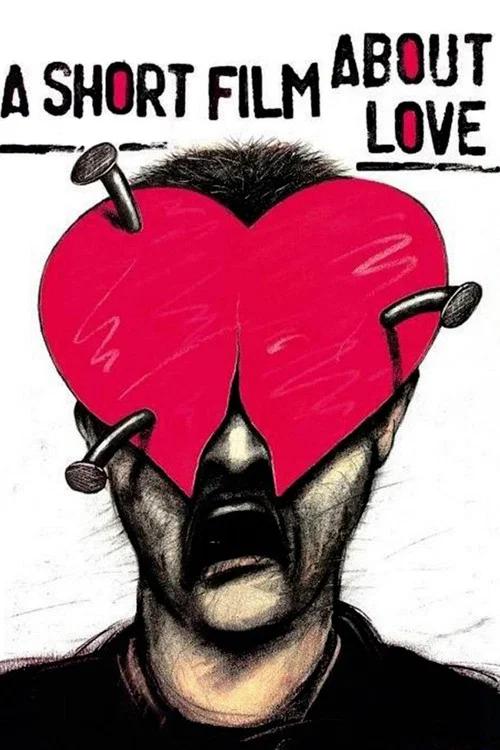
  2. A Short Film About Love (1988) poster

    A Short Film About Love

    Krzysztof Kieślowski · 1988

    Tomek's fixation shows up in his habits, not speeches. He phones her without speaking, slips fake money-order notices in her mailbox and takes the milk job so he can see her each morning. His routine tells you how much she fills his life.

    Where to see it: The fake notices: Tomek keeps leaving postal notices for Magda about a money order that does not exist. When she argues with the postmistress, he follows her and confesses.

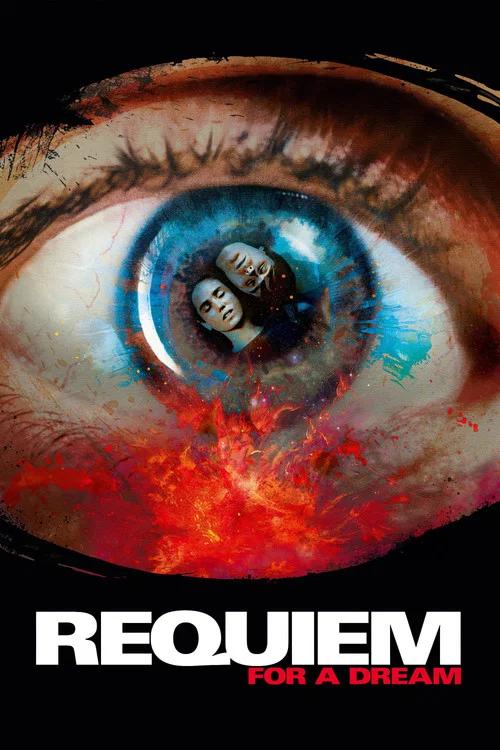
  3. Requiem for a Dream (2000) poster

    Requiem for a Dream

    Darren Aronofsky · 2000

    Sara's refrigerator is a villain in this film. She opens it, closes it, resists it, bargains with it and finally gives in. It's the film's longest look at compulsion as a relationship with an object. In her amphetamine psychosis she hallucinates that it attacks her, and the film makes it feel physically threatening.

    Where to see it: Sara opening and closing the refrigerator. The editing gives the appliance as much dramatic weight as a character with lines.

  4. Matchstick Men (2003) poster

    Matchstick Men

    Ridley Scott · 2003

    Roy's obsessive-compulsive disorder and Tourette syndrome shape how he lives. After he spills his pills down the sink, you watch him clean his house until the next day. When Frank visits, Roy has a violent panic attack. You learn how thin his control is before anyone says it out loud.

    Where to see it: The cleaning spree: after spilling his medication, Roy cleans his whole house through the night and into the next day.

  5. The Aviator (2004) poster

    The Aviator

    Martin Scorsese · 2004

    Near the end, Hughes keeps saying "the way of the future" over and over while the people around him try to calm him. The phrase stops sounding like an idea and starts sounding like a stuck switch. You feel how far the OCD has taken him.

    Where to see it: The restroom scene after the H-4 flight. Glenn Odekirk hides Hughes there while he repeats the phrase and flashbacks to his childhood surface.

  6. Shame (2011) poster

    Shame

    Steve McQueen · 2011

    Brandon watches pornography and masturbates several times a day, including at work, and seeks out prostitutes. When a computer virus exposes his hard drive, you see how much his habit rules him.

    Where to see it: The office: A virus exposes the pornography on Brandon's work computer, and he has to hide the truth.

  7. Flight (2012) poster

    Flight

    Robert Zemeckis · 2012

    Whip's lawyers move him to a guarded hotel room with no alcohol so he can sober up. The door to the next room is unlocked and the minibar is full. You watch him try to resist before he gives in.

    Where to see it: The guarded hotel room: Whip finds the adjoining door unlocked with a full minibar. After trying to resist, he goes on a severe drinking binge.

  8. Heaven Knows What (2015) poster

    Heaven Knows What

    Josh Safdie · 2015

    Everything Harley does comes back to two things: Ilya and heroin. The film shows these obsessions by repeating the same habits and places. They shape who she is more than any speech could.

    Where to see it: The bus to Miami. Harley and Ilya get on a bus together, and Ilya gets off alone.

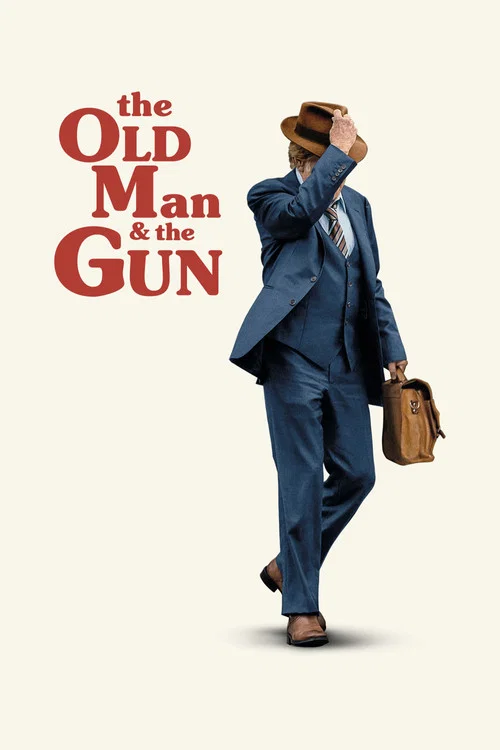
  9. The Old Man & the Gun (2018) poster

    The Old Man & the Gun

    David Lowery · 2018

    Forrest cannot stop robbing banks or escaping prison, even when he has a good life with Jewel. His list of escapes becomes the proof of who he is. You see that the thrill, more than the money, keeps him going.

    Where to see it: Prison visit and last robbery: Forrest gives Jewel a list of 16 escapes with a blank number 17. After release he grows restless and walks into a bank across the street.

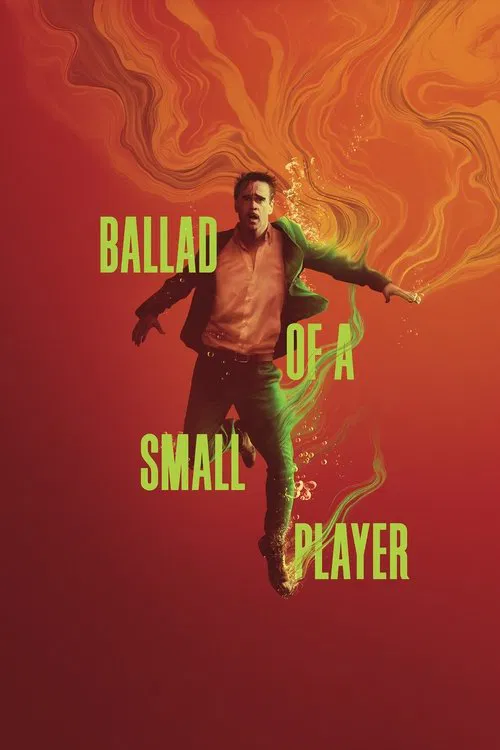
  10. Ballad of a Small Player (2025) poster

    Ballad of a Small Player

    Edward Berger · 2025

    Reilly cannot stop gambling, and the film shows it through his habits. He drifts between luxury hotels and casinos, relies on drink and superstition and chases the thrill of the next hand. The compulsion defines him more than any speech could.

    Where to see it: Baccarat tables: with mounting debts and dwindling funds, Reilly keeps trying his luck at baccarat. He meets Dao Ming, a credit broker, at the tables.

Questions

Quick answers

What is obsession and compulsion portrait in film?
Showing a character's fixation or addiction through repeated habits, objects and colors. The compulsion drives the behavior and defines who they are more than any speech could.
Which films use obsession and compulsion portrait?
Vertigo (1958), A Short Film About Love (1988), Requiem for a Dream (2000), Matchstick Men (2003), The Aviator (2004), Shame (2011) and 4 more films in the CineCode library.
What kind of technique is obsession and compulsion portrait?
It is a psychology technique. Related psychology techniques include others listed on the CineCode techniques page.