Cinematography technique · used in 2 films

Dolly Zoom

Moving the camera backward while zooming in, or forward while zooming out. The subject stays the same size while the background stretches or squeezes, which shows a character's shock or unstable state of mind.

Examples

2 films that use it

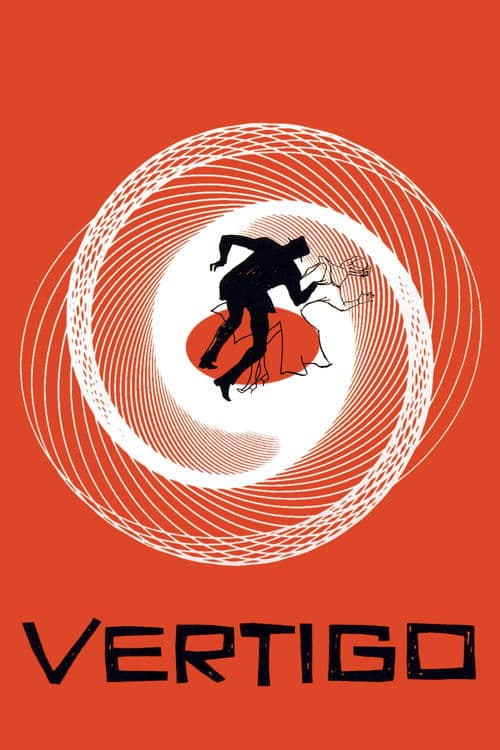
  1. Vertigo (1958) poster

    Vertigo

    Alfred Hitchcock · 1958

    Paramount second-unit cameraman Irmin Roberts devised the technique for this film at Hitchcock's request, to show Scottie's vertigo. When Scottie looks down a stairwell, the walls seem to pull away while the floor rushes up. The camera shows you what his mind tells him is there. What he feels and what he sees are joined in a single shot.

    Where to see it: Scottie looking down the bell tower stairwell. The camera makes a move that looks impossible, and you feel the vertigo from the inside.
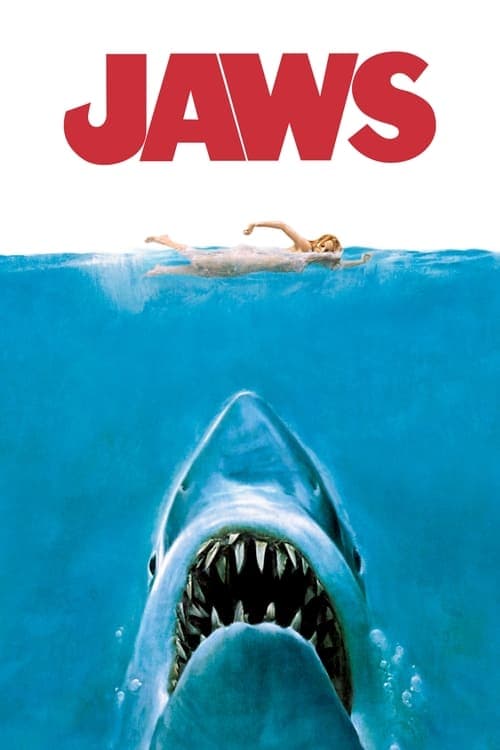
  2. Jaws (1975) poster

    Jaws

    Steven Spielberg · 1975

    When Brody sees the shark attack on the beach, Spielberg uses a dolly zoom, where the camera moves one way while the lens zooms the other. The effect was first created for Vertigo. I feel like it captures exactly how the world lurches when a catastrophe sinks in.

    Where to see it: Brody sitting on the beach. The dolly zoom hits as he realizes there is a shark in the water.

Questions

Quick answers

What is dolly zoom in film?
Moving the camera backward while zooming in, or forward while zooming out. The subject stays the same size while the background stretches or squeezes, which shows a character's shock or unstable state of mind.
Which films use dolly zoom?
Vertigo (1958), Jaws (1975).
What kind of technique is dolly zoom?
It is a cinematography technique. Related cinematography techniques include Practical In-Camera Effects, Real Locations as Character.