Making you the one who watches
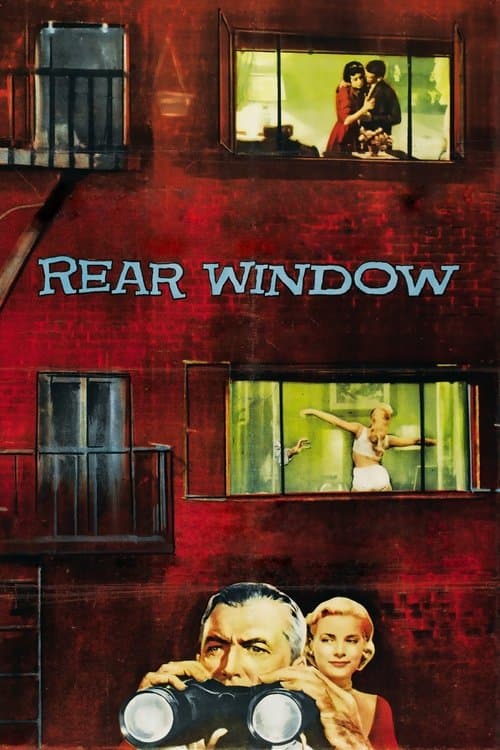
Hitchcock keeps putting you in the position of a peeping Tom. In Rear Window (1954), the camera almost never leaves Jeff's apartment. You only see what he sees from his wheelchair. The courtyard windows work like little movie screens, and Hitchcock keeps cutting back to Jeff's face. So, you're watching a man watch, which is pretty much what you're doing in the theater.
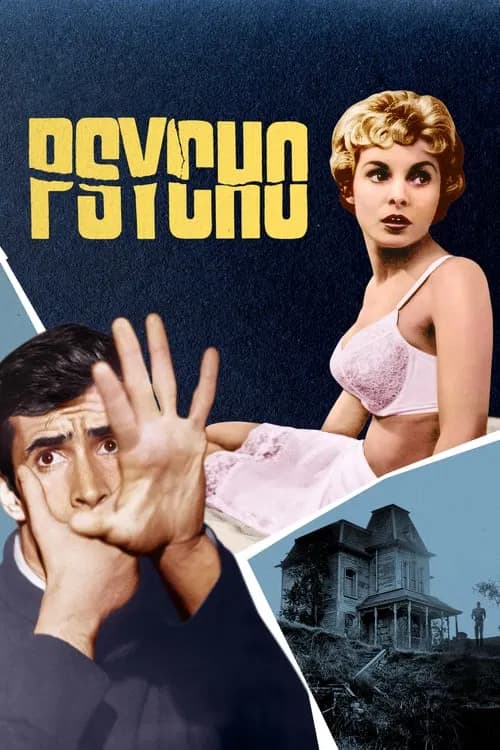
Psycho (1960) makes it uncomfortable. When Norman looks through the peephole at Marion undressing, the camera shares his view. For a moment, you are him.
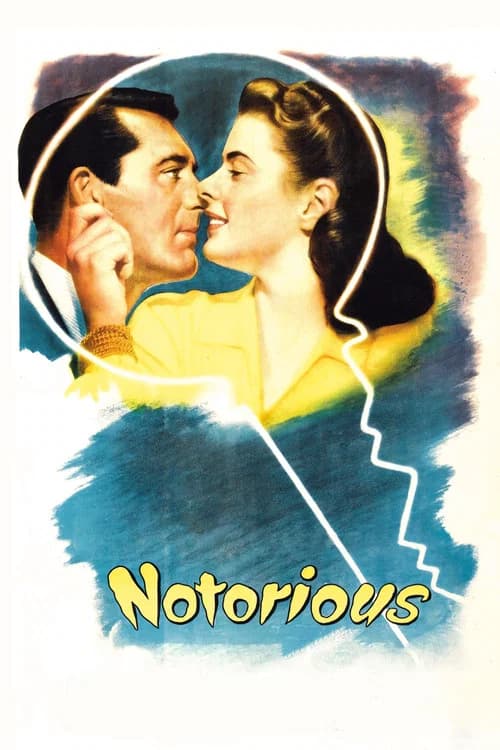
Notorious (1946) does it with one camera move. A long crane shot starts at the top of a staircase and travels all the way down to the wine cellar key in Alicia's closed hand. You're spying right along with everyone else in the film.
Doubles everywhere
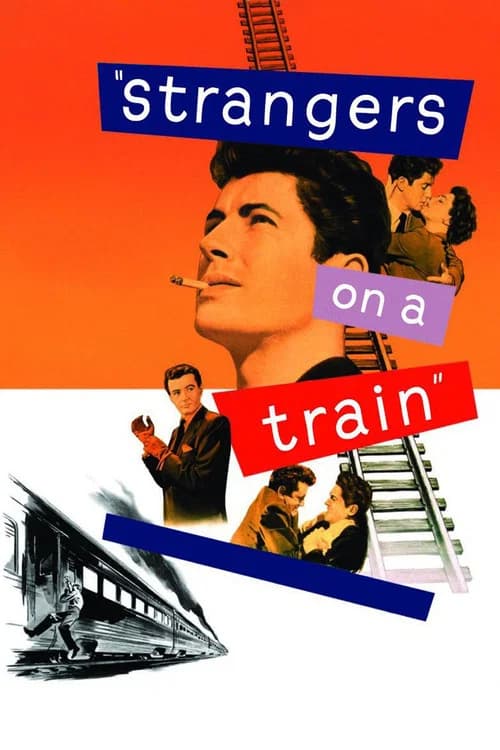
A lot of Hitchcock characters have a shadow version of themselves. Strangers on a Train (1951) shows it before you see a face. The film opens on 2 pairs of shoes walking to a train, cut so they mirror each other. Bruno is the man who will do what Guy only fantasized about. Later, the film cuts Guy's rushed tennis match against Bruno reaching for a lighter down a storm drain, so their 2 struggles play as one. When Bruno kills Miriam, you see it reflected in her glasses lying on the grass.
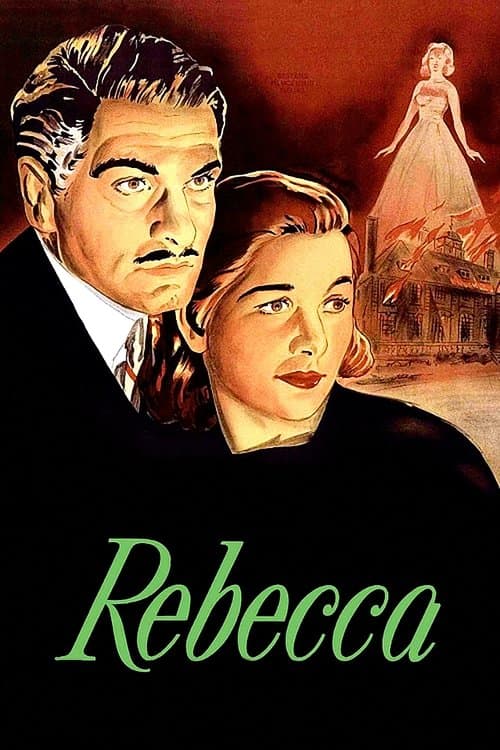
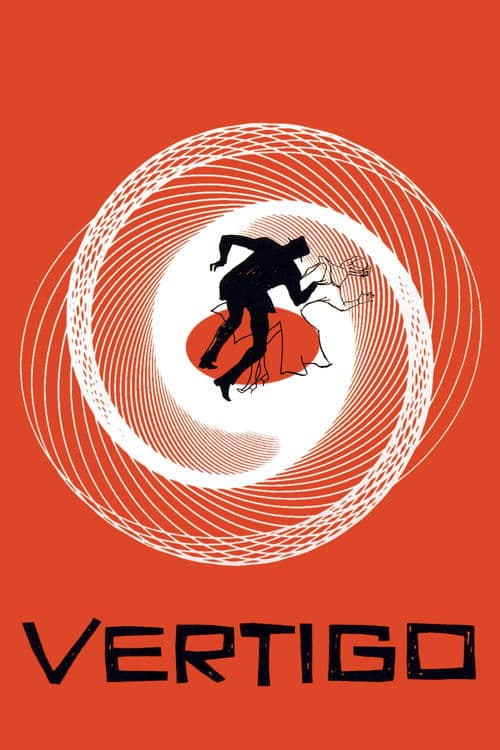
In Rebecca (1940), the narrator is a living woman measured against a dead one. At the fancy dress ball, she wears Rebecca's costume without knowing it, and it goes badly. Vertigo (1958) takes it further. Scottie picks Judy's hair, clothes and posture until she looks like Madeleine, and the music plays it like a love scene.
Breaking the deal with the audience
Hitchcock liked to break the rules you assume a story follows. Psycho sets Marion up as the main character of a crime film about stolen money. Then, she's murdered 47 minutes in, and a different film starts. You stop trusting that anyone is safe.
Vertigo gives away its mystery halfway through. Judy writes a letter revealing she was Madeleine all along, then burns it. Most films would save that for the ending. Here, you spend the second half watching Scottie rebuild a trap you already understand.
Rebecca does it through its narrator. She misreads Maxim and Mrs. Danvers through her own sense of not being good enough, and the film gives you no other view. When the reveals come, you have to rethink what you thought you saw.
The MacGuffin
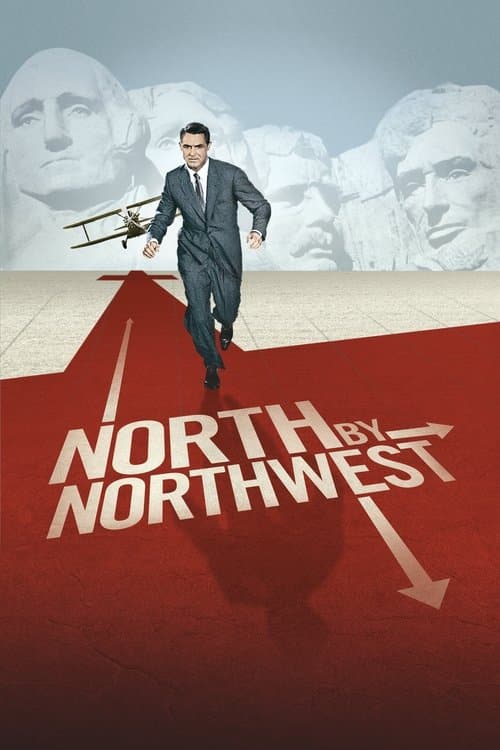
A MacGuffin is the thing everyone in the plot is chasing, and it barely matters what it is. North by Northwest (1959) is the best example. The spies are smuggling government secrets, and the film never says what they are. The Professor even admits George Kaplan, the agent Thornhill is mistaken for, doesn't exist.
What the MacGuffin buys is momentum. Every place Thornhill goes turns into a new trap with a new deadline. At the auction house, he makes a scene so he gets arrested before Vandamm's men can reach him. Hitchcock grounds the hard-to-believe plot with careful camera moves through real spaces, like the walk through the UN lobby.
Rooms that trap people
Hitchcock often builds the drama out of one space. In Rebecca, Manderley is a character. Mrs. Danvers has kept it as a shrine to Rebecca, down to the preserved bedroom in the west wing and the monogrammed linens. The new Mrs. de Winter can't live in her own house, because a dead woman already fills it.
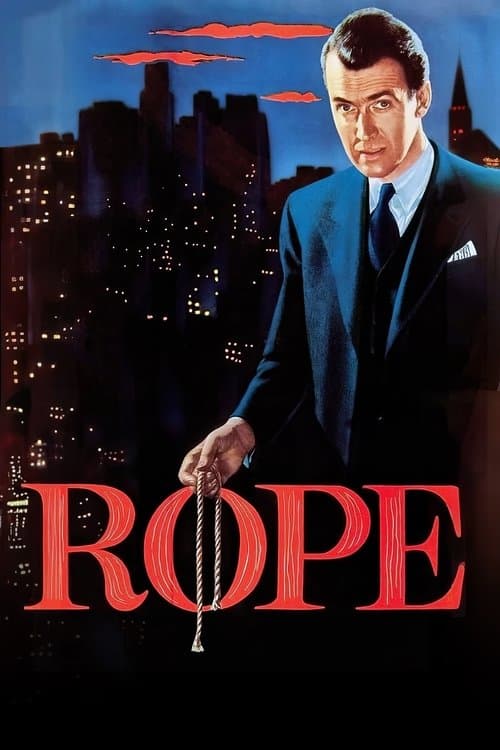
Rope (1948) never leaves a single penthouse apartment. Hitchcock lets conversations run for a whole reel with no cuts, and the camera moves around the room instead of cutting. The actors have to carry the tension themselves. The long dinner table conversation is where you feel it most, since nothing cuts away while Rupert circles the truth.
Music that does the damage
Bernard Herrmann's scores do a lot of Hitchcock's heavy lifting. In Psycho, Hitchcock suggested strings only. The shower cue was recorded to sound as aggressive as possible, and it comes in with the first move of the knife. It hits you like a physical attack.
Vertigo goes the other way. The main theme climbs and turns and never lands on a cadence, the bit of music that tells you a phrase is over. It just loops back to the same unresolved chord. In the nightmare sequence, it spirals down as Scottie falls apart. I feel like you hear his obsession before you fully see it.
How to use this when you watch
When you watch a Hitchcock film, ask whose eyes you're looking through, and whether someone in the story is a mirror of someone else. It also helps to notice what everyone is chasing and how little it matters. Suspense is the famous part, and these habits are what hold it up.
More guides
- Film Noir Lighting Explained: 8 Films That Nail It
- How Directors Build Suspense: 8 Films That Show You How
- Unreliable Narrator Movies Explained: 9 Films That Fool You
- Non-Linear Movies Explained: 8 Films Told Out of Order
- Long Takes and Oners Explained: 9 Famous One-Shot Scenes
- How Color Tells the Story: 9 Films With Meaningful Palettes