Editing technique · used in 7 films

Title Sequence as Manifesto

Using the opening titles to set up the film's look, tone and psychological feel before the story starts. The sequence is a short preview of the whole style.

Examples

7 films that use it

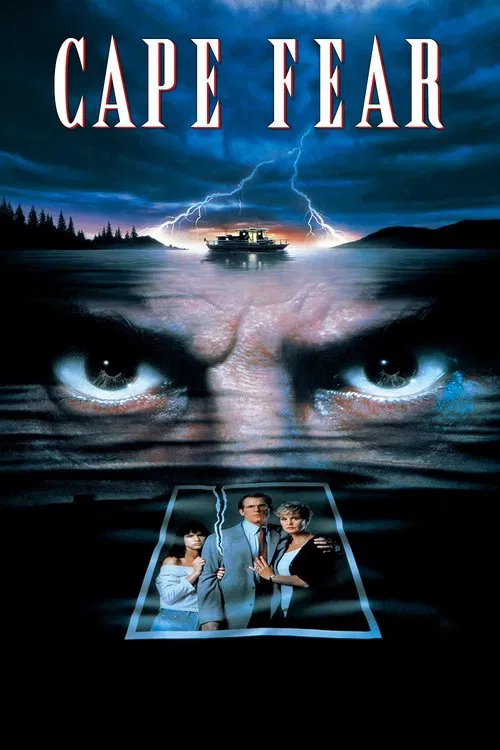
  1. Cape Fear (1991) poster

    Cape Fear

    Martin Scorsese · 1991

    Saul Bass designed the titles, reusing part of his unreleased ending for Phase IV. They set up the look and mood before any character speaks. You know you are in a thriller that wants to unsettle you.

    Where to see it: The opening titles: Bass's graphic sequence runs before the story starts and sets a menacing tone.

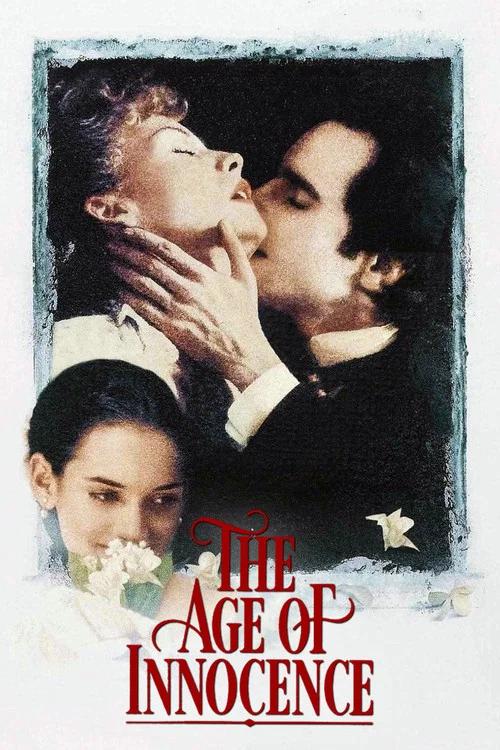
  2. The Age of Innocence (1993) poster

    The Age of Innocence

    Martin Scorsese · 1993

    The titles by Elaine and Saul Bass show roses and lace blooming in time-lapse. The images are beautiful and fragile. They preview a world of delicate surfaces and hidden pressure.

    Where to see it: The opening titles: roses open in time-lapse over lace before the story starts.

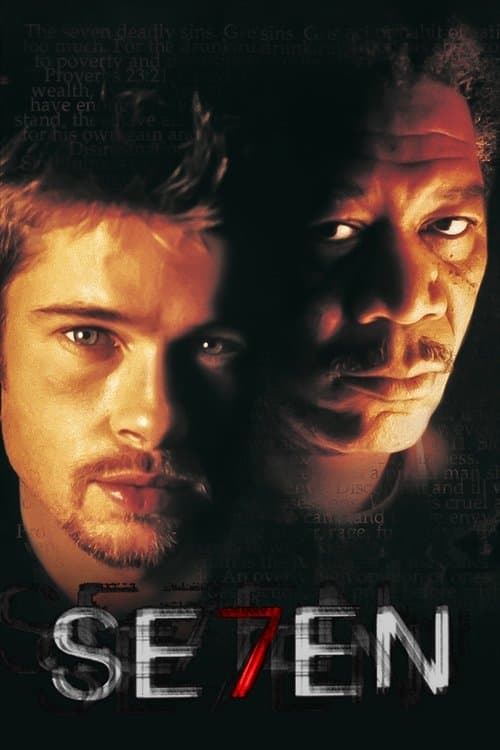
  3. Se7en (1995) poster

    Se7en

    David Fincher · 1995

    Kyle Cooper's title sequence (razor blades, handwritten journals, scratched film, disturbing imagery) set a new template for thriller titles. It told the audience exactly what kind of film they were in before the first scene began. It is John Doe's point of view and Fincher's statement of intent at the same time.

    Where to see it: The opening credit sequence over Nine Inch Nails's 'Closer'. Those 2 minutes defined the look of an era.

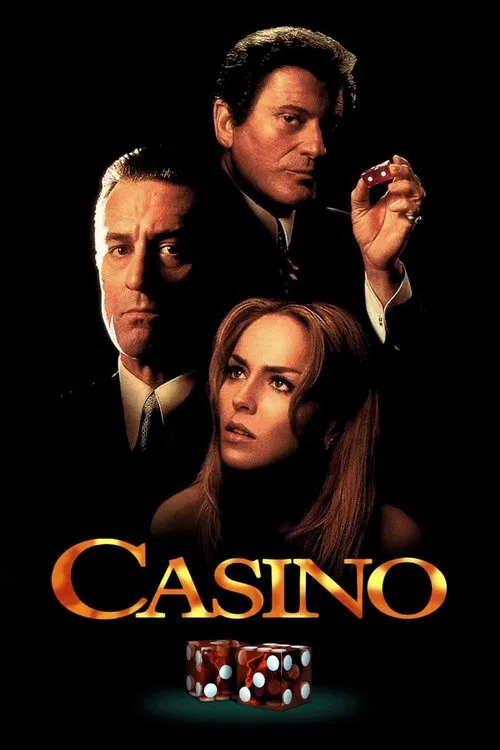
  4. Casino (1995) poster

    Casino

    Martin Scorsese · 1995

    Saul and Elaine Bass designed the opening titles, the last of Saul's career. A dark figure falls through flames and the glowing lights of Las Vegas, with Bach's St. Matthew Passion on the soundtrack. Before the story starts, you already know it's about a fall.

    Where to see it: The opening credits. Right after the car bomb, Ace's silhouette tumbles through fire and Vegas neon while the choir sings.

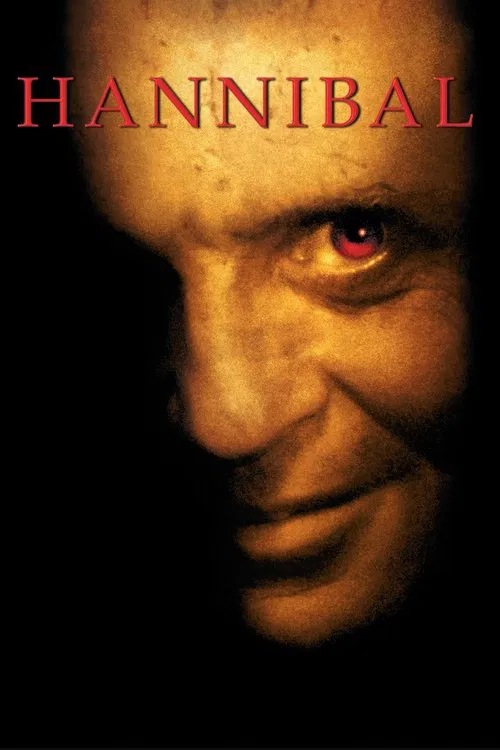
  5. Hannibal (2001) poster

    Hannibal

    Ridley Scott · 2001

    The main titles show pigeons on the cobblestones of an empty Florence square early in the morning. The image slowly turns into the face of Hannibal Lecter. It asks the question the story is built on, which is where he is hiding. The calm, pretty start also sets up the film's mix of beauty and menace.

    Where to see it: The opening titles: footage of pigeons in a Florence square morphs into Lecter's face.

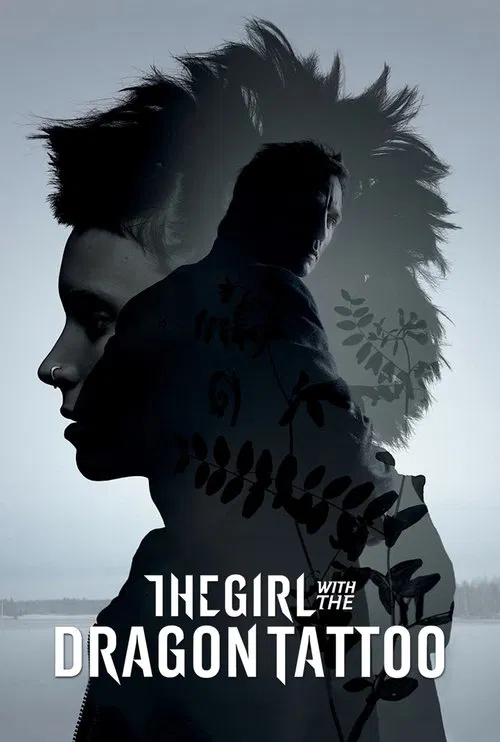
  6. The Girl with the Dragon Tattoo (2011) poster

    The Girl with the Dragon Tattoo

    David Fincher · 2011

    Blur Studio made the opening credits, set to a cover of Led Zeppelin's 'Immigrant Song' produced by Trent Reznor and Atticus Ross. It is a short burst of dark, violent imagery that tells you how harsh and stylized this film will be.

    Where to see it: The opening credits. A cover of 'Immigrant Song' plays over fast, dark imagery before the story begins.

Questions

Quick answers

What is title sequence as manifesto in film?
Using the opening titles to set up the film's look, tone and psychological feel before the story starts. The sequence is a short preview of the whole style.
Which films use title sequence as manifesto?
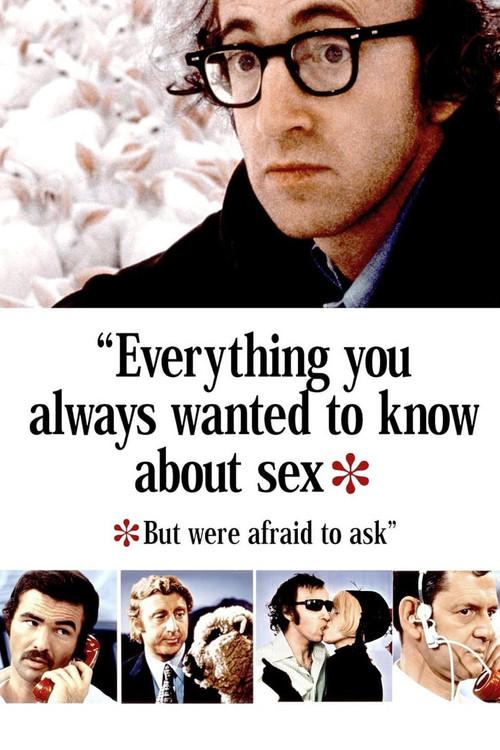
Everything You Always Wanted to Know About Sex *But Were Afraid to Ask (1972), Cape Fear (1991), The Age of Innocence (1993), Se7en (1995), Casino (1995), Hannibal (2001) and 1 more films in the CineCode library.
What kind of technique is title sequence as manifesto?
It is a editing technique. Related editing techniques include others listed on the CineCode techniques page.