Drama · Romance

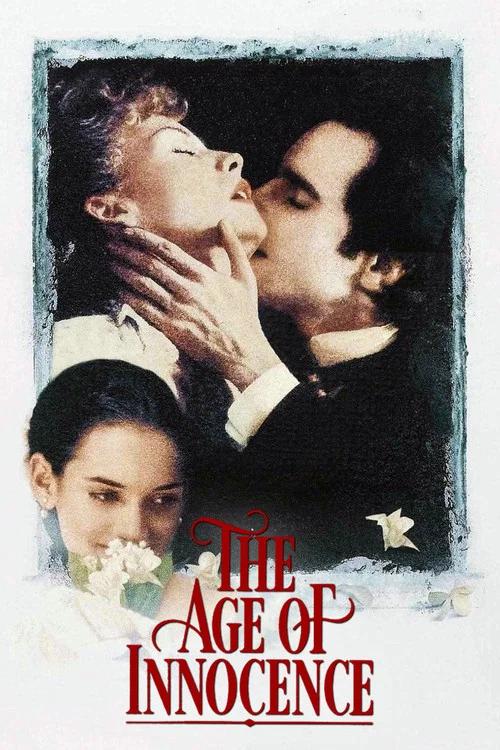
The Age of Innocence

Martin Scorsese, 1993

In 1870s New York, lawyer Newland Archer is engaged to May Welland when her cousin Ellen Olenska returns from a failed marriage. He falls for Ellen but never acts on it. Scorsese treats the rules of high society like a gangster film.

The Age of Innocence (1993) poster

At a glance

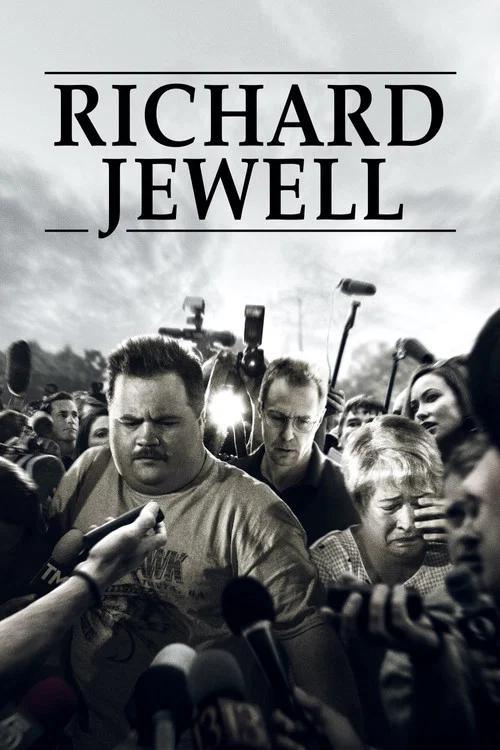
The Age of Innocence is a 1993 drama and romance film directed by Martin Scorsese. This breakdown covers 5 techniques (2 narrative, 2 editing and 1 cinematography), each with the scene where you can see it. If you like how it is made, Richard Jewell uses several of the same techniques.

Narrative

Community as Tribunal

Showing a community turn into its own informal court, outside the legal system. Mob logic and social pressure take the place of legal process, the same way a rumor hardens into a conviction.

How this film uses it

Society never says a word in public, but it judges. It refuses to help Julius Beaufort in a financial panic and ends his place in the group. In the end it also works to keep Archer from Ellen.

Where to see it

The farewell party: May announces she is pregnant and shows she has long understood, and Archer realizes the community kept him from Ellen.
Narrative

Romantic Triangle Geometry

Building a love story around 3 people, where each pair has its own relationship and the third person always gets in the way. Your sympathy shifts because each of them has a fair claim.

How this film uses it

Newland, May and Ellen each have a fair claim on your sympathy. May looks conventional until the end, and Ellen looks free but is not. The pairs are never simple.

Where to see it

Newland and Ellen admit their love: they say it but do not act on it, and Ellen moves to Washington.

Editing

Title Sequence as Manifesto

Using the opening titles to set up the film's look, tone and psychological feel before the story starts. The sequence is a short preview of the whole style.

How this film uses it

The titles by Elaine and Saul Bass show roses and lace blooming in time-lapse. The images are beautiful and fragile. They preview a world of delicate surfaces and hidden pressure.

Where to see it

The opening titles: roses open in time-lapse over lace before the story starts.

Cinematography

Era-Coded Visual Grammar

Changing the color, film texture and camera style for each time period, and using the fashion and architecture of the day. Every era gets its own distinct feel.

How this film uses it

Gabriella Pescucci won the Academy Award for Best Costume Design. The paintings on the walls were newly made reproductions. In this world a dinner or a dress tells you who is accepted.

Where to see it

Ellen's dinner: Archer gets the van der Luydens to host a dinner that restores Ellen's standing.

Editing

Jump-Forward Epilogue

Jumping ahead years after the story has resolved to show what became of a character. The whole story before it then reads as a look back at what was right and wrong.

How this film uses it

The film jumps 25 years ahead. May has died and Archer's son takes him to Paris. Archer sends his son up to see Ellen and walks away. The whole story reads as a look back at a choice.

Where to see it

The Paris ending: Archer does not go up to see Ellen, sends his son Ted instead and leaves.

Questions

The Age of Innocence: quick answers

What filmmaking techniques does The Age of Innocence use?
CineCode breaks down 5 techniques in The Age of Innocence (1993): Community as Tribunal, Romantic Triangle Geometry, Title Sequence as Manifesto, Era-Coded Visual Grammar and Jump-Forward Epilogue.
Who directed The Age of Innocence?
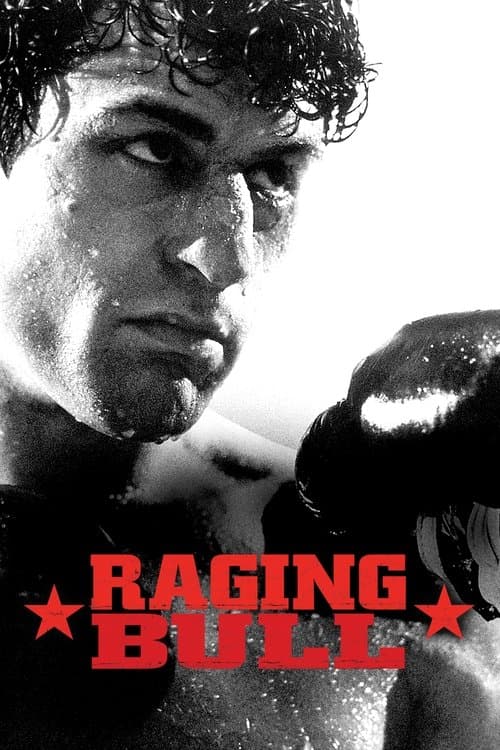
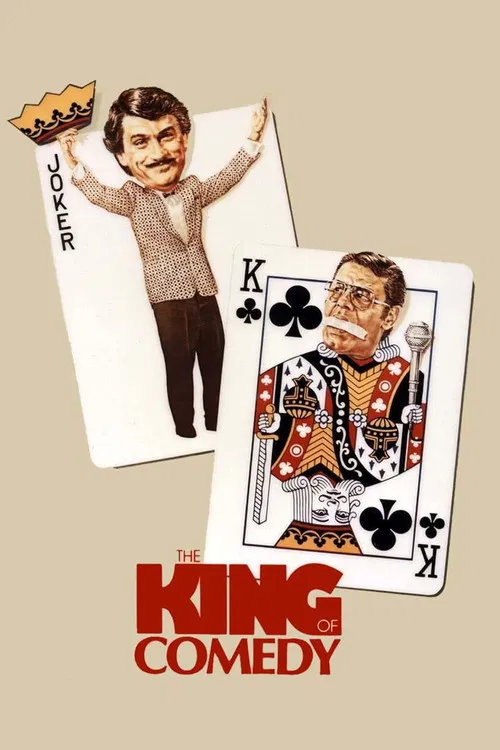
Martin Scorsese directed The Age of Innocence, released in 1993. CineCode also covers Mean Streets (1973), Alice Doesn't Live Here Anymore (1974), Taxi Driver (1976), New York, New York (1977), Raging Bull (1980), The King of Comedy (1982).
What films are similar to The Age of Innocence?
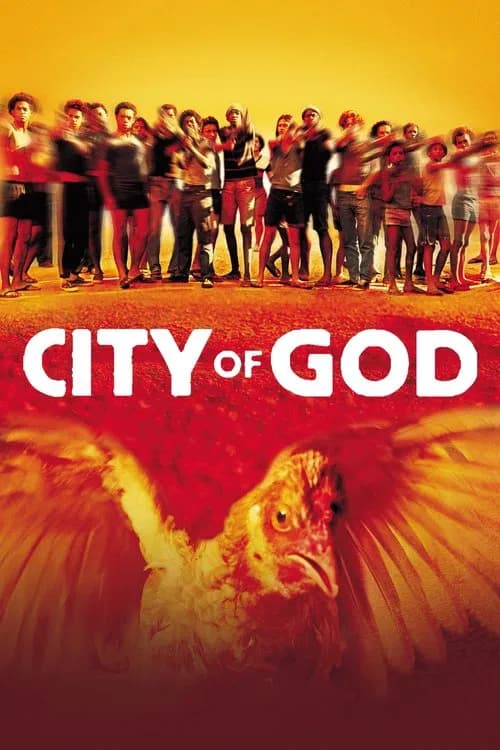
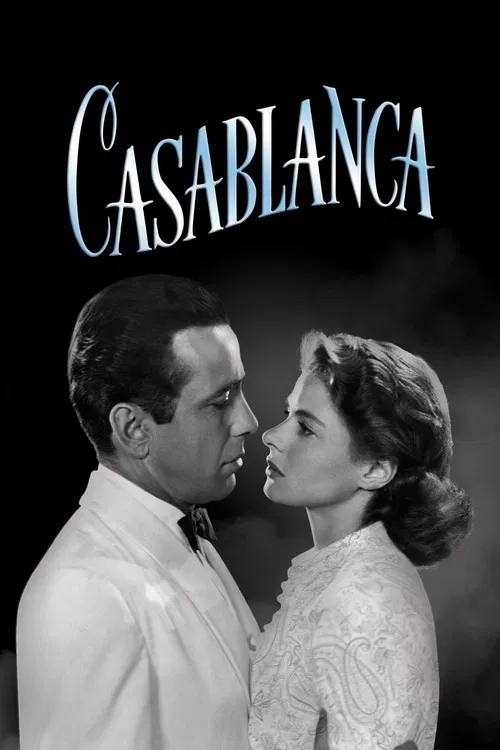
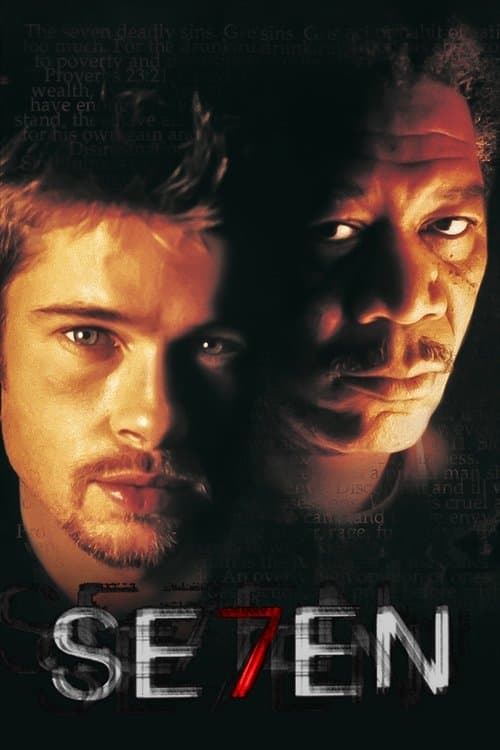
Films that share techniques with The Age of Innocence include Richard Jewell (2019), Se7en (1995), City of God (2002), Casablanca (1942).