Thriller · Crime

Cape Fear

Martin Scorsese, 1991

After 14 years in prison, Max Cady comes for the lawyer who buried evidence that could have shortened his sentence. He stalks the lawyer's family in a North Carolina town until it all ends on a houseboat in a storm. Scorsese mixes Hitchcock tricks with a raw, ugly menace.

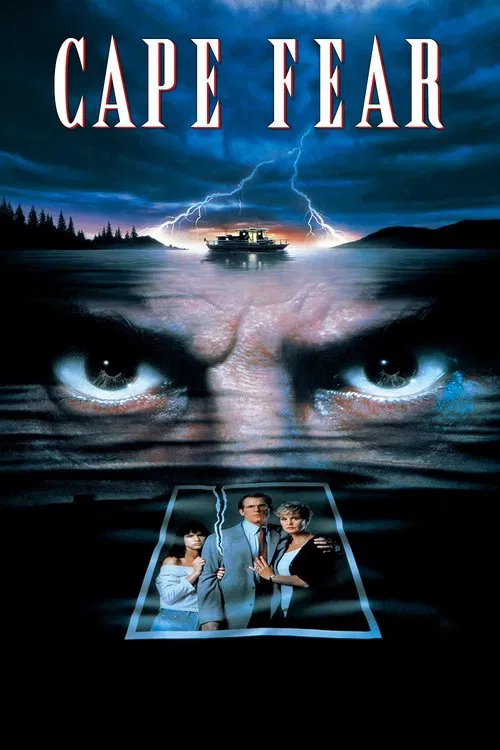
Cape Fear (1991) poster

At a glance

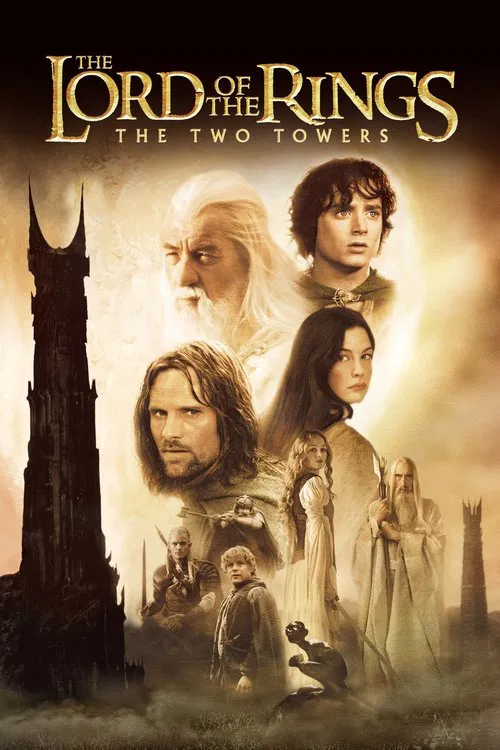
Cape Fear is a 1991 thriller and crime film directed by Martin Scorsese. This breakdown covers 5 techniques (2 narrative, 1 cinematography, 1 sound and 1 editing), each with the scene where you can see it. If you like how it is made, The Lord of the Rings: The Two Towers uses several of the same techniques.

Narrative

Escalating Villain Intensity

Making a villain or anti-hero more extreme as the film goes on, with each act bolder and harder to predict. The fear comes from never knowing what they will do next.

How this film uses it

Cady begins by poisoning the family dog and ends with murder. Each act is bolder than the one before, and the police cannot touch him. You never know what he will do next.

Where to see it

Danielle's drama teacher: Cady poses as her teacher and kisses her, one step past what the family thought he would dare.
Narrative

Threat in Everyday Settings

Placing a menace in crowded or ordinary places such as streets, parks and suburbs, so ordinary spaces turn unsafe and bystanders offer no protection.

How this film uses it

Cady sits in front of the Bowden family at a movie theater, lights a cigar and laughs loudly. Nothing happens, and that is the problem.

Where to see it

The Problem Child screening: Cady blocks the screen in front of the Bowdens, smoking a cigar and laughing like a hyena.

Cinematography

Siege Cinema

Staging a conflict as a long fight over a physical place, such as an assault on a fortress. Walls, streets, darkness and weather all become part of the drama.

How this film uses it

The finale is a fight over a boat. The Bowdens flee to their old houseboat, Cady hides under their car, and then he cuts the boat loose into a storm. The scene was shot in a 90 foot water tank, with miniatures by Derek Meddings.

Where to see it

The houseboat finale: Cady subdues Bowden and sets the boat adrift into the storm.

Sound

Bernard Herrmann String Attack

Scoring a moment of terror with string instruments played harshly, loudly and out of harmony. The shrieking, stabbing sound matches the physical violence on screen.

How this film uses it

The score reworks Bernard Herrmann's music from the original film, arranged by Elmer Bernstein. Harsh, screeching strings back up the violence. It points directly at Hitchcock-style thrillers.

Where to see it

Cady's release: after 14 years in prison, he walks out and heads for the Bowdens.

Editing

Title Sequence as Manifesto

Using the opening titles to set up the film's look, tone and psychological feel before the story starts. The sequence is a short preview of the whole style.

How this film uses it

Saul Bass designed the titles, reusing part of his unreleased ending for Phase IV. They set up the look and mood before any character speaks. You know you are in a thriller that wants to unsettle you.

Where to see it

The opening titles: Bass's graphic sequence runs before the story starts and sets a menacing tone.

Questions

Cape Fear: quick answers

What filmmaking techniques does Cape Fear use?
CineCode breaks down 5 techniques in Cape Fear (1991): Escalating Villain Intensity, Threat in Everyday Settings, Siege Cinema, Bernard Herrmann String Attack and Title Sequence as Manifesto.
Who directed Cape Fear?
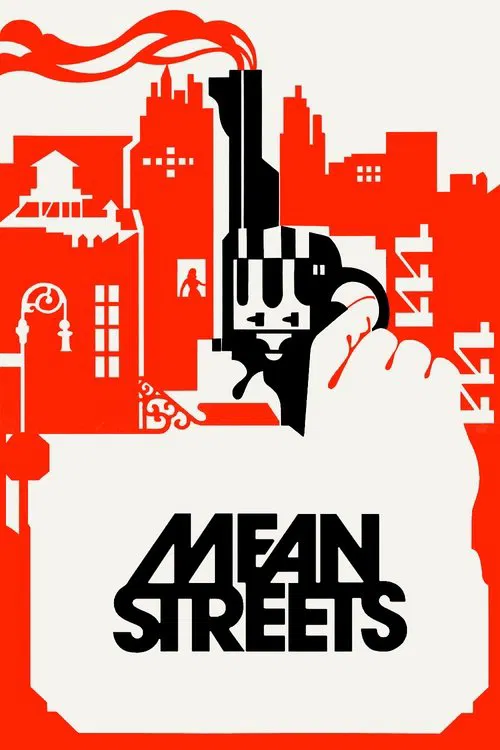
Martin Scorsese directed Cape Fear, released in 1991. CineCode also covers Mean Streets (1973), Alice Doesn't Live Here Anymore (1974), Taxi Driver (1976), New York, New York (1977), Raging Bull (1980), The King of Comedy (1982).
What films are similar to Cape Fear?
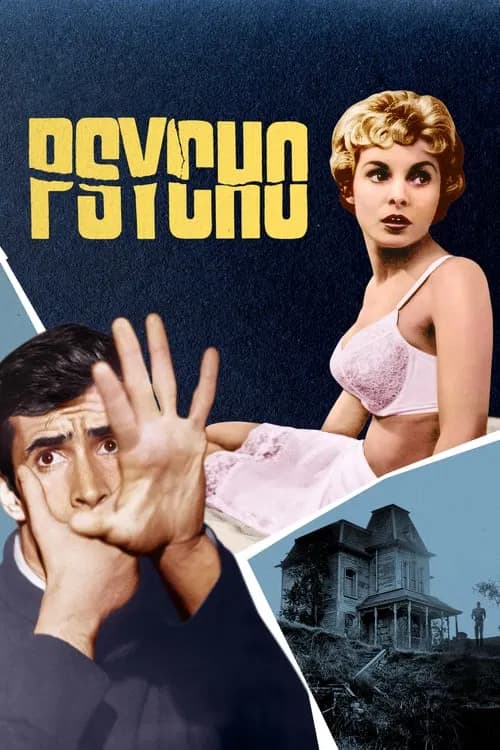
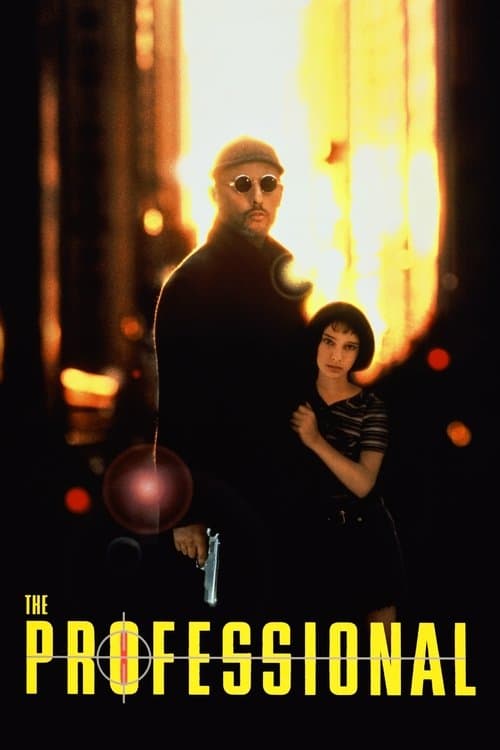
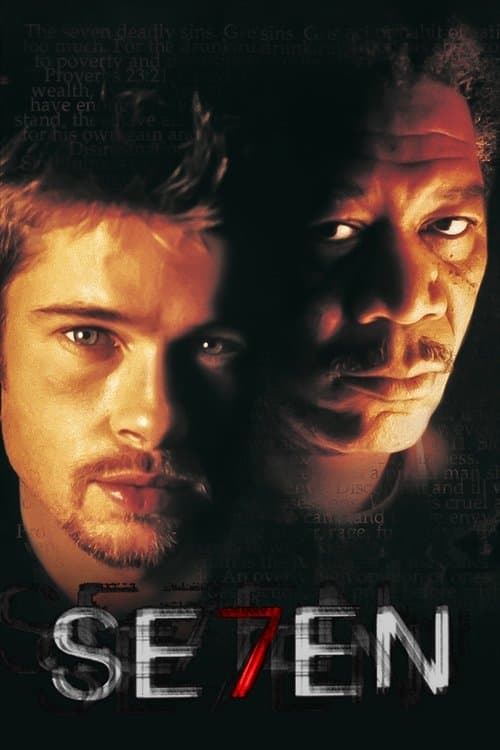
Films that share techniques with Cape Fear include The Lord of the Rings: The Two Towers (2002), Se7en (1995), Psycho (1960), Léon: The Professional (1994).