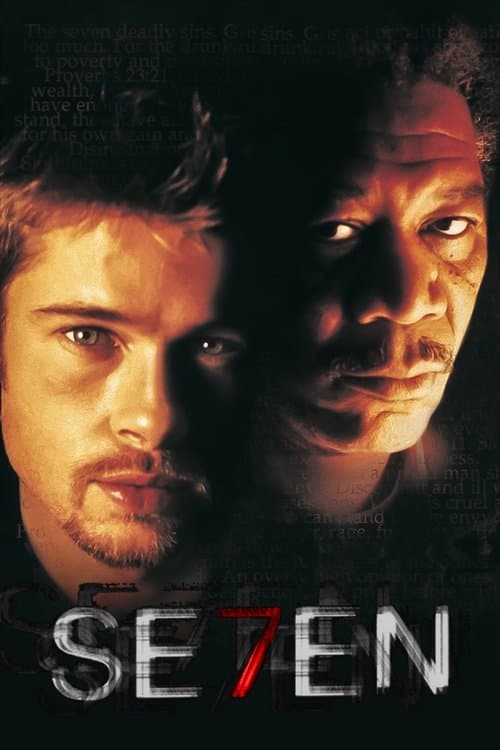
Se7en
David Fincher · 1995
Two detectives — one cynical and days from retirement, one young and idealistic — hunt a serial killer who uses the seven deadly sins as a blueprint in a city of perpetual rain and moral rot. A film about the futility of justice in a world that has already lost.
Techniques Used
5 techniques identified in this film
Urban Gothic Cinematography
CinematographyUsing desaturated color, heavy shadow, rain-slicked surfaces, and decaying architecture to construct a city as a moral environment — a visual argument that the world itself is corrupted.
How this film uses it
Cinematographer Darius Khondji used a bleach bypass process that desaturated colors and increased contrast, giving the city a perpetually grimy, overcast quality. It never stops raining. The visual world is not a backdrop — it is the film's thesis: this is what a world that has already failed looks like.
Withheld Murder Scene
EditingRefusing to show the act of violence itself, instead revealing only its aftermath — the body, the room, the evidence — and letting the audience's imagination populate the space between.
How this film uses it
Fincher never shows any of John Doe's murders in progress. The audience arrives with the detectives, after the fact. The Gluttony victim, the Sloth victim, the Greed crime scene — each is staged as an archaeological discovery rather than a witnessed event. The horror lives in what the imagination fills in.
Seven Sins as Architecture
NarrativeUsing a pre-existing external framework — a religious, mythological, or philosophical schema — as the structural blueprint for a narrative, so that the audience can anticipate the shape of what's coming while remaining uncertain about its specifics.
How this film uses it
The seven deadly sins function as a countdown the audience knows is running. After Gluttony and Greed, we know five more are coming — but the framework withholds which sin will be staged when and how. The structure creates dread through inevitability.
Title Sequence as Manifesto
EditingUsing the opening title sequence to establish the film's visual grammar, tonal register, and psychological texture before the narrative begins — functioning as a compressed statement of the film's entire aesthetic.
How this film uses it
Kyle Cooper's title sequence — razor blades, handwritten journals, scratched film, disturbing imagery — introduced a new template for thriller title design and told the audience exactly what kind of film they were in before the first scene began. It is simultaneously John Doe's POV and Fincher's statement of intent.
Expectation Collapse
NarrativeDeliberately building genre expectations — the villain caught, the climax approaching, the resolution forming — and then collapsing them in a way that uses the audience's own anticipation as the instrument of devastation.
How this film uses it
John Doe surrenders himself voluntarily. The film has been a chase, and suddenly there is nothing to chase. The third act then takes place entirely in a car and an open field — no action, no spectacle — because the real climax is an argument about whether Mills will do what Doe has planned for him.
You Might Also Like
Films that share at least one technique with Se7en
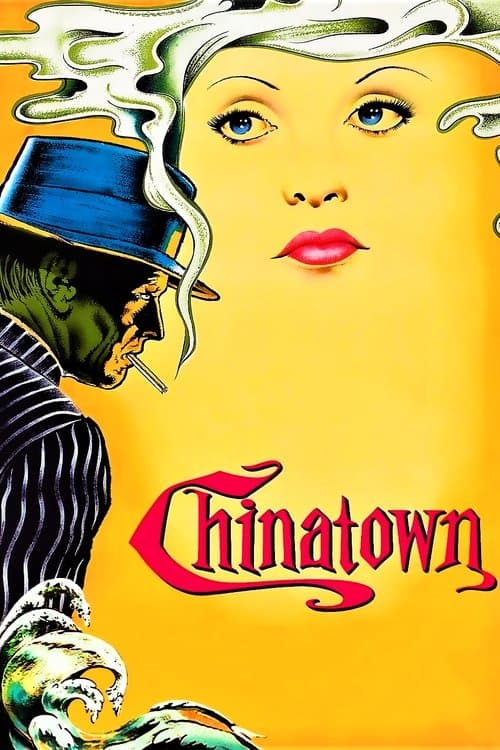
A Los Angeles private detective hired to investigate a supposed adultery uncovers a conspiracy involving the city's water supply — and discovers that the truth is far worse than any crime he expected to find. The defining neo-noir, built on the impossibility of justice.
Chinatown
Roman Polanski · 1974
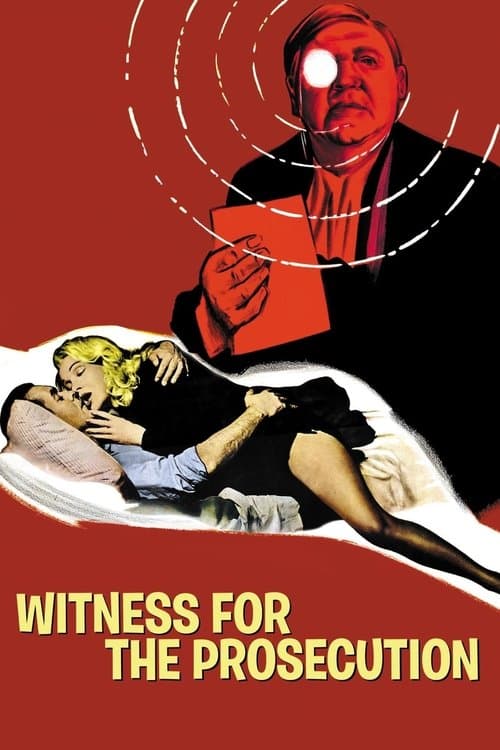
A brilliant but ailing barrister takes on the seemingly hopeless case of a man accused of murdering a wealthy widow — and faces his most formidable adversary in the defendant's own wife. Wilder's most perfectly constructed thriller.
Witness for the Prosecution
Billy Wilder · 1957
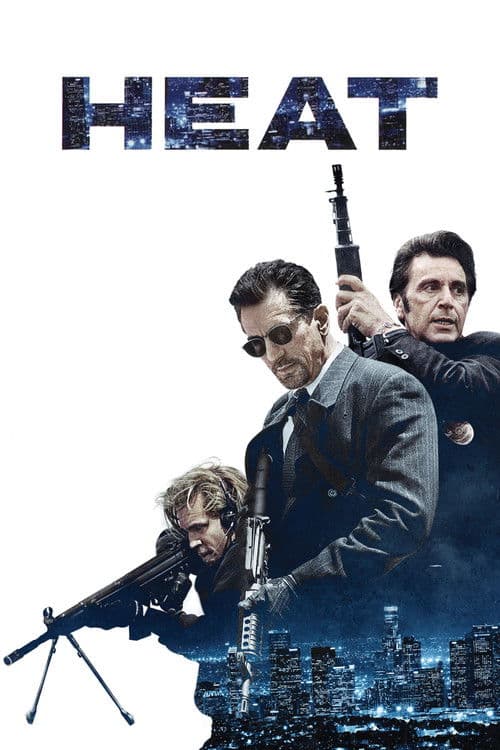
A veteran Los Angeles detective and a professional thief are mirror images of each other — both defined entirely by their work, both sacrificing everything else to it — on a collision course that both men understand and neither can avoid. The definitive American crime film.
Heat
Michael Mann · 1995