Narrative technique · used in 8 films

Escalating Villain Intensity

Making a villain or anti-hero more extreme as the film goes on, with each act bolder and harder to predict. The fear comes from never knowing what they will do next.

Examples

8 films that use it

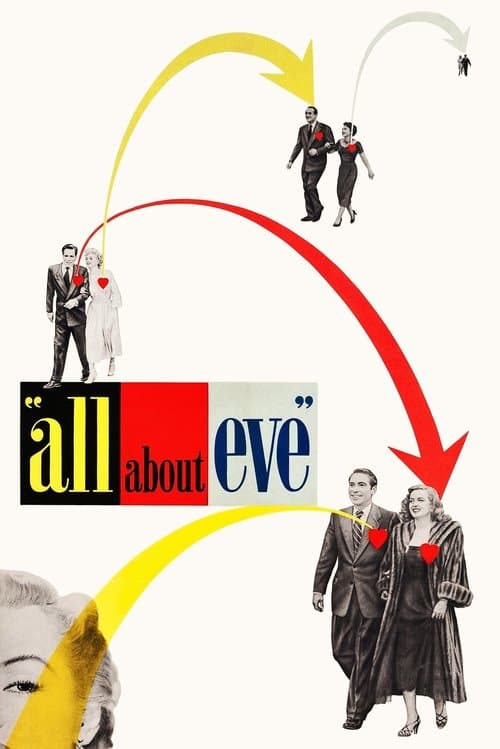
  1. All About Eve (1950) poster

    All About Eve

    Joseph L. Mankiewicz · 1950

    Eve's scheming grows from devoted fan to arranging a call that makes Margo look as if she forgot Bill's birthday, then secretly becoming Margo's understudy, then threatening to expose Karen unless she backs her for the lead. Each step is bolder than the one before.

    Where to see it: The hotel room revelation. DeWitt finally has Eve cornered, and he shows that he knows her past is invented and that she now belongs to him.
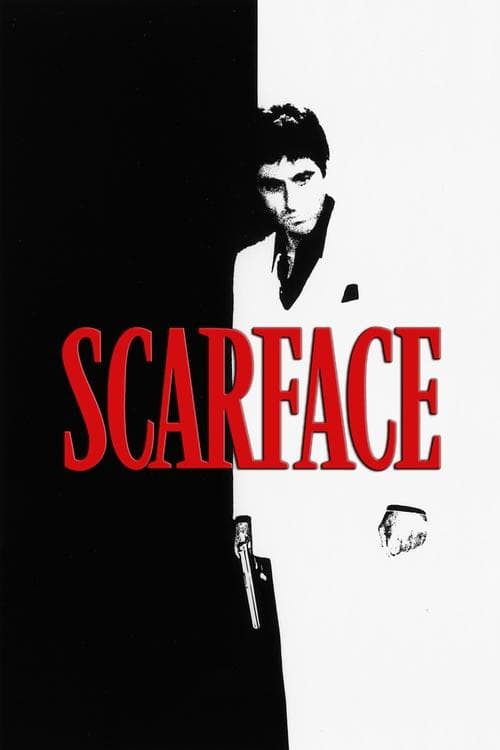
  2. Scarface (1983) poster

    Scarface

    Brian De Palma · 1983

    Tony's path is a carefully measured escalation, and each act is more excessive than the last. The cocaine use, the violence and the paranoia feed each other in a spiral. It only ends when there is nothing left to destroy.

    Where to see it: Tony at his desk, buried in cocaine in the final act. The whole film's escalation is packed into one image. The excess is his triumph, and it is also what is killing him.

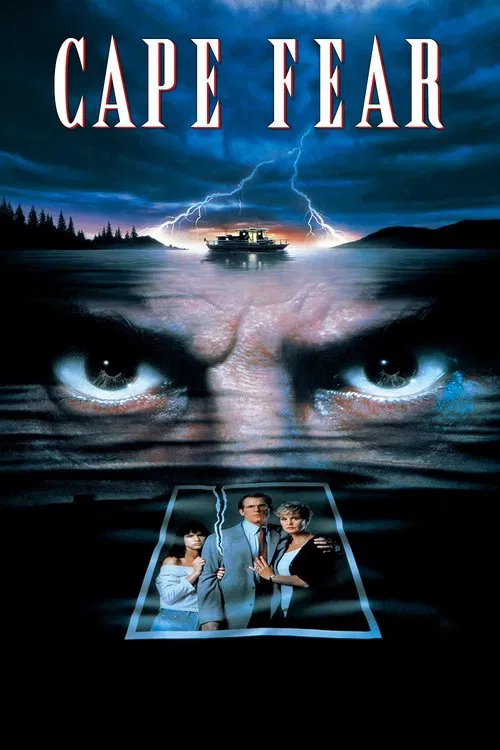
  3. Cape Fear (1991) poster

    Cape Fear

    Martin Scorsese · 1991

    Cady begins by poisoning the family dog and ends with murder. Each act is bolder than the one before, and the police cannot touch him. You never know what he will do next.

    Where to see it: Danielle's drama teacher: Cady poses as her teacher and kisses her, one step past what the family thought he would dare.

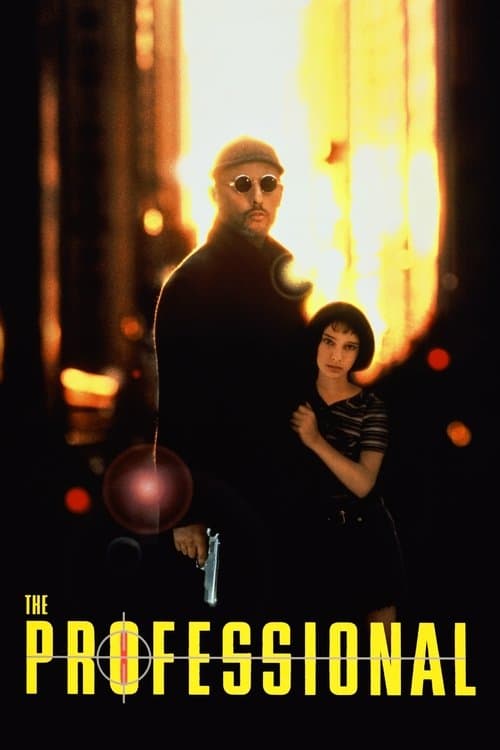
  4. Léon: The Professional (1994) poster

    Léon: The Professional

    Luc Besson · 1994

    Gary Oldman plays Stansfield as so unhinged that every scene he is in feels dangerous. He talks about Beethoven before he kills people, takes his pills and follows no logic you can track. I feel like his scenes work like pressure building up. You can't measure how big a threat he is, because he has no limits you can read.

    Where to see it: Stansfield's introduction in the hallway. You learn who he is purely from how unpredictable he acts.

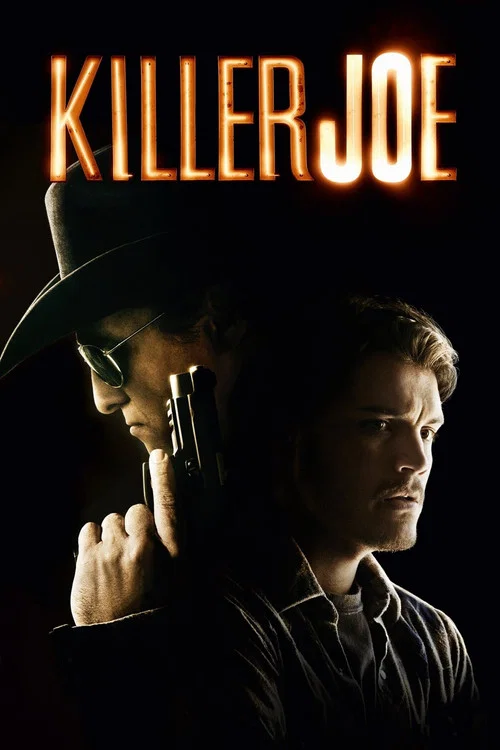
  5. Killer Joe (2012) poster

    Killer Joe

    William Friedkin · 2012

    Joe starts as a courteous professional. Every scene after that, he asks for more and takes more. By the end he has beaten Sharla and forced her into the film's most infamous scene.

    Where to see it: The fried chicken leg scene. Joe makes Sharla simulate oral sex on a chicken leg while Ansel does nothing to stop him.

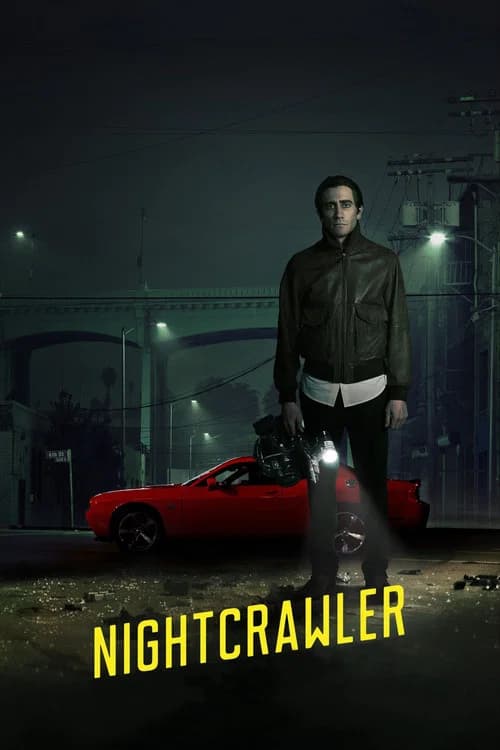
  6. Nightcrawler (2014) poster

    Nightcrawler

    Dan Gilroy · 2014

    Lou crosses a bigger line with each act. He goes from tampering with crime scenes to withholding evidence to sending Rick in to film a gunman who may still be alive. Gilroy sets up each step so it makes sense by Lou's logic. All the while, you get more and more aware of how far you've gone along with him.

    Where to see it: Lou moving a dead body to get a better angle for his shot. This is the moral point of no return in the film. He crosses it with the calm of someone who has decided that nothing is off-limits.

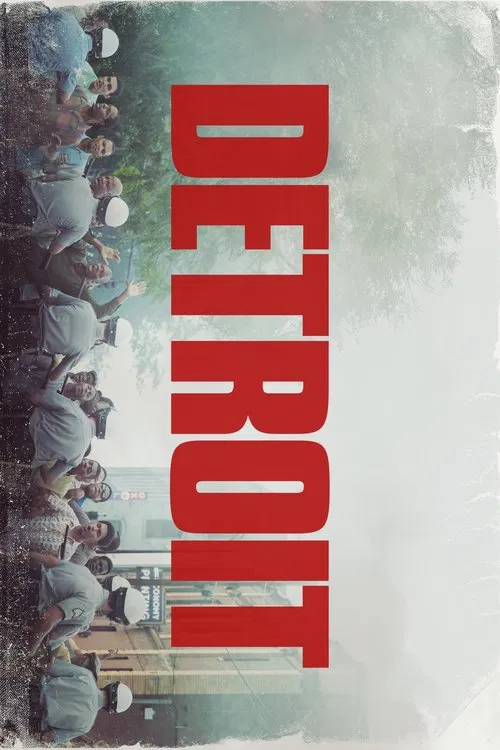
  7. Detroit (2017) poster

    Detroit

    Kathryn Bigelow · 2017

    Krauss gets bolder in each stage. He shoots a looter against orders and keeps his job. At the Algiers he shoots Carl as he runs, plants a knife next to the body and moves on to beatings and mock executions. You never know how far he will go.

    Where to see it: The mock executions: Krauss orders suspects taken one by one into different rooms to be mock-executed so the others will confess.

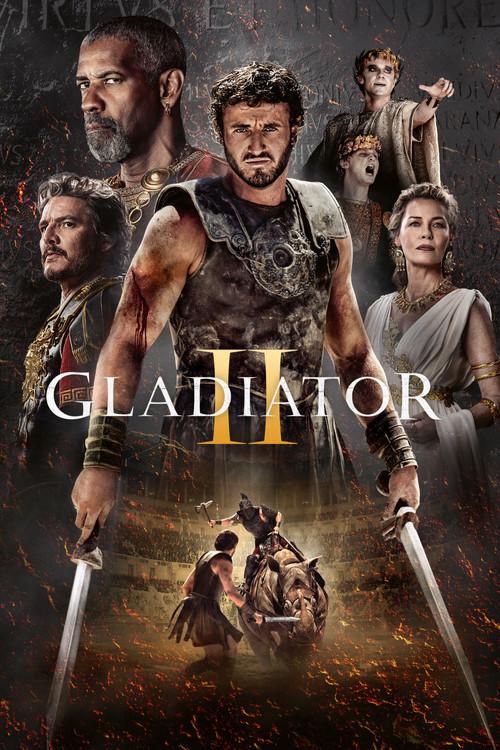
  8. Gladiator II (2024) poster

    Gladiator II

    Ridley Scott · 2024

    Caracalla becomes more unpredictable as the film goes on. His behavior moves from cruel to absurd, and the people around him can never relax. The fear comes from not knowing what he will do next.

    Where to see it: The consul monkey: Caracalla grows more erratic and names his monkey, Dondus, a consul.

Questions

Quick answers

What is escalating villain intensity in film?
Making a villain or anti-hero more extreme as the film goes on, with each act bolder and harder to predict. The fear comes from never knowing what they will do next.
Which films use escalating villain intensity?
All About Eve (1950), Scarface (1983), Cape Fear (1991), Léon: The Professional (1994), Killer Joe (2012), Nightcrawler (2014) and 2 more films in the CineCode library.
What kind of technique is escalating villain intensity?
It is a narrative technique. Related narrative techniques include Frame Narrative as Trap, Voiceover as Seduction, Dramatic Irony.