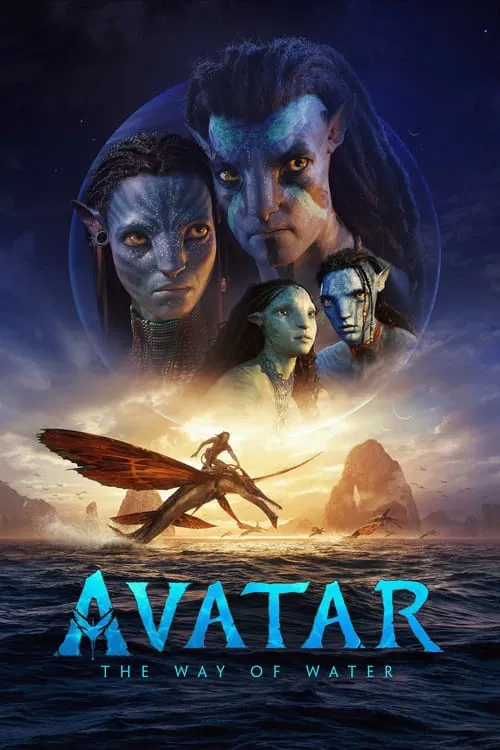

Comparison · 3 shared techniques

Avatar: The Way of Water vs Avatar: Fire and Ash

Avatar: The Way of Water (2022) and Avatar: Fire and Ash (2025) share 3 techniques. Here is how each film uses them.

Shared

Same technique, two films

Tonal Succession

Switching to a clearly different look and mood from one part to the next, either between chapters of 1 film or between a film and its sequel.

Avatar: The Way of Water

The first film was a green forest and this one is a bright blue sea. The look, the pacing and the mood shift with the setting. Each film feels like its own chapter in a larger story.

Avatar: Fire and Ash

After the blue sea of the last film, this one moves into a world of volcanic ash and fire. Cameron said fire refers to anger, hatred and violence, and ash to grief and loss. The look and mood shift with the characters' pain.

Ecological Animism

Treating nature as alive and aware, with its own will, hierarchy and sacred status. Animals and spirits respond to people, which argues that the natural world has value of its own.

Avatar: The Way of Water

Lo'ak bonds with Payakan, an exiled tulkun, and the clan treats the tulkun as family. The humans hunt them for profit, and the film frames that as a crime against a person. The sea has its own will and its own spirits.

Avatar: Fire and Ash

Kiri finally communicates with Eywa, the spirit of the planet. In reply, the wildlife of Pandora attacks the remaining human forces. Nature responds like a living being.

Performance Capture

Recording an actor's body and face with sensors, then transferring the movement onto a digital character. The actor's subtle expressions carry over to a creature that does not exist.

Avatar: The Way of Water

The crew built a new underwater system that used ultraviolet light, since infrared is absorbed by water. Actors were trained to hold their breath and perform underwater. The swimming and diving you see on screen is based on real performances.

Avatar: Fire and Ash

The Ash People and the Sully children are all performed by actors and then built in digital form. The effects team won a Visual Effects Society award for the Varang character. You see Oona Chaplin's performance in her face.

Different

Where they split