Science Fiction · Adventure · Action

Avatar: Fire and Ash

James Cameron, 2025

The Sully family is still grieving the death of their eldest son when a new Na'vi clan, the aggressive Ash People, attacks and teams up with Colonel Quaritch. Jake has to rally the clans again. Watch how Cameron pushes his world into a darker, hotter place.

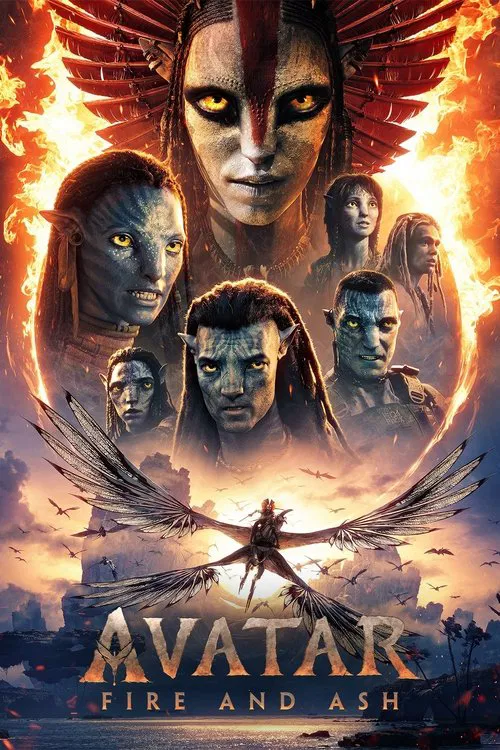
Avatar: Fire and Ash (2025) poster

At a glance

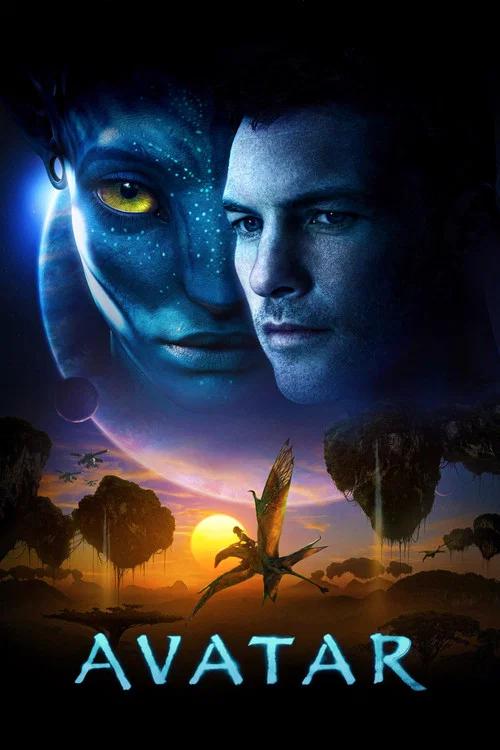
Avatar: Fire and Ash is a 2025 science fiction, adventure and action film directed by James Cameron. This breakdown covers 5 techniques (3 narrative, 1 cinematography and 1 sound), each with the scene where you can see it. If you like how it is made, Avatar uses several of the same techniques.

Narrative

Tonal Succession

Switching to a clearly different look and mood from one part to the next, either between chapters of 1 film or between a film and its sequel.

How this film uses it

After the blue sea of the last film, this one moves into a world of volcanic ash and fire. Cameron said fire refers to anger, hatred and violence, and ash to grief and loss. The look and mood shift with the characters' pain.

Where to see it

The Ash People: the Sullys meet the Mangkwan, whose land is volcanic.
Narrative

Ambiguous Antagonist

Writing an opponent the film never fully labels as evil. Their motives mix ordinary human wants with real harm, and they may even help the hero grow.

How this film uses it

Varang leads the Mangkwan, and the film shows what her people have been through. Cameron said her clan's hardship hardened her and she will do anything for them. Her cruelty comes from the same wants as the heroes.

Where to see it

The ambush: Varang's Mangkwan raid the Windtraders' convoy of airships and Quaritch captures Jake.

Narrative

Ecological Animism

Treating nature as alive and aware, with its own will, hierarchy and sacred status. Animals and spirits respond to people, which argues that the natural world has value of its own.

How this film uses it

Kiri finally communicates with Eywa, the spirit of the planet. In reply, the wildlife of Pandora attacks the remaining human forces. Nature responds like a living being.

Where to see it

The turning point: Kiri connects with Eywa, and Pandoran wildlife attacks the RDA forces.

Cinematography

Performance Capture

Recording an actor's body and face with sensors, then transferring the movement onto a digital character. The actor's subtle expressions carry over to a creature that does not exist.

How this film uses it

The Ash People and the Sully children are all performed by actors and then built in digital form. The effects team won a Visual Effects Society award for the Varang character. You see Oona Chaplin's performance in her face.

Where to see it

Varang: the leader of the Mangkwan is played by Oona Chaplin and built as a digital character.

Sound

Constructed Sound Language

Inventing a consistent set of sounds for the film, sometimes a whole non-human language. Over time, you learn to read those sounds as clearly as the images.

How this film uses it

A song on the film's soundtrack, "The Future and the Past", is sung in Na'vi by Zoe Saldaña. Na'vi has grown into a full language across the series. Hearing it again ties this film back to the first.

Where to see it

The soundtrack: the album ends with "The Future and the Past", sung in Na'vi.

Questions

Avatar: Fire and Ash: quick answers

What filmmaking techniques does Avatar: Fire and Ash use?
CineCode breaks down 5 techniques in Avatar: Fire and Ash (2025): Tonal Succession, Ambiguous Antagonist, Ecological Animism, Performance Capture and Constructed Sound Language.
Who directed Avatar: Fire and Ash?
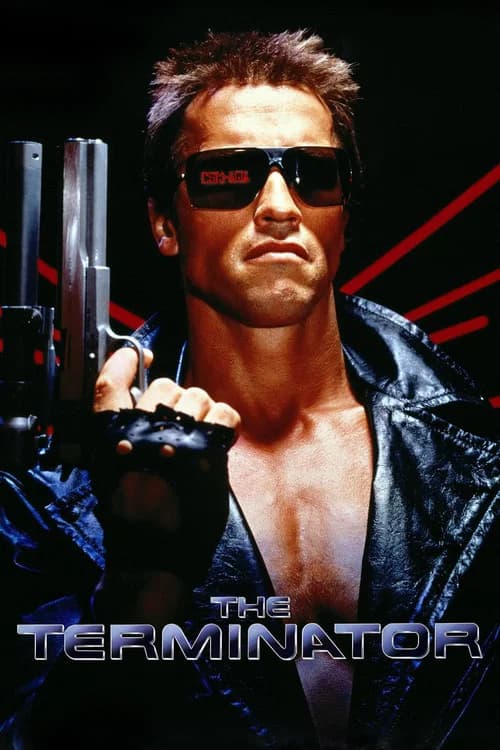
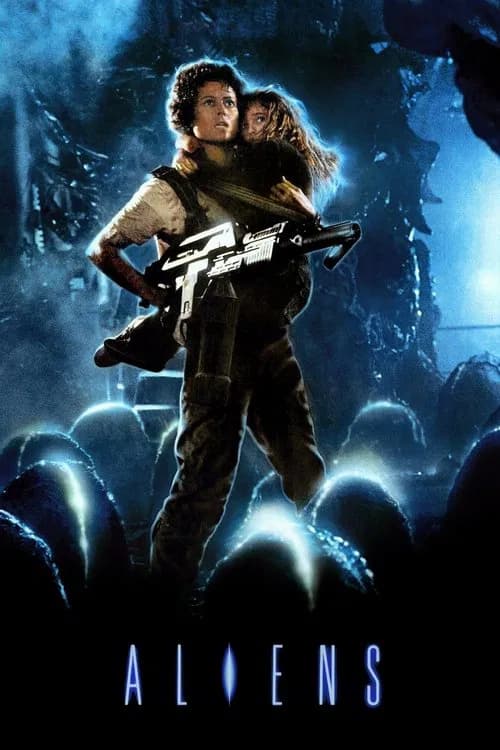
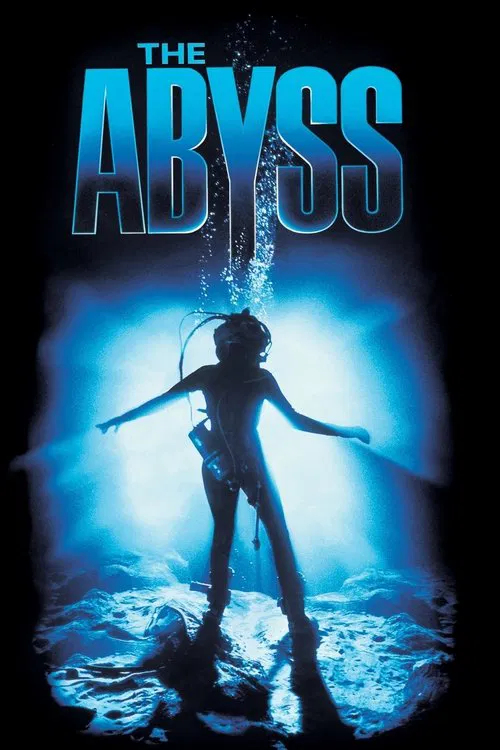
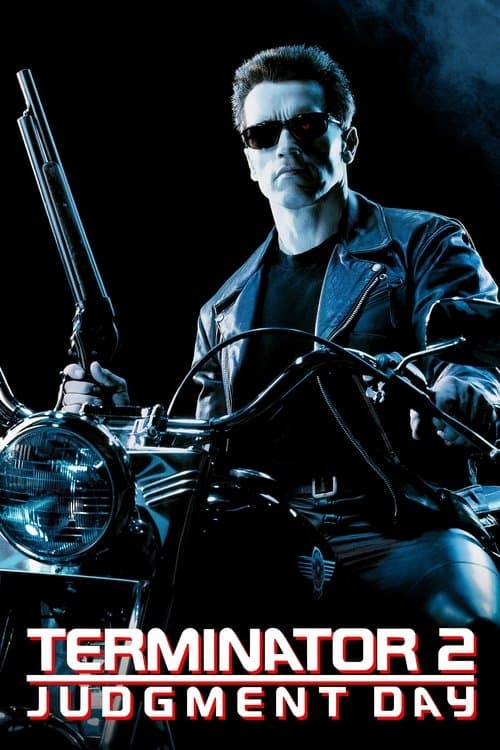
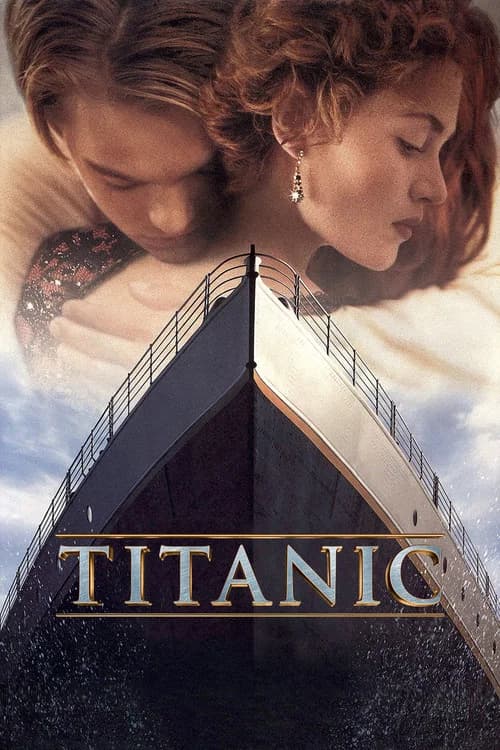
James Cameron directed Avatar: Fire and Ash, released in 2025. CineCode also covers The Terminator (1984), Aliens (1986), The Abyss (1989), Terminator 2: Judgment Day (1991), True Lies (1994), Titanic (1997).
What films are similar to Avatar: Fire and Ash?
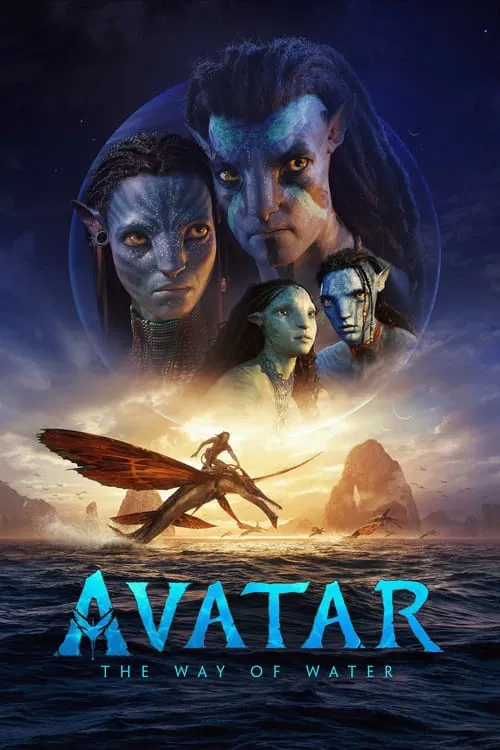
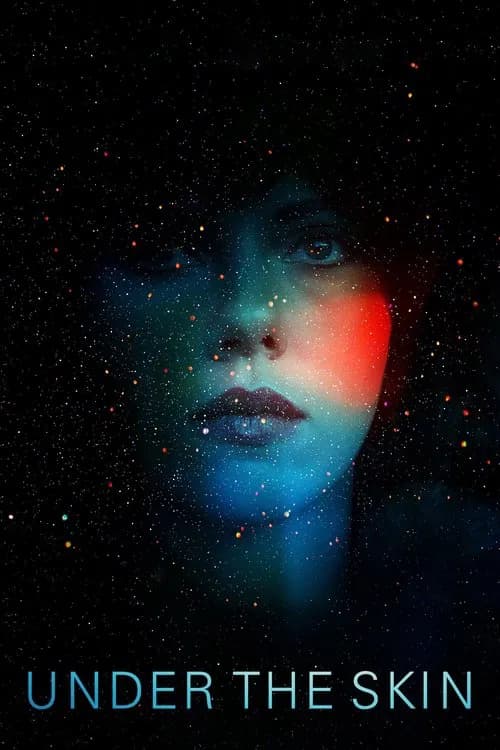
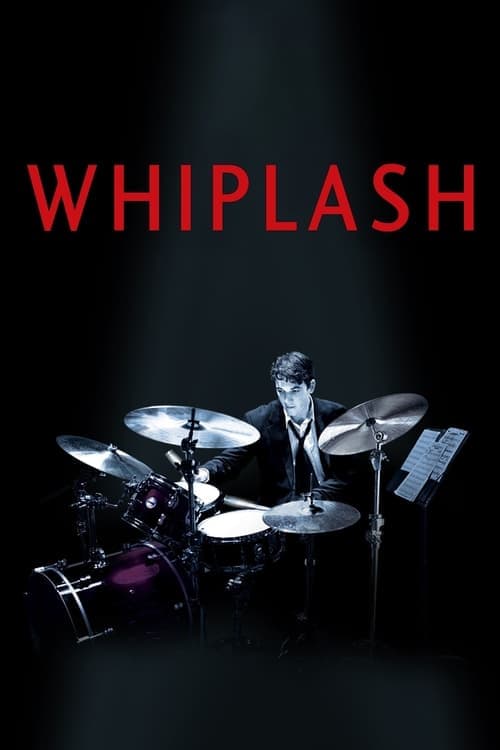
Films that share techniques with Avatar: Fire and Ash include Avatar (2009), Avatar: The Way of Water (2022), Under the Skin (2013), Whiplash (2014).