Science Fiction · Adventure · Action

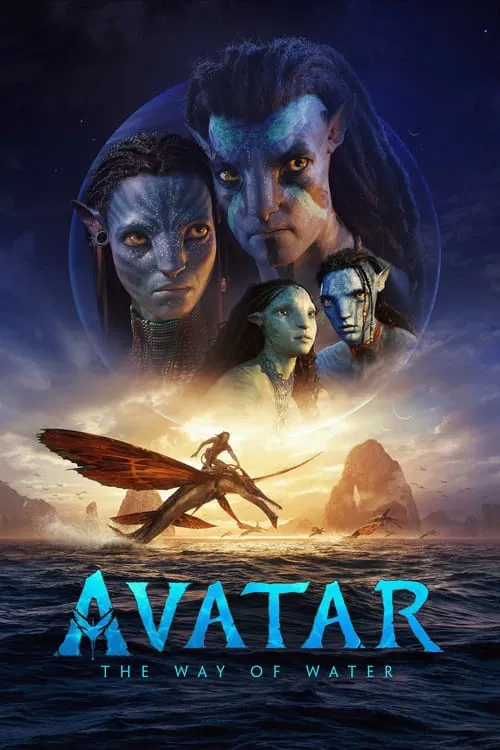
Avatar: The Way of Water

James Cameron, 2022

Sixteen years after the first film, Jake Sully's family flees the returning human forces and takes shelter with a reef clan in Pandora's eastern sea. His son Lo'ak befriends an outcast whale-like creature called a tulkun. Watch how Cameron moves his camera and his actors underwater.

Avatar: The Way of Water (2022) poster

At a glance

Avatar: The Way of Water is a 2022 science fiction, adventure and action film directed by James Cameron. This breakdown covers 5 techniques (1 cinematography, 3 narrative and 1 editing), each with the scene where you can see it. If you like how it is made, Avatar: Fire and Ash uses several of the same techniques.

Cinematography

Performance Capture

Recording an actor's body and face with sensors, then transferring the movement onto a digital character. The actor's subtle expressions carry over to a creature that does not exist.

How this film uses it

The crew built a new underwater system that used ultraviolet light, since infrared is absorbed by water. Actors were trained to hold their breath and perform underwater. The swimming and diving you see on screen is based on real performances.

Where to see it

The reef: the Sully children learn to swim and dive with the Metkayina.
Narrative

Ecological Animism

Treating nature as alive and aware, with its own will, hierarchy and sacred status. Animals and spirits respond to people, which argues that the natural world has value of its own.

How this film uses it

Lo'ak bonds with Payakan, an exiled tulkun, and the clan treats the tulkun as family. The humans hunt them for profit, and the film frames that as a crime against a person. The sea has its own will and its own spirits.

Where to see it

Quaritch hunts the tulkun: Quaritch burns Metkayina dwellings and hunts tulkun to draw Jake out.

Narrative

Tonal Succession

Switching to a clearly different look and mood from one part to the next, either between chapters of 1 film or between a film and its sequel.

How this film uses it

The first film was a green forest and this one is a bright blue sea. The look, the pacing and the mood shift with the setting. Each film feels like its own chapter in a larger story.

Where to see it

The move to the reef: the Sullys leave the forest and arrive at the Metkayina clan in Pandora's eastern sea.

Narrative

Slow Build Runtime

Running the film longer than its genre normally needs, on purpose. The extra time lets you live with the characters, so the emotional payoff feels in proportion to the wait.

How this film uses it

The film runs over 3 hours and spends a long middle section on daily life with the reef clan. That time makes the reef feel like a home, so you care when it burns. The wait pays off in the final battle.

Where to see it

Life with the Metkayina: Lo'ak and Kiri settle into the reef, and Kiri connects with the Spirit Tree.

Editing

Kinetic Set Piece Architecture

Building an action sequence as a chain where each solution creates a new problem. The layout of the space stays clear, so the escalation follows its own logic.

How this film uses it

The final battle is a chain of problems, and each escape leads into a new danger. The ship, the water and the family's positions stay clear. You always know where the Sullys are and what stands in their way.

Where to see it

The final battle: Quaritch's attack on the Sullys leads to a fight in which Neteyam is killed, and Jake decides to stand against the RDA.

Questions

Avatar: The Way of Water: quick answers

What filmmaking techniques does Avatar: The Way of Water use?
CineCode breaks down 5 techniques in Avatar: The Way of Water (2022): Performance Capture, Ecological Animism, Tonal Succession, Slow Build Runtime and Kinetic Set Piece Architecture.
Who directed Avatar: The Way of Water?
James Cameron directed Avatar: The Way of Water, released in 2022. CineCode also covers The Terminator (1984), Aliens (1986), The Abyss (1989), Terminator 2: Judgment Day (1991), True Lies (1994), Titanic (1997).
What films are similar to Avatar: The Way of Water?
Films that share techniques with Avatar: The Way of Water include Avatar: Fire and Ash (2025), Hulk (2003), Avatar (2009), Indiana Jones and the Temple of Doom (1984).