Narrative technique · used in 15 films

Slow Build Runtime

Running the film longer than its genre normally needs, on purpose. The extra time lets you live with the characters, so the emotional payoff feels in proportion to the wait.

Examples

15 films that use it

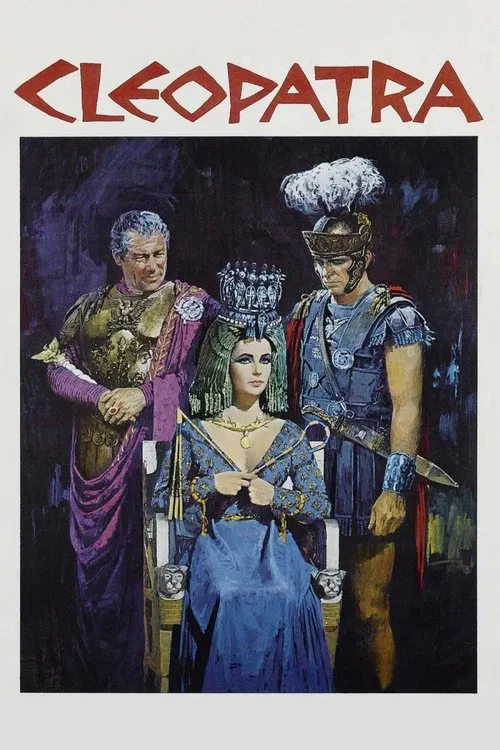
  1. Cleopatra (1963) poster

    Cleopatra

    Joseph L. Mankiewicz · 1963

    The film runs over 3 hours in every version. The premiere cut ran about 244 minutes and a 2013 restoration runs 4 hours and 8 minutes. The length gives its two love stories room to develop, with long stretches of politics between them.

    Where to see it: The meeting at Tarsus. Cleopatra meets Antony on her royal barge, and their affair begins.
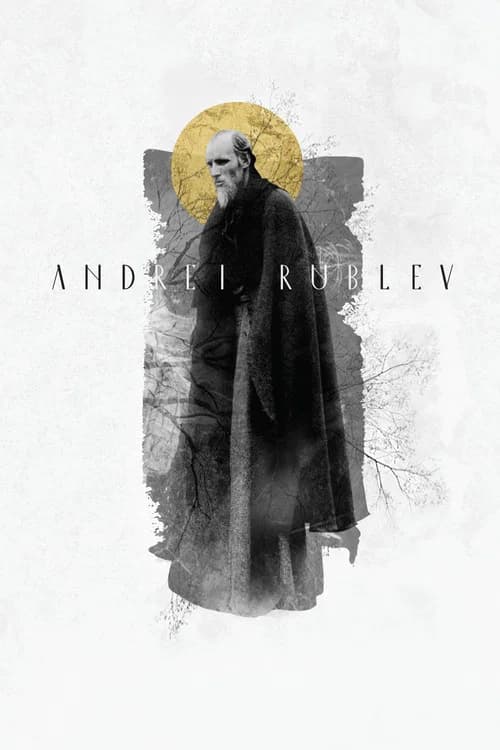
  2. Andrei Rublev (1966) poster

    Andrei Rublev

    Andrei Tarkovsky · 1966

    At over 3 hours, Andrei Rublev demands the same patience it shows on screen. The length is the point. You can't shorten the suffering Rublev witnesses and the art he finally produces without losing what makes them meaningful. The runtime is the price you pay for the final color sequence.

    Where to see it: The black-and-white episodes, one after another. They build up the weight of time, violence and silence. The final color sequence of Rublev's icons has to earn its place against that.

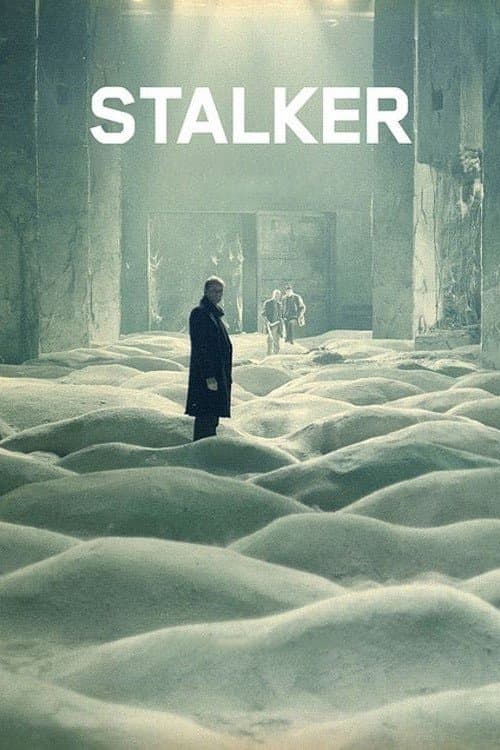
  3. Stalker (1979) poster

    Stalker

    Andrei Tarkovsky · 1979

    At over 160 minutes, Stalker moves at a pace that can't be hurried. The long takes of grass and water and the silence of the Zone are the substance of the film. The runtime pushes you into its meditative mood, and patience is required here.

    Where to see it: The extended journey sequences across the Zone's waterlogged landscape. The camera lingers on textures and movements that the plot has no direct use for.

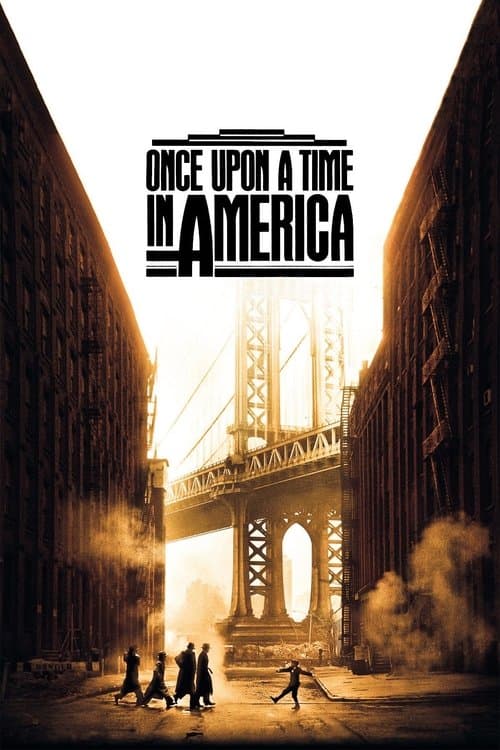
  4. Once Upon a Time in America (1984) poster

    Once Upon a Time in America

    Sergio Leone · 1984

    Leone's film runs nearly 4 hours, and it asks you to experience time the way Noodles does. The past can't be compressed, memory can't be sped up and grief doesn't resolve. The length makes a point, since you cannot rush through a life. I never felt it as an epic showing off.

    Where to see it: The extended childhood sequences. The friendships that shaped him and his first crimes get their full time, with no montage to speed through them. The film insists that the length is the meaning.

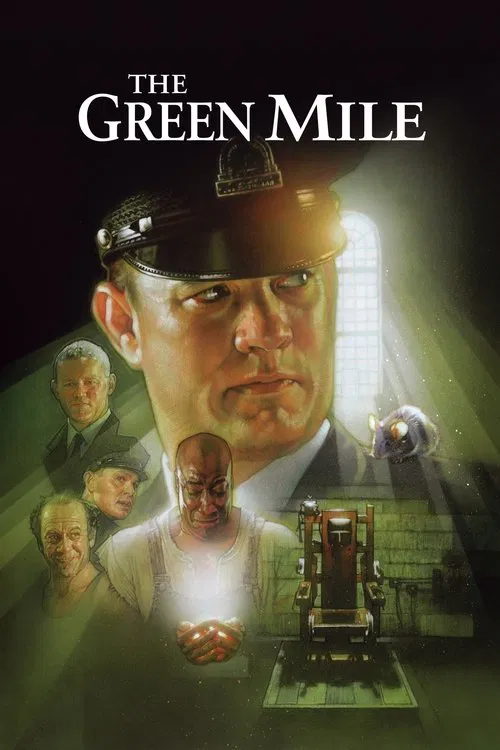
  5. The Green Mile (1999) poster

    The Green Mile

    Frank Darabont · 1999

    The Green Mile runs 3 hours and 9 minutes. It uses that time to give the main death row prisoners stories of their own before their executions. The length is what makes each death hit so hard, because you already care about these men well before they die.

    Where to see it: Del's execution. It is devastating because you have spent time getting to know him.

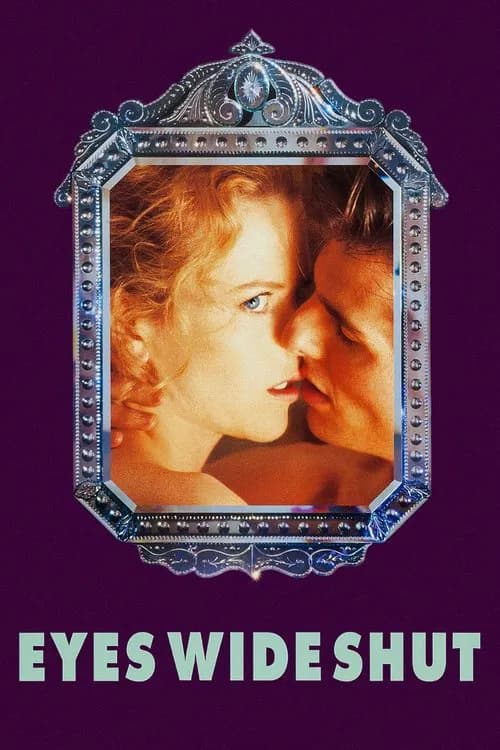
  6. Eyes Wide Shut (1999) poster

    Eyes Wide Shut

    Stanley Kubrick · 1999

    The 159-minute runtime matches Bill's long journey. Each encounter runs just past the point of comfort. You get the same paranoid feeling he has, that the night will never end.

    Where to see it: Bill's 2 visits to Milich's costume shop, first to rent the costume and then to return it. Each visit is slightly more unsettling than the last.

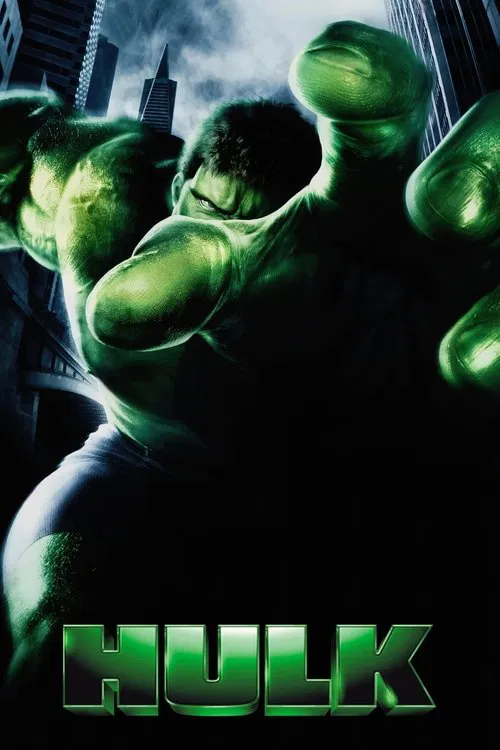
  7. Hulk (2003) poster

    Hulk

    Ang Lee · 2003

    Lee spends a long stretch on Bruce's parents, his work and his relationship with Betty before the Hulk takes over. Reviewers called the pace slow, but the wait lets you care about a man who is afraid of his own anger.

    Where to see it: Lab accident: Bruce saves a colleague from a malfunctioning gammasphere and is hit by radiation. He wakes in hospital feeling better than ever, and only later transforms and wrecks the lab.

  8. King Kong (2005) poster

    King Kong

    Peter Jackson · 2005

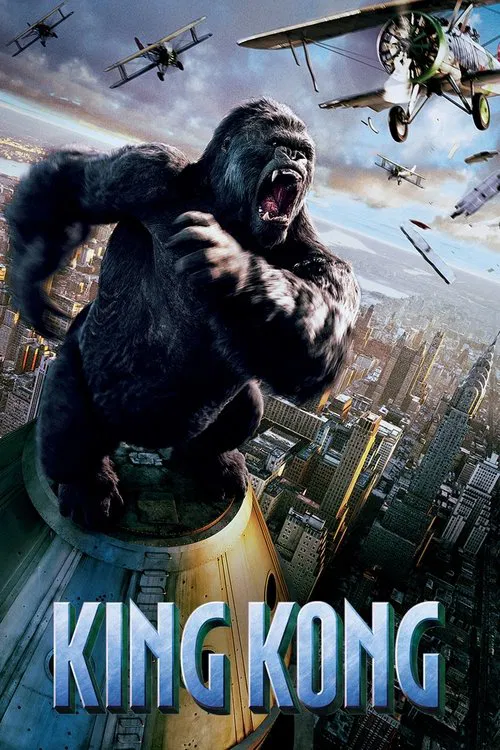
    At 187 minutes, the film takes its time before the ape shows up in full. The opening New York scenes and the sea voyage give you time to care about Ann, Carl and the crew. That makes the later rampage and the ending hit harder.

    Where to see it: Voyage to Skull Island: The Venture runs aground on the island, well after the film has spent time on its people.

  9. Boyhood (2014) poster

    Boyhood

    Richard Linklater · 2014

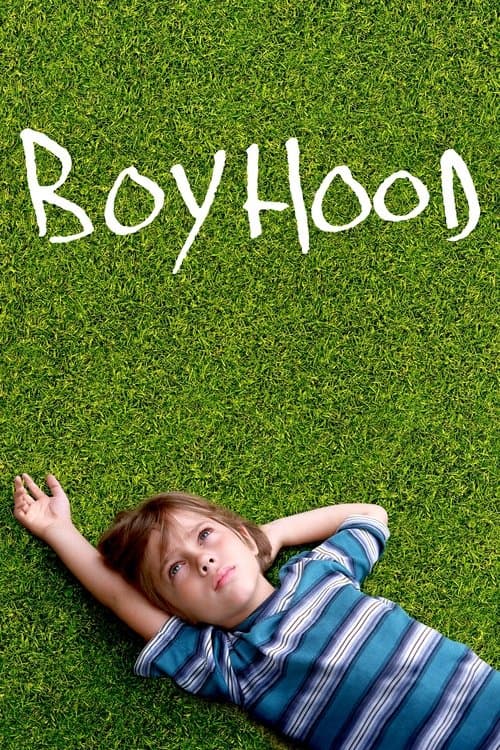
    The film runs for nearly 3 hours, and that length is how it makes its point. Each small scene is unremarkable on its own. As they pile up, you start to feel time the way you live through it.

    Where to see it: The transitions from year to year. There are no title cards, so the only clues are haircuts, heights and the music playing in the background.

  10. Blade Runner 2049 (2017) poster

    Blade Runner 2049

    Denis Villeneuve · 2017

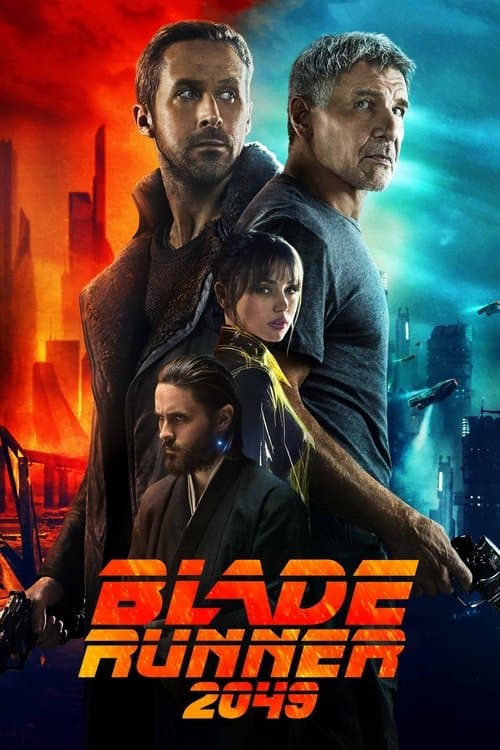
    At 163 minutes, Blade Runner 2049 makes you feel time the way its subject demands. It is set in a near-future world after ecological collapse, where time has stretched out. The pacing turns down the usual thriller momentum. It builds its questions slowly enough that you end up living inside them.

    Where to see it: The long protein farm opening. K's arrival and the fight with Sapper move at a pace the film will keep throughout. From the first scene, the length is presented as something to live through.

  11. A Ghost Story (2017) poster

    A Ghost Story

    David Lowery · 2017

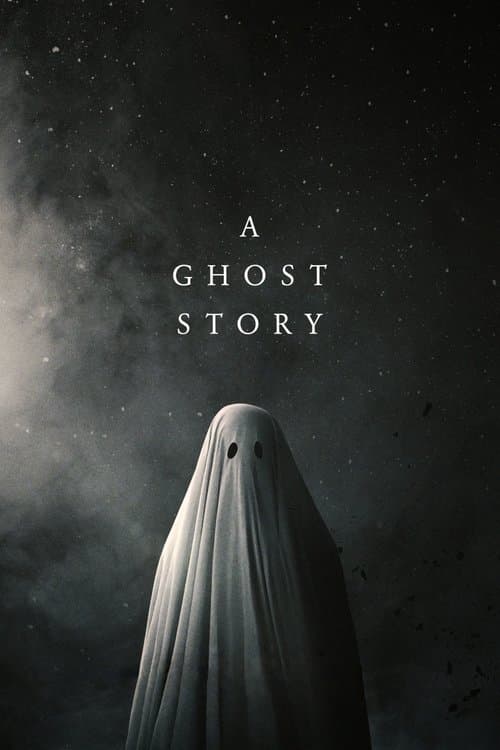
    The film is 92 minutes and feels longer. Lowery holds every shot past the point of comfort. You experience time the way the ghost does: shapeless, unending and broken up only by other people's lives passing through.

    Where to see it: The time-acceleration sequence. Decades of the house's history go by in a matter of minutes, and then time slows down again. Lowery uses that change of speed to make you feel his point.

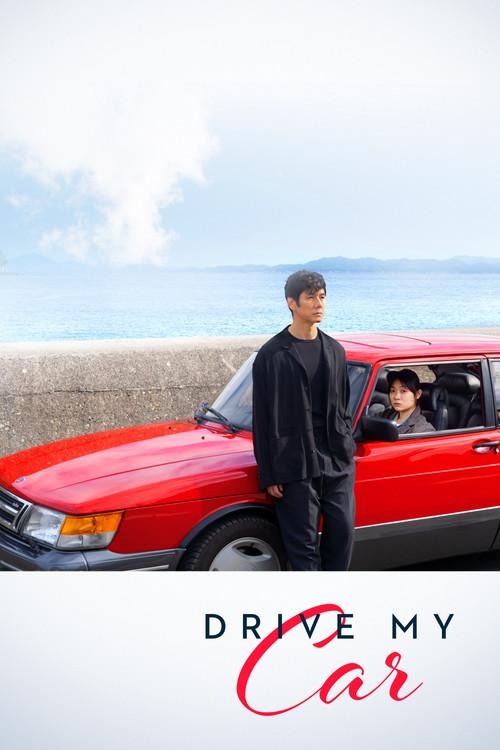
  12. Drive My Car (2021) poster

    Drive My Car

    Ryusuke Hamaguchi · 2021

    At nearly 3 hours, Drive My Car is hard to summarize. Each car journey, each rehearsal and each meal adds to a picture of grief that could not exist in a shorter film.

    Where to see it: The repeated car journeys between Kafuku's apartment and the theater. The car becomes a place for confession, where both characters gradually drop their protective silences.

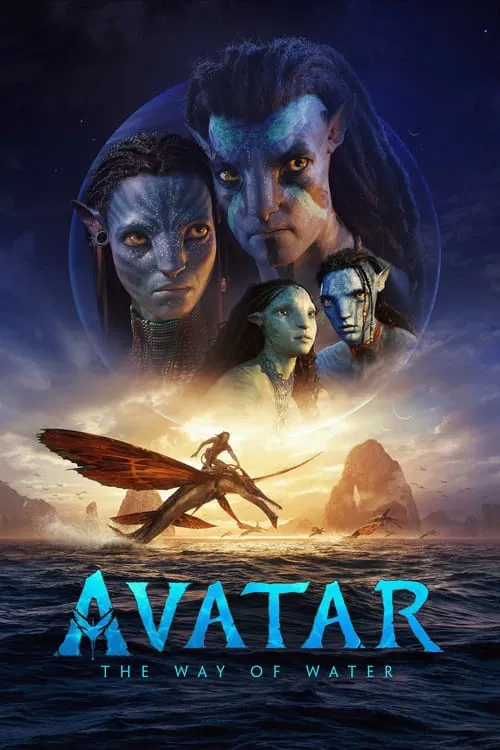
  13. Avatar: The Way of Water (2022) poster

    Avatar: The Way of Water

    James Cameron · 2022

    The film runs over 3 hours and spends a long middle section on daily life with the reef clan. That time makes the reef feel like a home, so you care when it burns. The wait pays off in the final battle.

    Where to see it: Life with the Metkayina: Lo'ak and Kiri settle into the reef, and Kiri connects with the Spirit Tree.

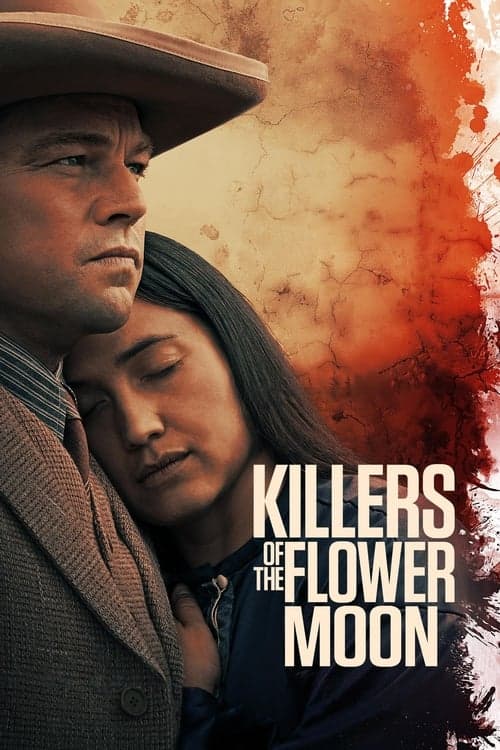
  14. Killers of the Flower Moon (2023) poster

    Killers of the Flower Moon

    Martin Scorsese · 2023

    At 3 and a half hours, the film uses its length so the murders feel the way they were experienced. That is, as a slow horror in the background that was ignored for years because the perpetrators controlled the story.

    Where to see it: The accumulation of Osage deaths over the film's first 2 hours. Each one is noted and mourned but never investigated. The sheer length makes you feel the indifference of the institutions.

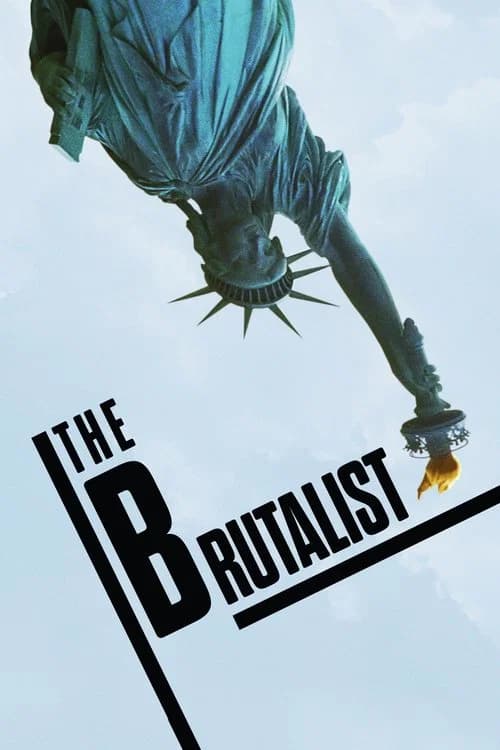
  15. The Brutalist (2024) poster

    The Brutalist

    Brady Corbet · 2024

    The film runs 3 and a half hours with an intermission, and I feel like it earns that epic length. László's story can't be told in 2 hours. You have to live with the cost of creating something for a long time before you understand the price.

    Where to see it: The second half, which begins after the intermission with a disorienting time jump. The gap between the halves makes a point about how much of any life we miss.

Questions

Quick answers

What is slow build runtime in film?
Running the film longer than its genre normally needs, on purpose. The extra time lets you live with the characters, so the emotional payoff feels in proportion to the wait.
Which films use slow build runtime?
Cleopatra (1963), Andrei Rublev (1966), Stalker (1979), Once Upon a Time in America (1984), The Green Mile (1999), Eyes Wide Shut (1999) and 9 more films in the CineCode library.
What kind of technique is slow build runtime?
It is a narrative technique. Related narrative techniques include Ceremonial Pacing, Observational Restraint, Symbolic Object.