Narrative technique · used in 18 films

Tonal Succession

Switching to a clearly different look and mood from one part to the next, either between chapters of 1 film or between a film and its sequel.

Examples

18 films that use it

  1. High and Low (1963) poster

    High and Low

    Akira Kurosawa · 1963

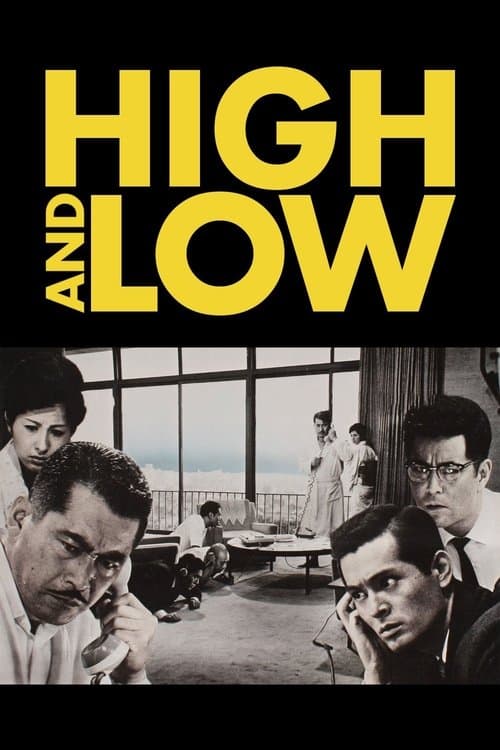
    The film breaks cleanly in 2. The first act is a moral thriller at home, confined to Gondo's house. The second is a police procedural in the city below. The change in style matches what the film is saying about class.

    Where to see it: The start of the police investigation. Once it begins in earnest, the look of the film shifts from indoor drama to a procedural shot on location.
  2. Kramer vs. Kramer (1979) poster

    Kramer vs. Kramer

    Robert Benton · 1979

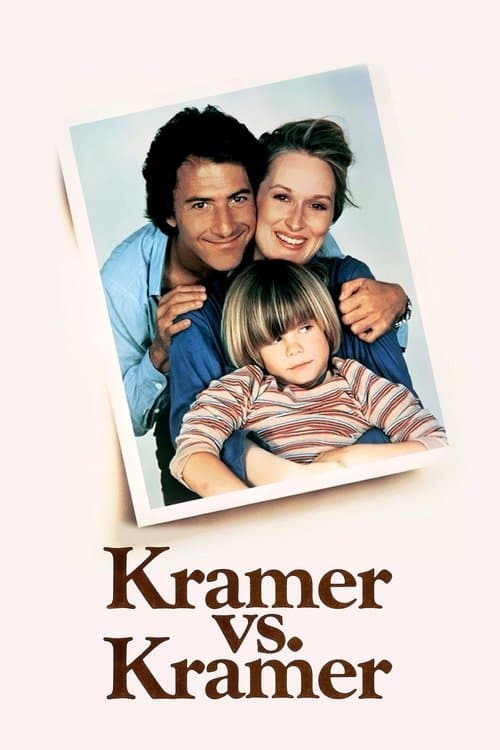
    The film starts as domestic farce (the French toast disasters, Ted's panic at single parenthood). It moves through tender growth and ends in a devastating legal battle. Each mood is earned by the one before it.

    Where to see it: Joanna's reappearance. The tone turns here. The comedy of Ted's new competence runs into the tragedy of her return.

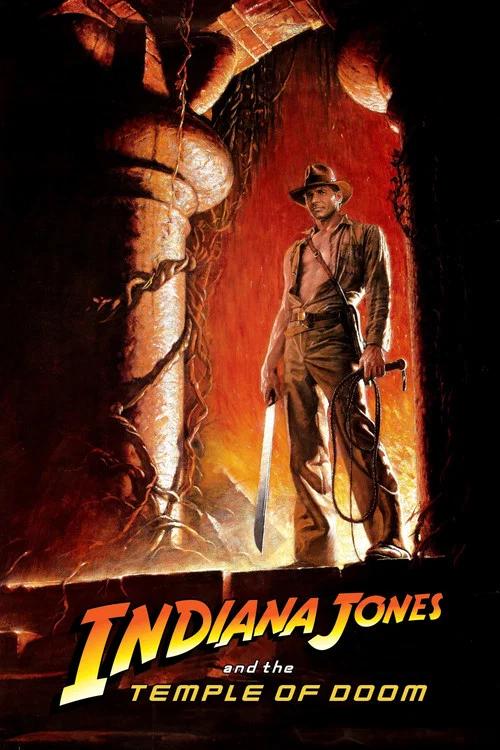
  3. Indiana Jones and the Temple of Doom (1984) poster

    Indiana Jones and the Temple of Doom

    Steven Spielberg · 1984

    George Lucas set the film a year before Raiders, and it became much darker. The film has gross-out food, a human sacrifice and enslaved children. It feels like a different movie from the first one, even with the same hero.

    Where to see it: The Thuggee ritual. Mola Ram drugs Indy and prepares a human sacrifice, and Short Round breaks the spell.

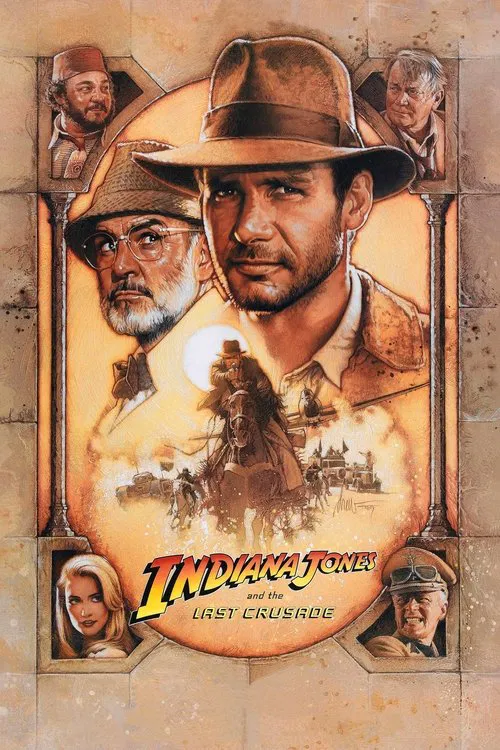
  4. Indiana Jones and the Last Crusade (1989) poster

    Indiana Jones and the Last Crusade

    Steven Spielberg · 1989

    After the reception of Temple of Doom, Spielberg wanted a lighter, funnier film. The sequel brings back humor and a warmer mood. The shift from the previous film is easy to notice.

    Where to see it: The Brunwald Castle scenes, where Indy finds his father. Their bickering sets a lighter tone than Temple of Doom had.

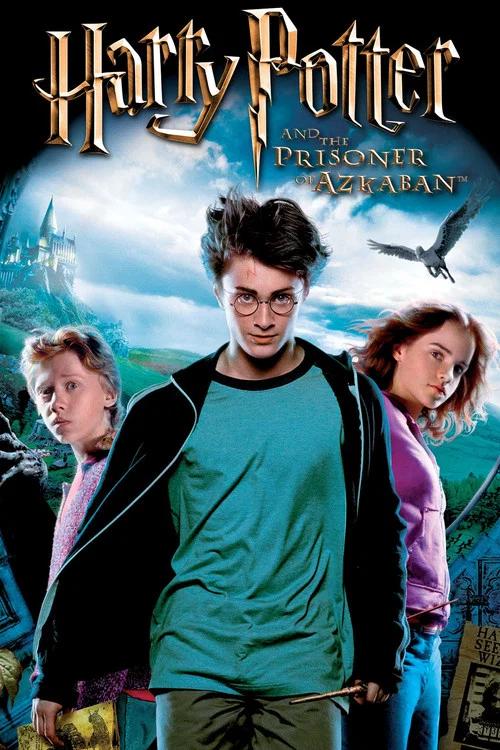
  5. Harry Potter and the Prisoner of Azkaban (2004) poster

    Harry Potter and the Prisoner of Azkaban

    Alfonso Cuarón · 2004

    The first 2 films were bright and mostly shot in the studio. Cuarón moved much of the shoot to real locations in Scotland and London, put the kids in everyday clothes and let the camera roam. The world suddenly feels colder and more real.

    Where to see it: The opening. Harry hides under his blankets at the Dursleys' house, secretly practicing a light spell with his wand at night.

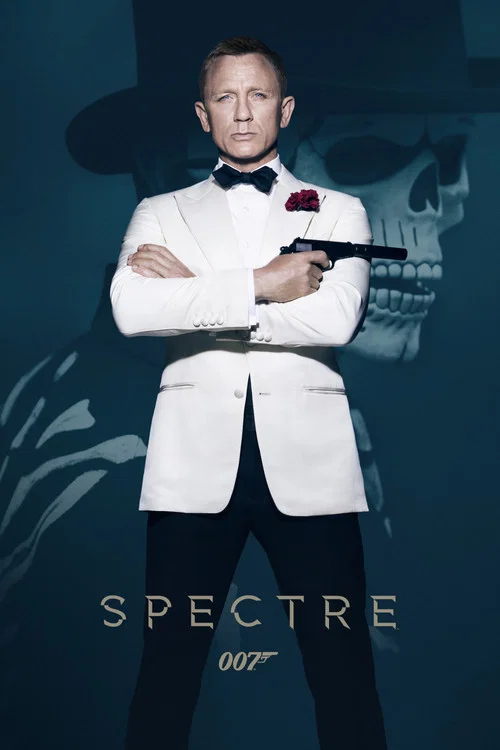
  6. Spectre (2015) poster

    Spectre

    Sam Mendes · 2015

    Spectre follows Skyfall with a different look. Skyfall was shot only on digital cameras, while Hoyte van Hoytema shot most of Spectre on Kodak 35mm film. Where Skyfall felt sleek and cold, the sequel feels warm and grainy.

    Where to see it: The Day of the Dead sequence: The Mexico City opening around the Zócalo is shot by Hoyte van Hoytema, who replaced Roger Deakins and shot mostly on 35mm film.

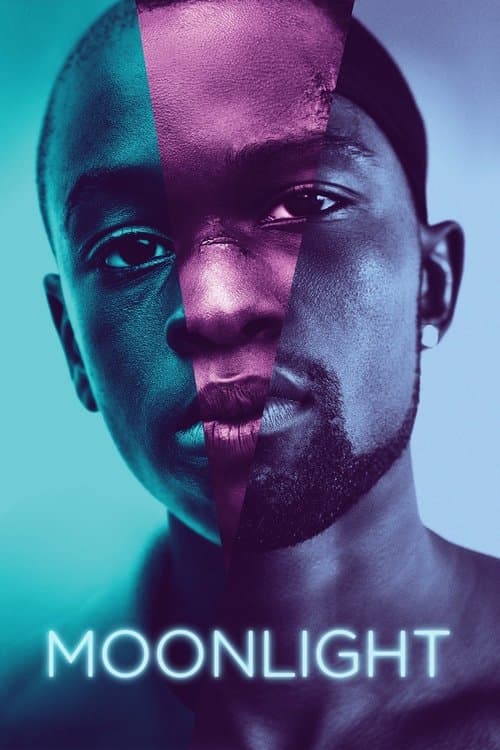
  7. Moonlight (2016) poster

    Moonlight

    Barry Jenkins · 2016

    The 3 chapters (Little, Chiron, Black) each have their own look and mood. The child's chapter is soaked in blue and feels fluid, with the camera moving along with him. The teenager's is harder and more still. The adult's barely moves at all. It has the stillness of someone who has sealed himself inside a persona. Seen in order, the 3 moods track how he shuts himself down.

    Where to see it: The cut from the teenage chapter to the adult chapter. The mood shifts from violence and vulnerability to the tough shell the adult has built for himself.

  8. Lady Bird (2017) poster

    Lady Bird

    Greta Gerwig · 2017

    Gerwig moves between dry comedy, sharp embarrassment and sudden grief, and you can't predict the switches. That is how being a teenager actually feels. The moods never undercut each other, and they build up over the film.

    Where to see it: The car argument between Lady Bird and her mother, which ends with Lady Bird jumping out the door. It plays as comedy at first. Then the film quietly shows you it is the start of something that will cost them both.

  9. Downsizing (2017) poster

    Downsizing

    Alexander Payne · 2017

    The film opens as a light comedy about shrinking and ends as a story about human extinction. The look and the mood change with each section, so you feel the stakes rise.

    Where to see it: The fjord: Paul, Ngoc Lan and Dusan travel to Norway, where the scientist who created downsizing explains that Arctic methane emissions will end humanity.

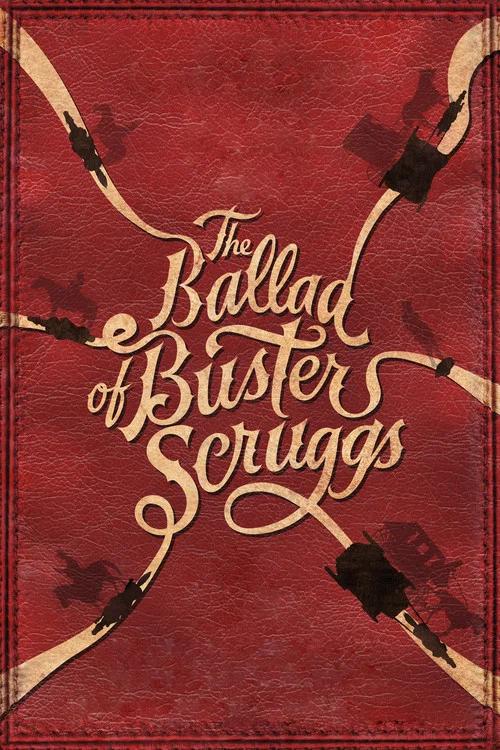
  10. The Ballad of Buster Scruggs (2018) poster

    The Ballad of Buster Scruggs

    Joel Coen, Ethan Coen · 2018

    Each story has a different mood. The title tale is a comic song with a singing cowboy, while Meal Ticket is a bleak story about a showman who trades a performer for a chicken. Moving from joke to sorrow keeps you off balance.

    Where to see it: Meal Ticket. An impresario stops by a bridge, drops a stone to check the river's depth, and drives on with only a caged chicken.

  11. The Worst Person in the World (2021) poster

    The Worst Person in the World

    Joachim Trier · 2021

    Across its 12 chapters, the film moves between romantic comedy, magical realism, sharp grief and quiet realism. Each change of tone follows a different phase of who Julie is becoming. The film slides between genres the same way she refuses to settle on one identity.

    Where to see it: The chapter in which time freezes and Julie runs through Oslo to find Eivind. It is the film's one magical realist sequence. It announces that desire works outside the normal rules of time.

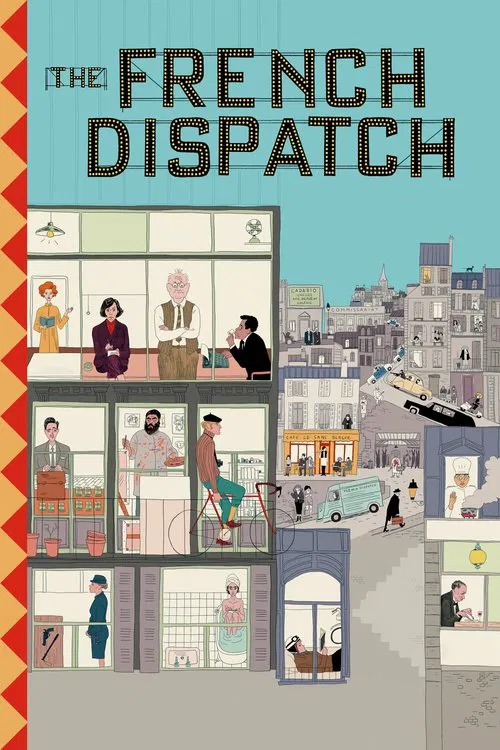
  12. The French Dispatch (2021) poster

    The French Dispatch

    Wes Anderson · 2021

    Each article has its own look and mood: a cheerful city tour, a prison art story, a revolution romance and a kidnapping told as a food story. The film moves from chapter to chapter the way you turn magazine pages, and each one asks you to settle into a new feeling.

    Where to see it: The four articles: Herbsaint Sazerac's bicycle tour gives way to a prison painter, a student uprising and a police commissioner's kidnapped son.

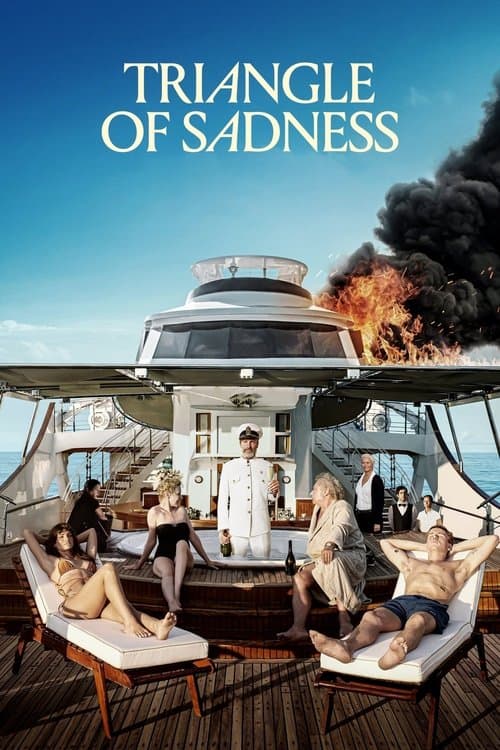
  13. Triangle of Sadness (2022) poster

    Triangle of Sadness

    Ruben Östlund · 2022

    The film has 3 chapters and each has its own tone. The first is a satire of the modeling industry, the second is a grotesque comedy on a luxury yacht and the third is a power reversal on a desert island. Each one resets what kind of film you think you are watching.

    Where to see it: The chapter transition from the yacht chaos to the island. The tone resets, and you are left working out what you just survived and what comes next.

  14. Avatar: The Way of Water (2022) poster

    Avatar: The Way of Water

    James Cameron · 2022

    The first film was a green forest and this one is a bright blue sea. The look, the pacing and the mood shift with the setting. Each film feels like its own chapter in a larger story.

    Where to see it: The move to the reef: the Sullys leave the forest and arrive at the Metkayina clan in Pandora's eastern sea.

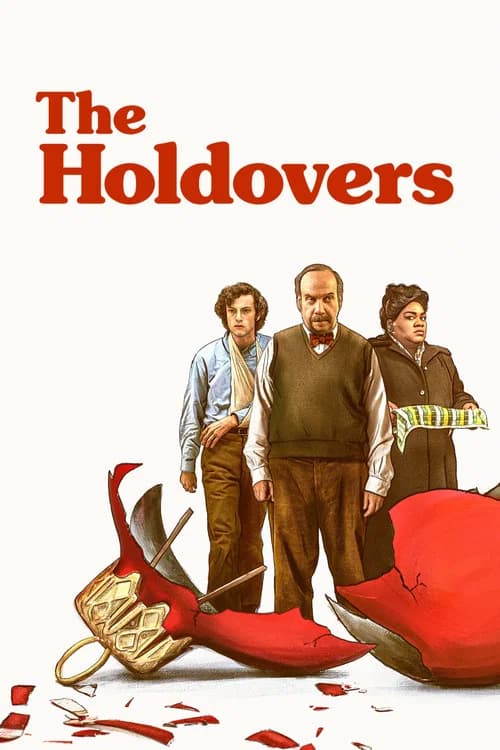
  15. The Holdovers (2023) poster

    The Holdovers

    Alexander Payne · 2023

    Payne moves from dry academic comedy through real warmth into open grief. You learn early that Mary's son was killed in Vietnam, and his death sits underneath the holiday charm the whole time. The change of tone shows you what the comedy was protecting.

    Where to see it: Mary's grief over Curtis at the Christmas Eve party. The film's comedy suddenly carries the weight of the grief it has been holding back.

  16. Anora (2024) poster

    Anora

    Sean Baker · 2024

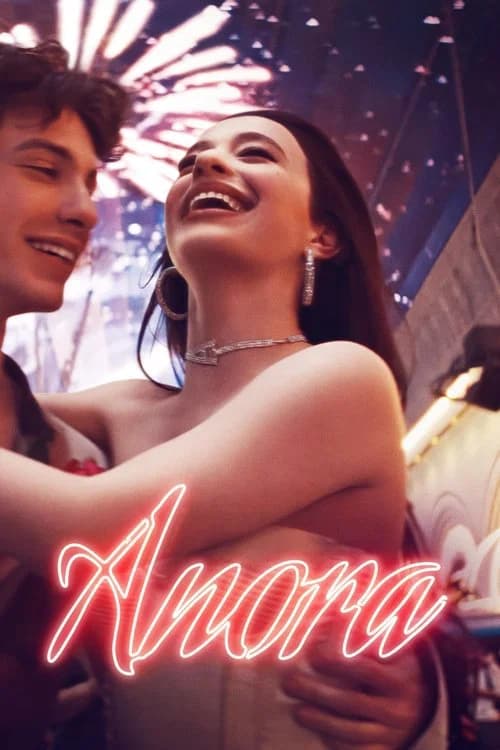
    Baker moves the film through 3 distinct moods: romantic comedy, screwball farce and devastating realism. The genre expectations he builds in the first act make the collapse in the second and third hit harder.

    Where to see it: The arrival of the Russian fixers. Without warning, the romantic comedy tips into physical chaos and then into something sadder.

  17. Avatar: Fire and Ash (2025) poster

    Avatar: Fire and Ash

    James Cameron · 2025

    After the blue sea of the last film, this one moves into a world of volcanic ash and fire. Cameron said fire refers to anger, hatred and violence, and ash to grief and loss. The look and mood shift with the characters' pain.

    Where to see it: The Ash People: the Sullys meet the Mangkwan, whose land is volcanic.

  18. 28 Years Later: The Bone Temple (2026) poster

    28 Years Later: The Bone Temple

    Nia DaCosta · 2026

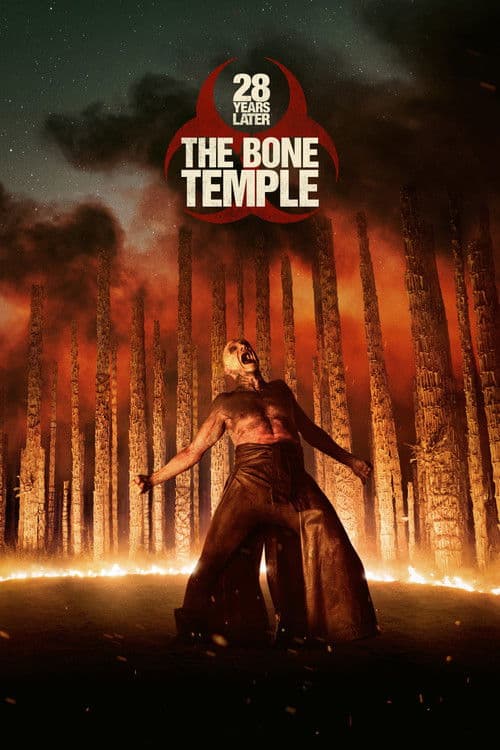
    DaCosta was specifically asked to avoid copying Danny Boyle's instinctive, urgent handheld style. The film still shares a story world with its predecessor. It just tells its part in a very different way, one that is slower and more deliberate, more architectural and more interior.

    Where to see it: The film's opening sequence. You can see the contrast with the fast-moving style of 28 Years Later right away.

Questions

Quick answers

What is tonal succession in film?
Switching to a clearly different look and mood from one part to the next, either between chapters of 1 film or between a film and its sequel.
Which films use tonal succession?
High and Low (1963), Kramer vs. Kramer (1979), Indiana Jones and the Temple of Doom (1984), Indiana Jones and the Last Crusade (1989), Harry Potter and the Prisoner of Azkaban (2004), Spectre (2015) and 12 more films in the CineCode library.
What kind of technique is tonal succession?
It is a narrative technique. Related narrative techniques include Observational Restraint, Retroactive Reframing Revelation, Non-Linear Narrative.