Narrative technique · used in 20 films

Ambiguous Antagonist

Writing an opponent the film never fully labels as evil. Their motives mix ordinary human wants with real harm, and they may even help the hero grow.

Examples

20 films that use it

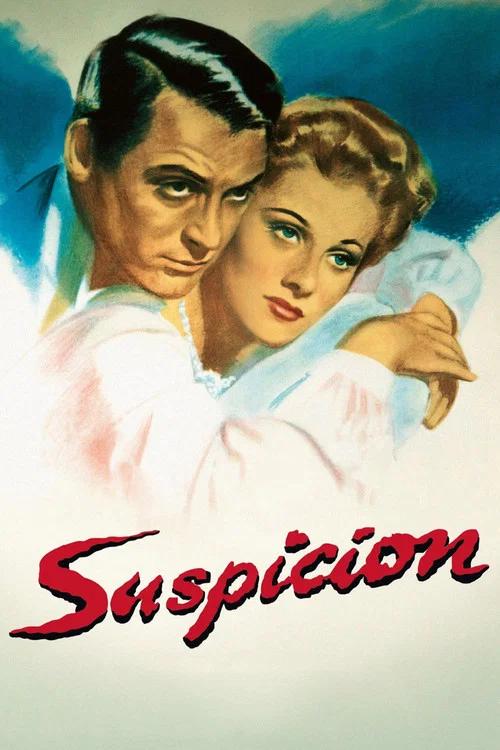
  1. Suspicion (1941) poster

    Suspicion

    Alfred Hitchcock · 1941

    Johnnie is a liar and a thief who also makes Lina laugh and feel wanted. Hitchcock keeps his motives murky, so you can read him as a killer or as a weak man in over his head. His explanation at the end comes only from his own mouth, so you have to decide whether to believe it.

    Where to see it: The cliff road drive. Johnnie speeds along the edge, Lina's car door swings open and he reaches toward her. He later says he planned to end his own life, which only he can confirm.
  2. The Hidden Fortress (1958) poster

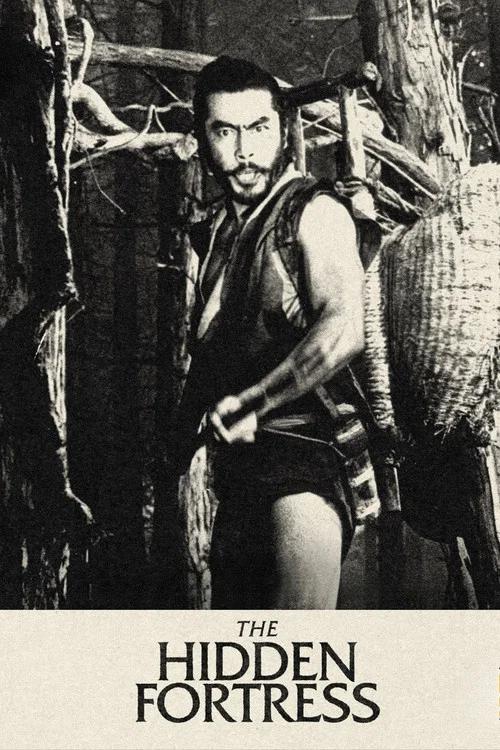
    The Hidden Fortress

    Akira Kurosawa · 1958

    Tadokoro is a general for the enemy clan and an old rival of Rokurota. He loses their duel and gets spared, then is beaten and scarred by his own lord for it. By the end, his sense of honor makes him the one who saves everybody.

    Where to see it: The lance duel. Rokurota rides into the Yamana camp, Tadokoro challenges him to single combat, and Rokurota wins but refuses to kill him.

  3. Chinatown (1974) poster

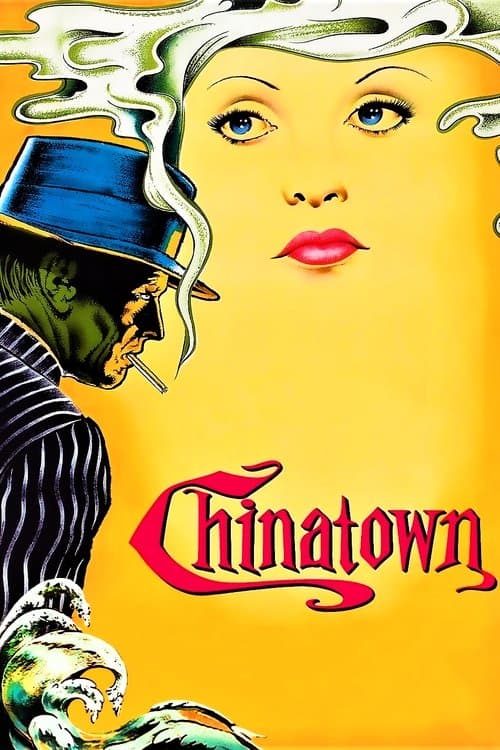
    Chinatown

    Roman Polanski · 1974

    Noah Cross (John Huston) is charming, upper-class and utterly monstrous. Polanski refuses to mark him as evil with the usual villain signals, which makes him more terrifying.

    Where to see it: Cross calmly explaining 'The future, Mr. Gittes, the future'. He says it while revealing the full extent of his predatory ambition.

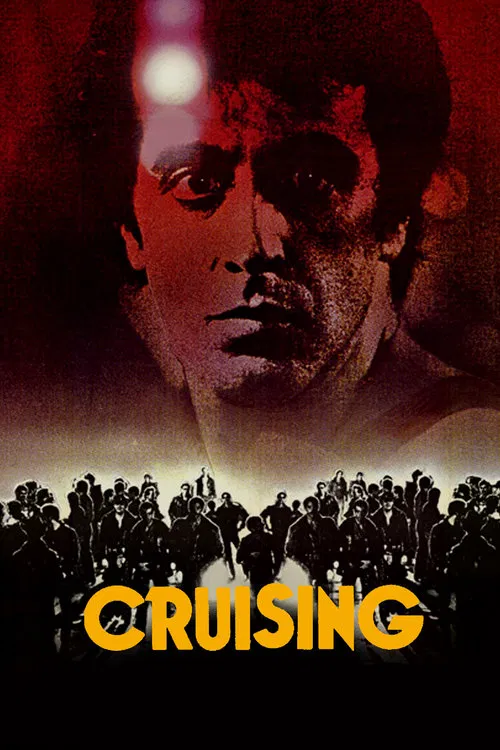
  4. Cruising (1980) poster

    Cruising

    William Friedkin · 1980

    The film arrests a suspect, but he denies being the killer. Soon after, Ted Bailey is found stabbed to death. Because Burns is shown copying the killer's rhyme, some viewers think the film hints at him. It never gives a clear answer.

    Where to see it: Nancy trying on Burns's clothes. She puts on his leather jacket, cap and sunglasses, which look like the killer's outfit.

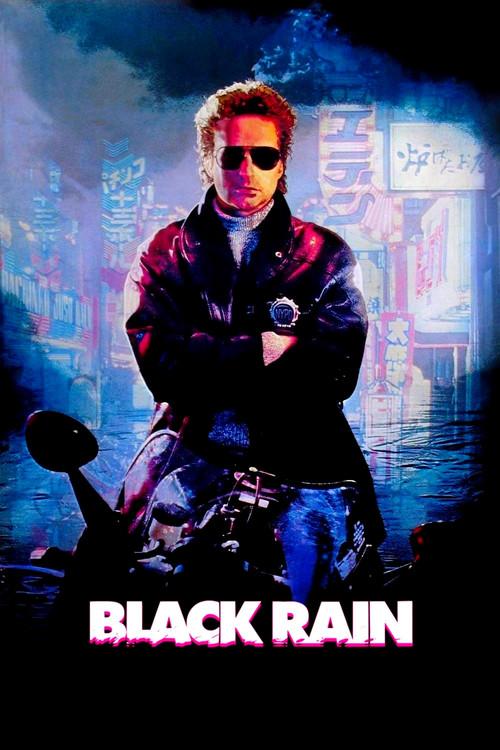
  5. Black Rain (1989) poster

    Black Rain

    Ridley Scott · 1989

    Sugai is the film's main criminal, yet he gets a reason you can follow. He tells Nick he survived the bombing of Hiroshima and that his counterfeiting is revenge for the "black rain" that fell that day. He also blames American influence for corrupting younger men like Sato. You do not have to agree with him to see where he comes from.

    Where to see it: Sugai's house: with a tip from Joyce, Nick meets Sugai, who explains his past and why he is flooding the world with fake American money.

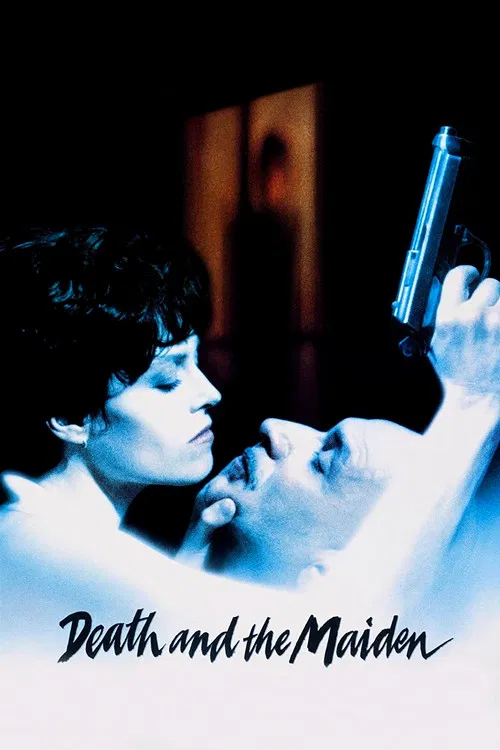
  6. Death and the Maiden (1994) poster

    Death and the Maiden

    Roman Polanski · 1994

    You are never handed a clean answer about Dr. Miranda. Paulina is certain, while her husband and Miranda say she is wrong. She was blindfolded during her ordeal, so her certainty rests on memory alone. The film holds back the answer until Miranda finally confesses, so you doubt for most of the runtime.

    Where to see it: Miranda's confession: After Paulina rejects his alibi, Miranda admits he was the doctor and says he enjoyed brutalizing her.

  7. Little Children (2006) poster

    Little Children

    Todd Field · 2006

    Ronnie is the neighborhood's villain, and the film refuses to simplify him. He is frightening and also pitiful, and the people who attack him do real harm. You keep shifting how you feel about him.

    Where to see it: Ronnie's date. His mother sets him up, and the night ends with a disturbing act near a playground.

  8. The Social Network (2010) poster

    The Social Network

    David Fincher · 2010

    You can read Zuckerberg as the villain who betrayed his only friend or as the visionary held back by people who couldn't keep up. Eduardo can be the wronged partner or the man who froze the account. The film sets up every relationship so that no one is simply right. The depositions make this possible. Each side presents its case, and the film refuses to pick a winner.

    Where to see it: Eduardo's final confrontation with Mark. Both men make arguments about what happened that you can't knock down. The film treats both as valid at the same time.

  9. Under the Skin (2013) poster

    Under the Skin

    Jonathan Glazer · 2013

    The alien kills, but she is also alien, also learning and also a victim. The film won't let her be a simple predator. Her growing humanity becomes its moral center, even while her earlier murders keep hanging over every scene.

    Where to see it: The alien's attempt to eat cake. It is a small, failed and fairly heartbreaking try at being human, and it comes after the deaths that should make sympathy impossible.

  10. Whiplash (2014) poster

    Whiplash

    Damien Chazelle · 2014

    Fletcher really is abusive, both psychologically and professionally. He is also the force that drives Andrew to transcendence. The film won't fully condemn him and won't fully excuse him either.

    Where to see it: The final performance. Fletcher and Andrew have their last exchange in the middle of it.

  11. Ex Machina (2014) poster

    Ex Machina

    Alex Garland · 2014

    Nathan is abusive and brilliant. Ava is imprisoned and dangerous. Caleb is sympathetic and also part of the problem. Caleb thought he was in a certain kind of story, and the ending reveals that its villain was Ava all along. Yet the film has given you every reason to want her to win. Garland makes you root for her, and that is the trap.

    Where to see it: Ava's final actions. The film got you to side with her, and these actions show that siding with her is what makes the ending horrifying.

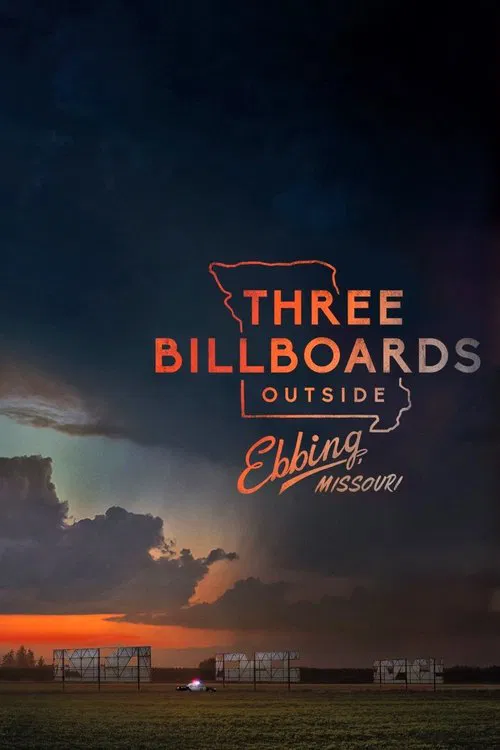
  12. Three Billboards Outside Ebbing, Missouri (2017) poster

    Three Billboards Outside Ebbing, Missouri

    Martin McDonagh · 2017

    Mildred is right about her daughter but causes real harm. Dixon is racist and violent, but his grief is real and so is his attempt to change. Willoughby is sympathetic and also part of the problem. McDonagh never lets any character be simply wrong or simply right. The film is saying that you can't grieve and see right and wrong clearly at the same time.

    Where to see it: Dixon's letter from Willoughby. Dixon seemed beyond saving. The letter offers him a path toward something better and he almost takes it. Nobody's moral position stays fixed.

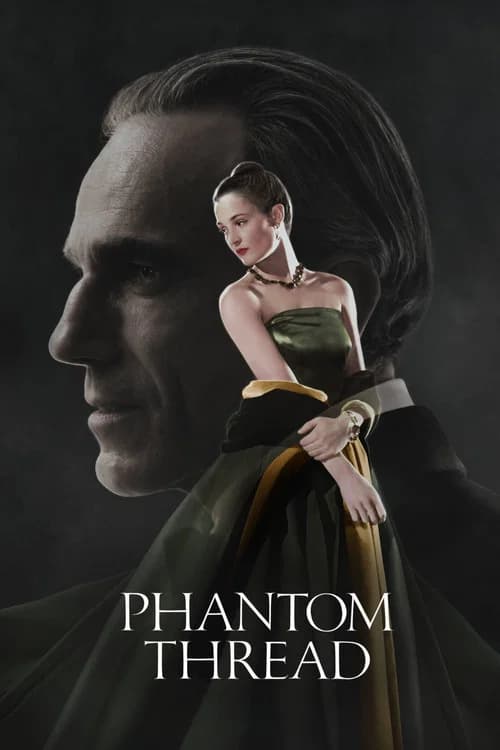
  13. Phantom Thread (2017) poster

    Phantom Thread

    Paul Thomas Anderson · 2017

    Reynolds is controlling, cruel and entirely self-absorbed. He is also the center of the film, its most interesting person and the one whose inner life you share most fully. Alma poisons him and nurses him back to health. The film refuses to settle who is doing what to whom, or whether any of it counts as love.

    Where to see it: The final poisoning. Alma serves Reynolds the poisoned omelet. The role of antagonist has passed between them so many times that the act is assault and care at once.

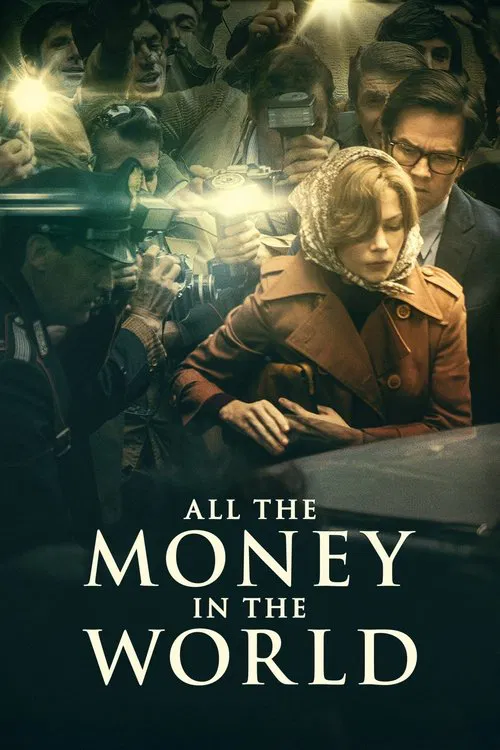
  14. All the Money in the World (2017) poster

    All the Money in the World

    Ridley Scott · 2017

    One of Paul's captors, Cinquanta, is a criminal who also shows Paul some kindness. The film never turns him into a simple monster. That makes the climax, where he helps Paul get away, feel earned.

    Where to see it: The escape: In the town of Lauria, Paul runs for his life, and Cinquanta attacks a pursuing criminal so that Paul can get away.

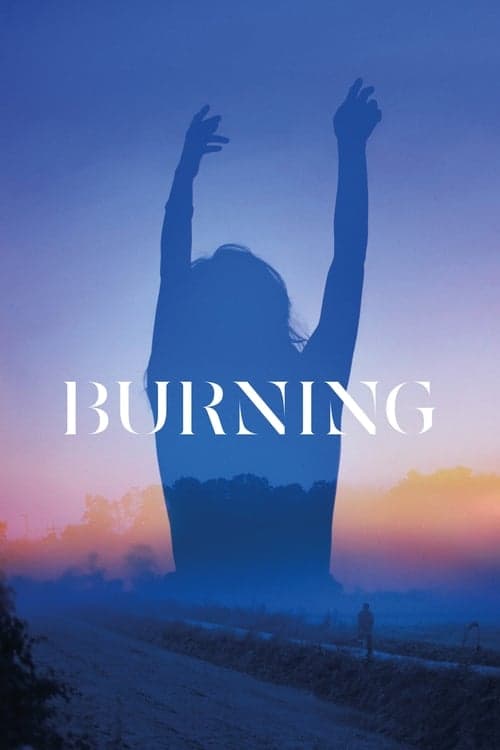
  15. Burning (2018) poster

    Burning

    Lee Chang-dong · 2018

    Ben is the central puzzle of the film. He is wealthy and calm. He is possibly a serial killer, or possibly just a rich man Jong-su has decided to hate because he can't afford to be one himself. The film gives you enough evidence for both readings and then makes you choose. It won't make that choice for you.

    Where to see it: Ben's apartment. Jong-su finds a pink watch like Hae-mi's in a drawer of women's jewelry, and a cat that answers to 'Boil'. Ben calls the cat a rescued stray. Ben's guilt can never be confirmed.

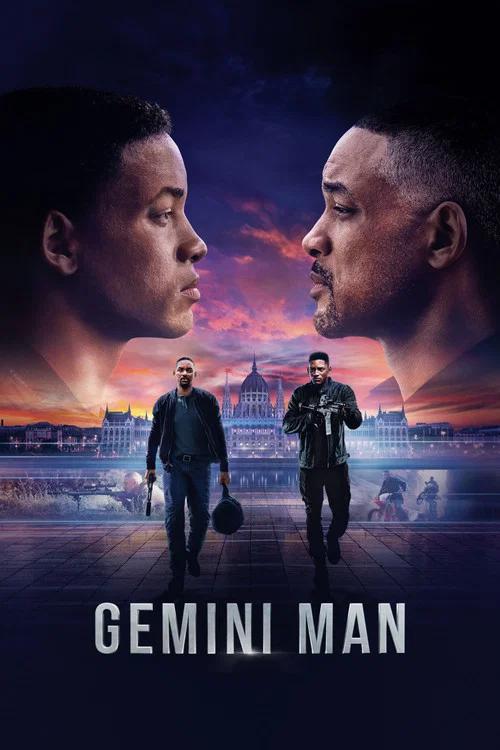
  16. Gemini Man (2019) poster

    Gemini Man

    Ang Lee · 2019

    Junior is sent to kill Henry, but he is a lab-made young man who wants to know where he came from. His loyalty to Clay cracks once he learns the truth, and he ends up helping the man he was sent to kill.

    Where to see it: Junior and Clay: A heartbroken Junior confronts Clay, who insists Junior must defeat Henry in order to surpass him. Junior later allies with Henry to bring Clay down.

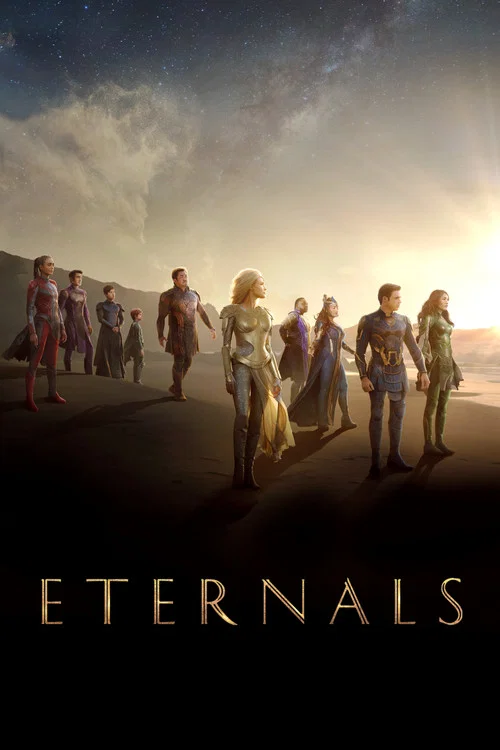
  17. Eternals (2021) poster

    Eternals

    Chloé Zhao · 2021

    Ikaris is a friend of the heroes and also the one fighting their plan. He believes in Arishem's mission, and the film shows he once let Ajak die for it. You see his side and he never feels like a plain bad guy.

    Where to see it: Ikaris and Sersi: Ikaris breaks free of his restraints to kill Sersi but cannot because he loves her. He joins the Uni-Mind with the others instead.

  18. Tár (2022) poster

    Tár

    Todd Field · 2022

    Lydia is the film's abuser and its most interesting person. The film gives her the best arguments, the most developed inner life and the most screen time. Field refuses to shrink her into a cautionary tale, so you have to hold her real genius and her real harm at the same time. Holding both at once is pretty much the film's subject.

    Where to see it: Lydia's argument with Max at the Juilliard masterclass. Her reasoning about power and art is compelling. The rest of the film still lets you see what the argument is doing for her.

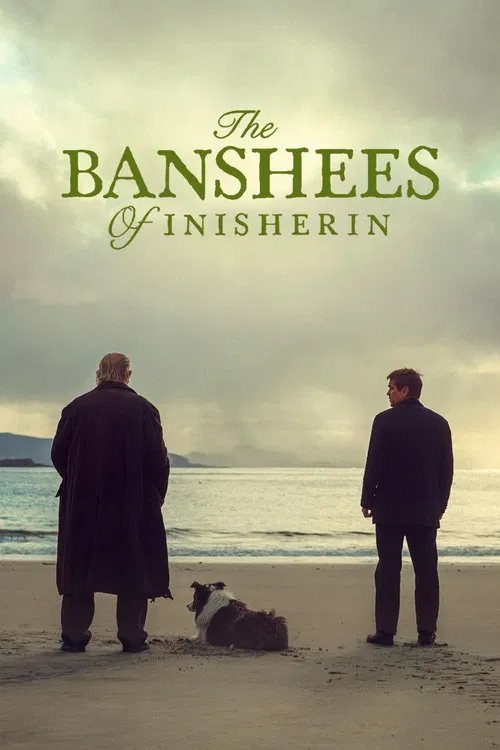
  19. The Banshees of Inisherin (2022) poster

    The Banshees of Inisherin

    Martin McDonagh · 2022

    Colm is wrong to do what he does but right about why he does it. Pádraic is right to be hurt but wrong in how he responds. Siobhán is the most reasonable person and has the least power. McDonagh makes every position understandable until judging anyone is nearly impossible, which is the point.

    Where to see it: Colm explaining his decision. He argues for putting artistic legacy ahead of human connection. The results are wrong, and the reasoning behind it is partly sound.

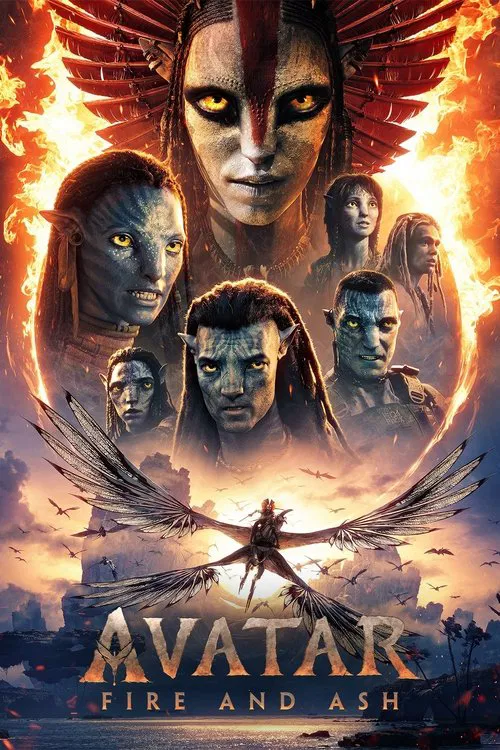
  20. Avatar: Fire and Ash (2025) poster

    Avatar: Fire and Ash

    James Cameron · 2025

    Varang leads the Mangkwan, and the film shows what her people have been through. Cameron said her clan's hardship hardened her and she will do anything for them. Her cruelty comes from the same wants as the heroes.

    Where to see it: The ambush: Varang's Mangkwan raid the Windtraders' convoy of airships and Quaritch captures Jake.

Questions

Quick answers

What is ambiguous antagonist in film?
Writing an opponent the film never fully labels as evil. Their motives mix ordinary human wants with real harm, and they may even help the hero grow.
Which films use ambiguous antagonist?
Suspicion (1941), The Hidden Fortress (1958), Chinatown (1974), Cruising (1980), Black Rain (1989), Death and the Maiden (1994) and 14 more films in the CineCode library.
What kind of technique is ambiguous antagonist?
It is a narrative technique. Related narrative techniques include Unreliable Narrator, Non-Linear Narrative.