Comparison · 3 shared techniques

Le Samourai vs Army of Shadows

Le Samourai (1967) and Army of Shadows (1969) share 3 techniques. Here is how each film uses them.

Shared

Same technique, two films

Ceremonial Pacing

Moving the film at the slow, deliberate pace of a ritual, with long takes, few cuts and unhurried camera moves. The patience builds dread and gives each step the weight of a ceremony.

Le Samourai

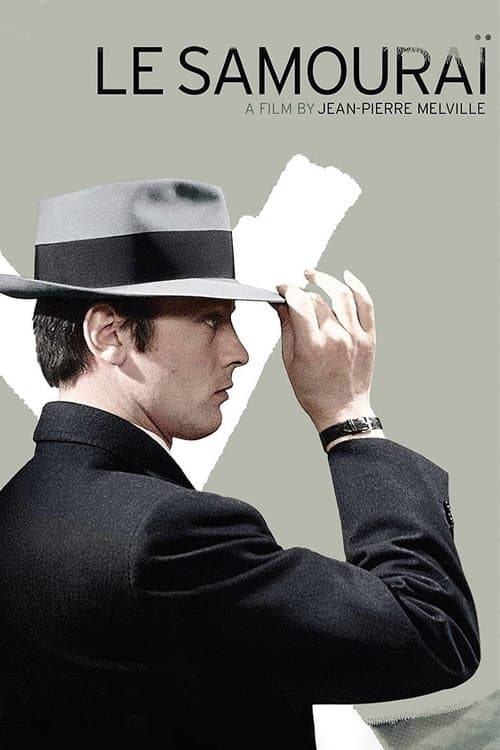
Before the hit, Jef adjusts his hat brim precisely, raises his coat collar and puts on his gloves. These preparations are filmed with the solemn feeling of a religious ritual. Melville turns professional routine into ceremony. Each step is necessary and exact, and nobody gets to question it.

Army of Shadows

Melville slows everything down. Long takes of people walking, waiting and talking make every act feel like a ritual, and the heavy silences let the weight settle.

Silent Observation Pacing

Holding on quiet shots of characters watching and taking in the world around them, without cutting away. Glances, gestures and shared silence carry as much as any action.

Le Samourai

Jef Costello speaks maybe 50 lines in the entire film. Melville builds the character through his rituals of preparation and the precision of how he behaves on the job. For long stretches, you simply watch a man who communicates almost entirely through action. The silence comes across as total self-sufficiency.

Army of Shadows

The camera lingers on faces and hands while characters wait and think. The Resistance fighters rarely explain themselves, so you read their fear and their resolve in the pauses.

Color Palette as Worldbuilding

Limiting the film to a tightly chosen set of colors, or giving each place or state its own set. The colors tell you about the world and its mood without dialogue.

Le Samourai

Henri Decaë films Paris in drained grey-blues that don't match the city's real color. The palette comes entirely from Jef's state of mind. The world is grey because it holds no emotional value for a man who has cut feeling out of his life. That is, the colors are a portrait of what goes on inside him.

Army of Shadows

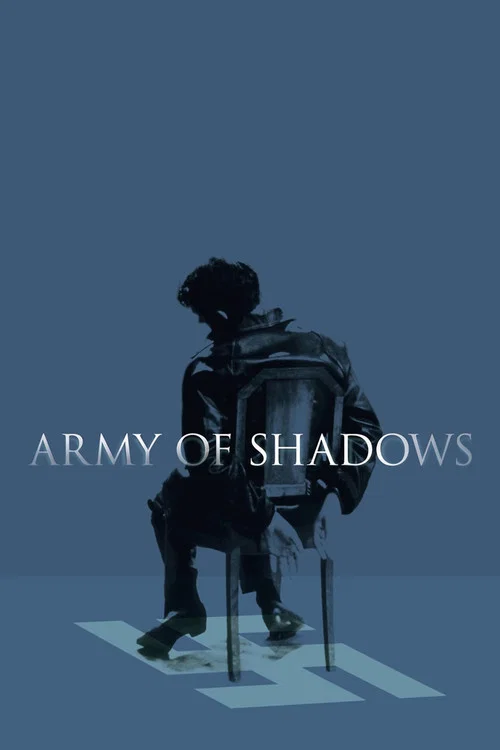
The film is washed in cold blues and grays. The colors tell you the world is bleak and the mood is grim before anyone speaks.