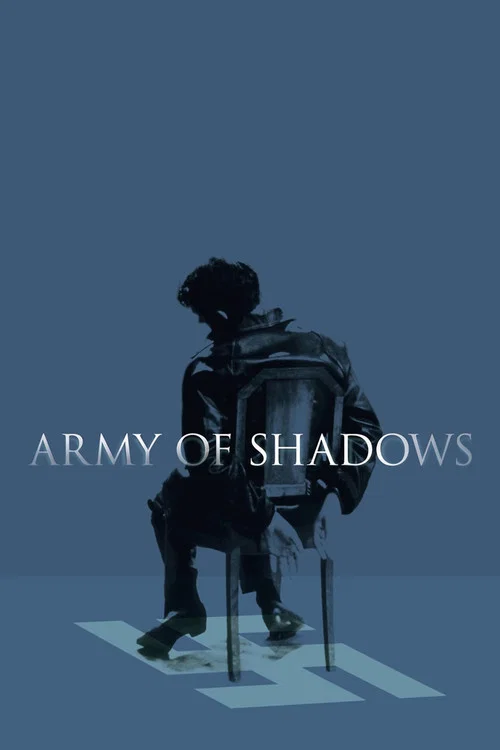
In occupied France, members of the Resistance risk their lives to run messages, hide airmen and root out traitors. Melville was part of the Resistance himself, and the film watches these people with a cold, patient eye that makes every killing feel heavy.
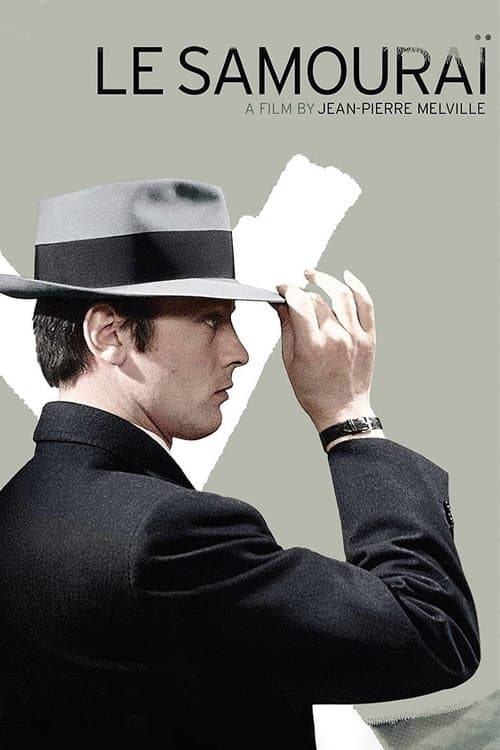
Army of Shadows is a 1969 war, drama and thriller film directed by Jean-Pierre Melville. This breakdown covers 5 techniques (3 narrative, 1 editing and 1 cinematography), each with the scene where you can see it. If you like how it is made, Le Samourai uses several of the same techniques.
Moving the film at the slow, deliberate pace of a ritual, with long takes, few cuts and unhurried camera moves. The patience builds dread and gives each step the weight of a ceremony.
How this film uses it
Melville slows everything down. Long takes of people walking, waiting and talking make every act feel like a ritual, and the heavy silences let the weight settle.
Where to see it
The opening: German soldiers march down the Champs-Elysees and under the Arc de Triomphe in a long, slow sequence that sets the tone of the film.
Holding on quiet shots of characters watching and taking in the world around them, without cutting away. Glances, gestures and shared silence carry as much as any action.
How this film uses it
The camera lingers on faces and hands while characters wait and think. The Resistance fighters rarely explain themselves, so you read their fear and their resolve in the pauses.
Where to see it
The strangling: because a gunshot would draw attention, the group kills the informer by hand in a house while the camera holds on the silent room.
Limiting the film to a tightly chosen set of colors, or giving each place or state its own set. The colors tell you about the world and its mood without dialogue.
How this film uses it
The film is washed in cold blues and grays. The colors tell you the world is bleak and the mood is grim before anyone speaks.
Where to see it
The streets: the occupied city looks gray and empty, with muted blue light in the rooms and cars.
Driving the plot with a hidden infiltrator or a suspected partner, so characters must test loyalty while trust and identity are constantly in doubt.
How this film uses it
Every member of the group could be a traitor. Gerbier and his comrades check, test and sometimes kill people they suspect, and the question of whom to trust never lets up.
Where to see it
The informer: the group learns that a young recruit named Dounat gave up Gerbier to the police, and they decide he must die.
Raising the ethical price of winning with each part of the story. Every compromise the characters make leads to a worse one, until they can't go back.
How this film uses it
The group must do worse and worse things to survive. First they kill a traitor, then someone they love. Every compromise leads to a harder one.
Where to see it
Mathilde's fate: after she is arrested and her daughter is threatened, the group decides she must die. Le Bison shoots her in a Paris street.
Questions
Army of Shadows: quick answers
What filmmaking techniques does Army of Shadows use?
CineCode breaks down 5 techniques in Army of Shadows (1969): Ceremonial Pacing, Silent Observation Pacing, Color Palette as Worldbuilding, Infiltration and Suspicion and Escalating Moral Stakes.
Who directed Army of Shadows?
Jean-Pierre Melville directed Army of Shadows, released in 1969. CineCode also covers Le Samourai (1967).
What films are similar to Army of Shadows?
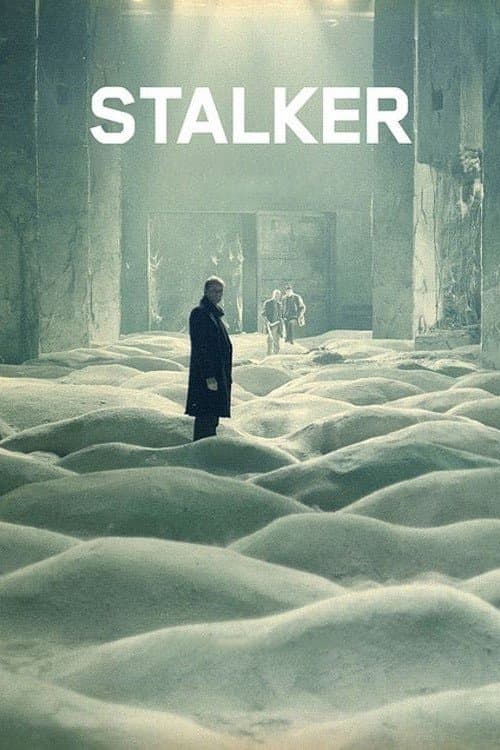
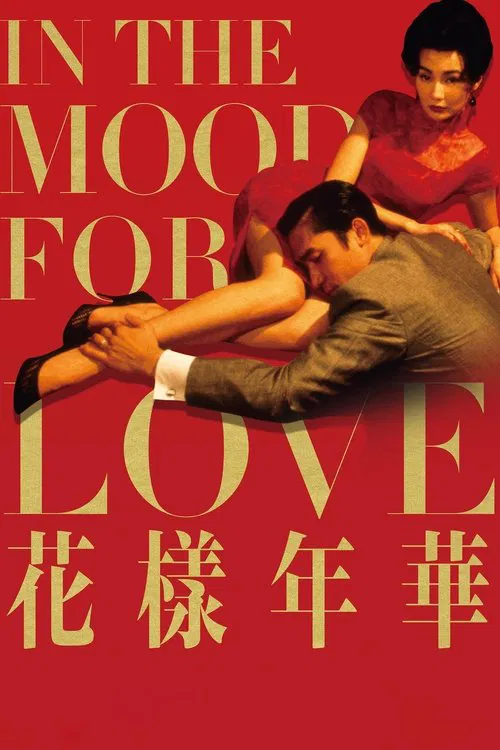
Films that share techniques with Army of Shadows include Le Samourai (1967), Stalker (1979), In the Mood for Love (2000), Her (2013).