Narrative technique · used in 15 films

Ceremonial Pacing

Moving the film at the slow, deliberate pace of a ritual, with long takes, few cuts and unhurried camera moves. The patience builds dread and gives each step the weight of a ceremony.

Examples

15 films that use it

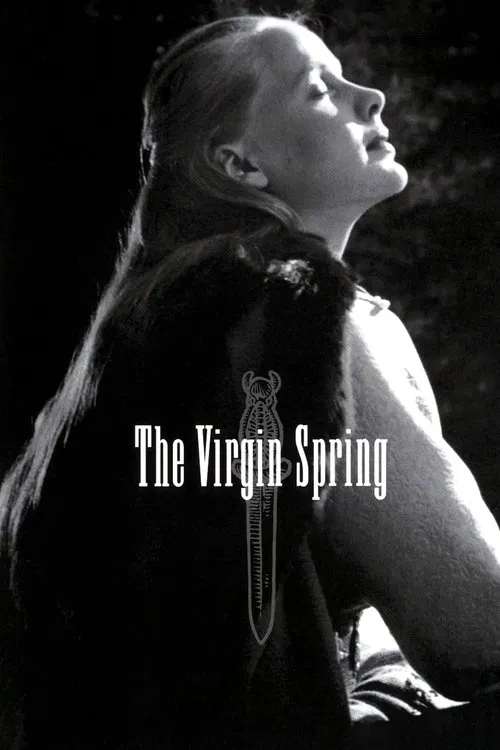
  1. The Virgin Spring (1960) poster

    The Virgin Spring

    Ingmar Bergman · 1960

    After the herdsmen are locked up, the film slows down and treats the revenge as a ritual. Töre prepares step by step, and the killing waits until dawn. The patience makes each act feel heavy.

    Where to see it: Töre's revenge: at dawn, Töre kills the herdsmen.
  2. Harakiri (1962) poster

    Harakiri

    Masaki Kobayashi · 1962

    Kobayashi holds his shots far longer than is comfortable. The hardest sequence to watch is the forced suicide with a bamboo blade. It is filmed slowly, like a ceremony, and there are no cuts to let you escape. That slowness is where the horror comes from.

    Where to see it: The bamboo blade sequence. It is held for a long time with very few cuts, and the length makes the ceremony unbearable.

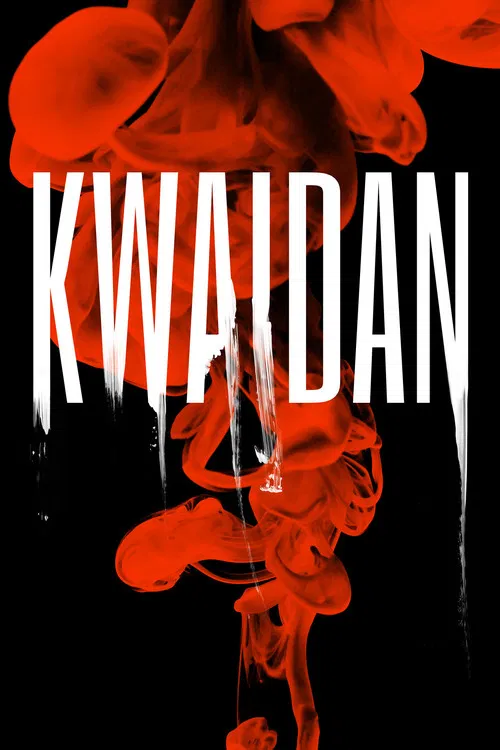
  3. Kwaidan (1965) poster

    Kwaidan

    Masaki Kobayashi · 1965

    Kobayashi moves slowly, with long takes and few cuts, like a ritual. Fear comes from waiting. You watch a blind man play for an audience you know is not alive, and every quiet moment feels like it is about to break.

    Where to see it: Hoichi's performances. The blind biwa player is summoned each night to perform for a court of the dead.

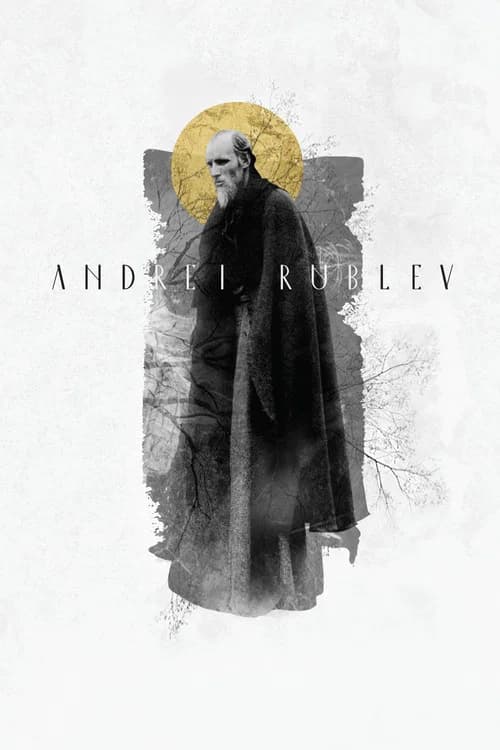
  4. Andrei Rublev (1966) poster

    Andrei Rublev

    Andrei Tarkovsky · 1966

    Tarkovsky's episodes don't speed up toward a climax. They unfold at the pace of medieval life and religious belief. The pacing is pretty much that of a church service. Each scene gets its full length whether or not the story needs it. The rhythm itself is a form of devotion.

    Where to see it: The long preparation sequences in the bell-casting episode. The pacing gives the technical process its full weight as a ritual. The film spends its time on what it holds sacred.

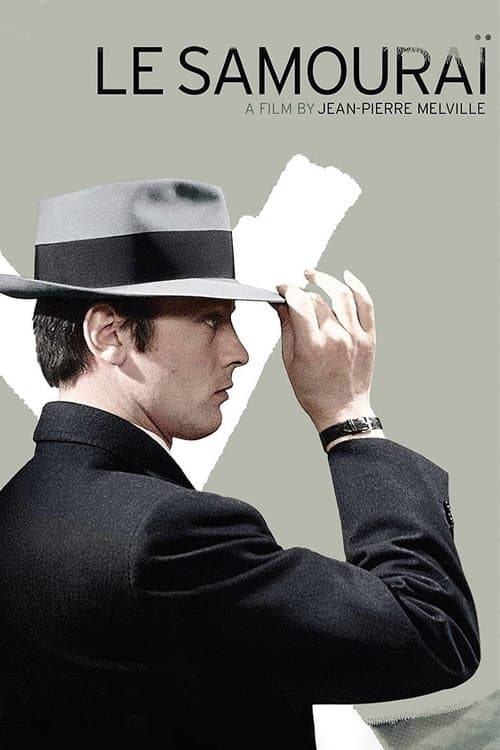
  5. Le Samourai (1967) poster

    Le Samourai

    Jean-Pierre Melville · 1967

    Before the hit, Jef adjusts his hat brim precisely, raises his coat collar and puts on his gloves. These preparations are filmed with the solemn feeling of a religious ritual. Melville turns professional routine into ceremony. Each step is necessary and exact, and nobody gets to question it.

    Where to see it: Jef's preparation sequence. The hat, coat, gloves and stolen car keys are laid out with surgical precision. He goes through the professional ritual as if a sacred act comes next.

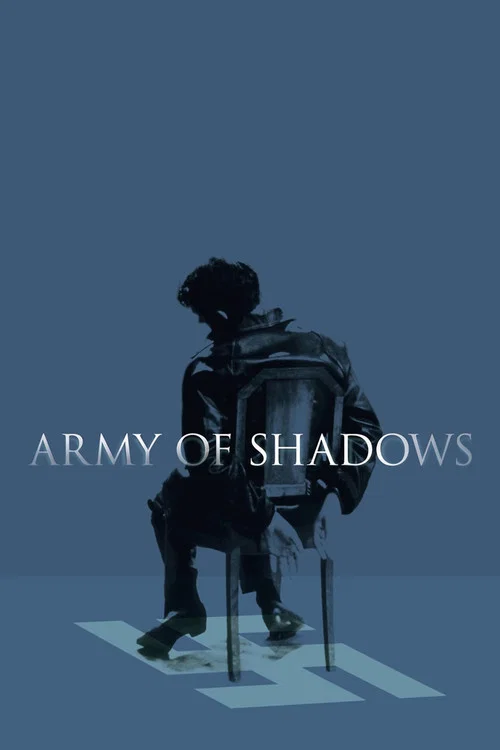
  6. Army of Shadows (1969) poster

    Army of Shadows

    Jean-Pierre Melville · 1969

    Melville slows everything down. Long takes of people walking, waiting and talking make every act feel like a ritual, and the heavy silences let the weight settle.

    Where to see it: The opening: German soldiers march down the Champs-Elysees and under the Arc de Triomphe in a long, slow sequence that sets the tone of the film.

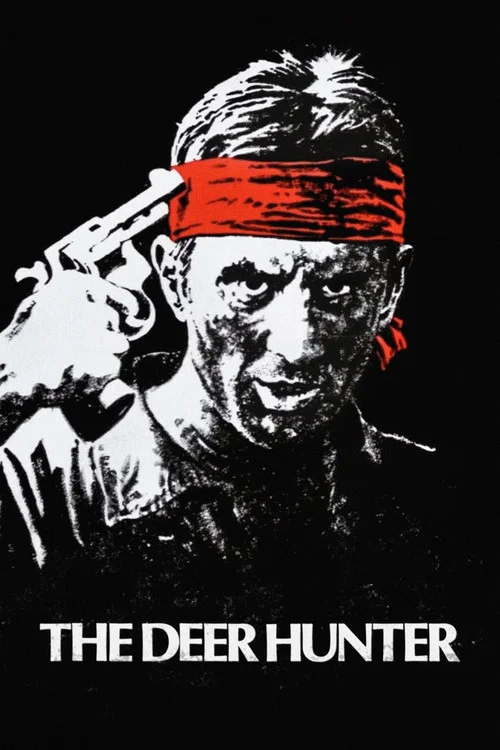
  7. The Deer Hunter (1978) poster

    The Deer Hunter

    Michael Cimino · 1978

    The wedding sequence runs nearly an hour, and Cimino films every dance, every toast and every conversation. The length is the point. You have to live in this community's warmth long enough to understand what Vietnam destroys. The ceremony can't be shortened, because the war takes away exactly that fullness.

    Where to see it: The wedding. The Orthodox ceremony, the reception and the dancing are all there. You see the community's rituals at full length before they are interrupted for good.

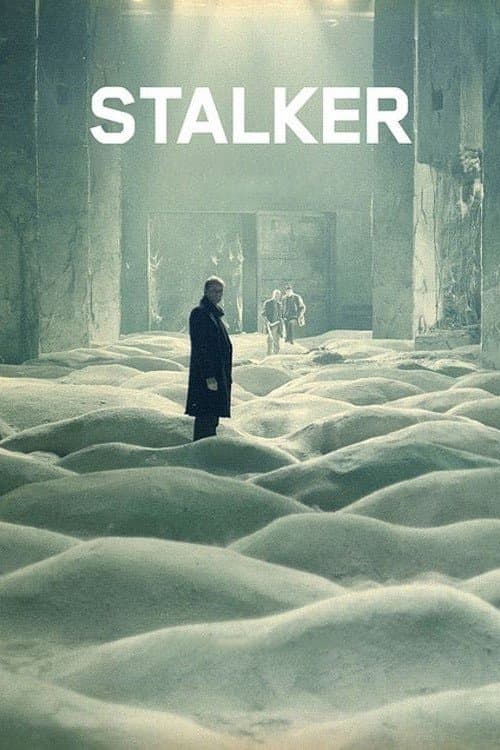
  8. Stalker (1979) poster

    Stalker

    Andrei Tarkovsky · 1979

    Moving through the Zone works like a ritual. Metal nuts tied to strips of cloth must be thrown before each advance, no path can be walked back and the Stalker's instructions are obeyed without explanation. The pacing makes the journey feel like a religious rite that means more than its steps.

    Where to see it: The nut-throwing sequence. The Stalker throws a nut tied to a strip of cloth ahead of them, and the men follow the Zone's arbitrary rules as seriously as a church service.

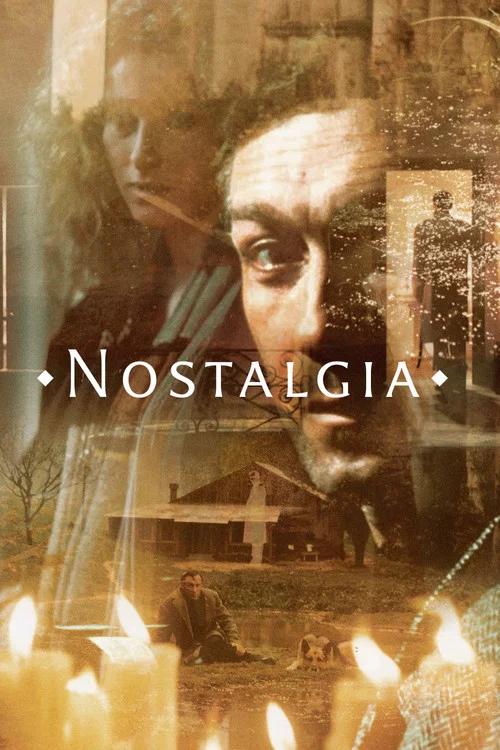
  9. Nostalgia (1983) poster

    Nostalgia

    Andrei Tarkovsky · 1983

    The long, slow walk across the pool takes its time, with few cuts. You wait with Andrei as he tries again and again. The slowness makes a small act feel like a ritual.

    Where to see it: The pool at Bagno Vignoni. Andrei repeatedly walks its length with the candle, then collapses.

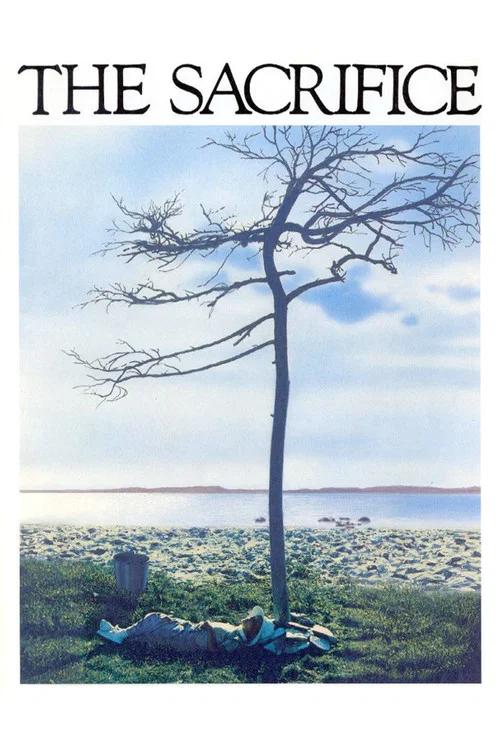
  10. The Sacrifice (1986) poster

    The Sacrifice

    Andrei Tarkovsky · 1986

    The film moves with long takes and few cuts, as slowly as a ritual. The party and the news broadcast feel like parts of a ceremony. The patience gives each action weight.

    Where to see it: The birthday party. The guests gather, and the mood changes when a jet noise interrupts.

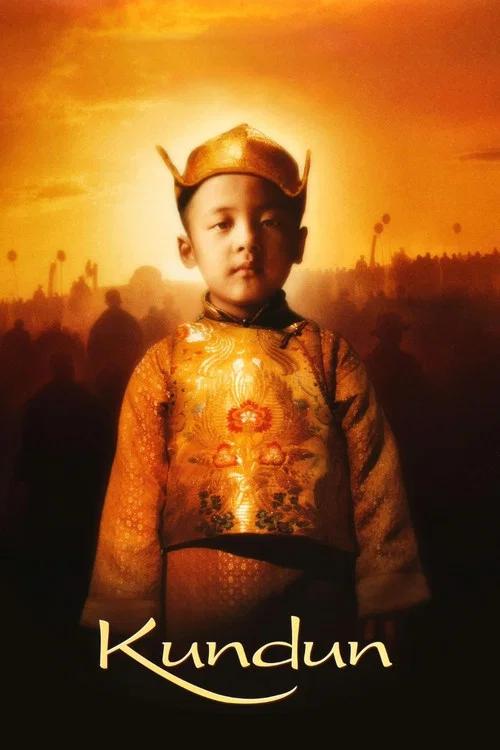
  11. Kundun (1997) poster

    Kundun

    Martin Scorsese · 1997

    The film moves at a slow, formal pace that suits its rituals. It starts with a boy tested on his past life's belongings. Patience becomes part of the style.

    Where to see it: The recognition test: the 2-year-old chooses the previous Dalai Lama's belongings from among others.

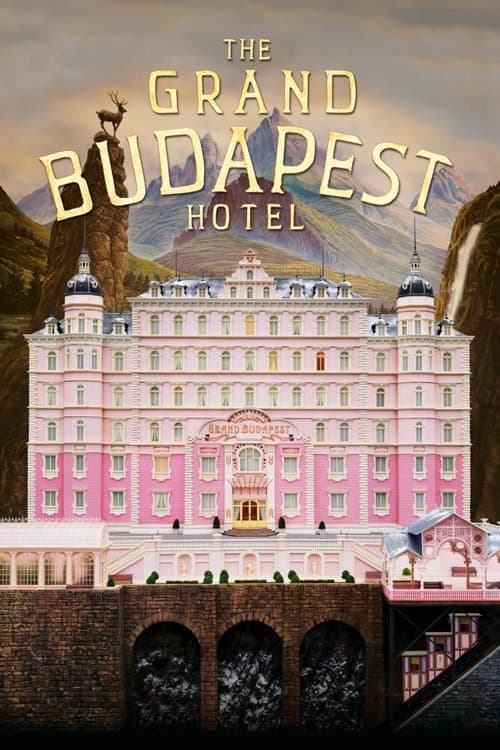
  12. The Grand Budapest Hotel (2014) poster

    The Grand Budapest Hotel

    Wes Anderson · 2014

    The Grand Budapest Hotel runs on ritual: the concierge's rounds, the lobby boy's training and the mutual aid rules of the Society of the Crossed Keys. Anderson's pacing respects those rituals. Through its long sequences of hotel procedure, the film argues that civilization is the sum of its ceremonies.

    Where to see it: Zero's lobby boy training under Gustave. The rituals of hospitality are passed on as a moral education, and the ceremony itself is the subject.

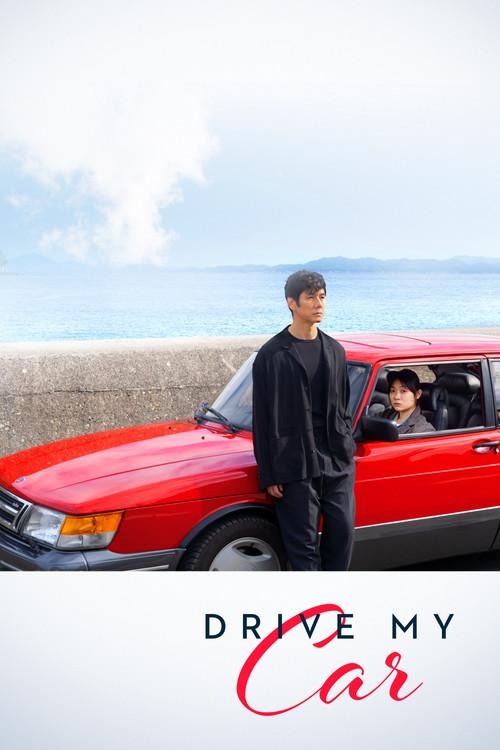
  13. Drive My Car (2021) poster

    Drive My Car

    Ryusuke Hamaguchi · 2021

    Hamaguchi opens with a 40-minute prologue before the title card appears, and the rhythm never hurries after that. The length of the film makes a point: grief and understanding take time.

    Where to see it: The extended prologue. It follows Kafuku and his wife Oto up to her sudden death, before the film's official story begins, and it doesn't behave like an opening at all.

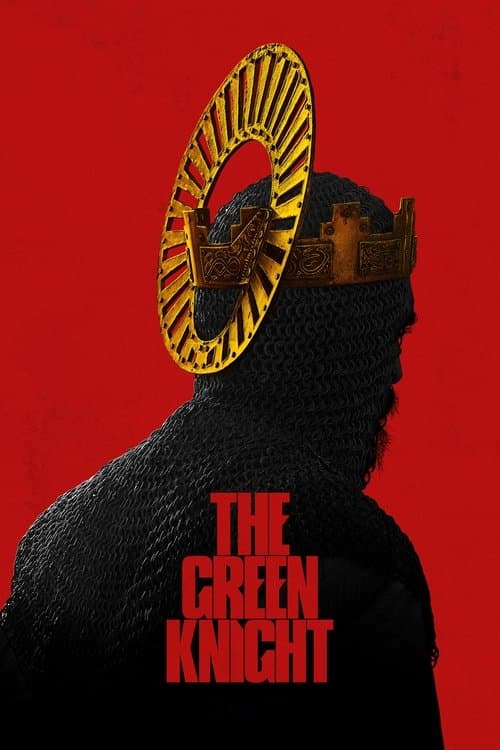
  14. The Green Knight (2021) poster

    The Green Knight

    David Lowery · 2021

    Lowery holds shots longer than the story needs, and he lingers on forests, ruins and faces. That patience slows you into the same thoughtful state the quest is supposed to produce in Gawain.

    Where to see it: The long sequence with the giants crossing the landscape. They are enormous, silent and uninterested in Gawain. The film simply watches them pass and explains nothing.

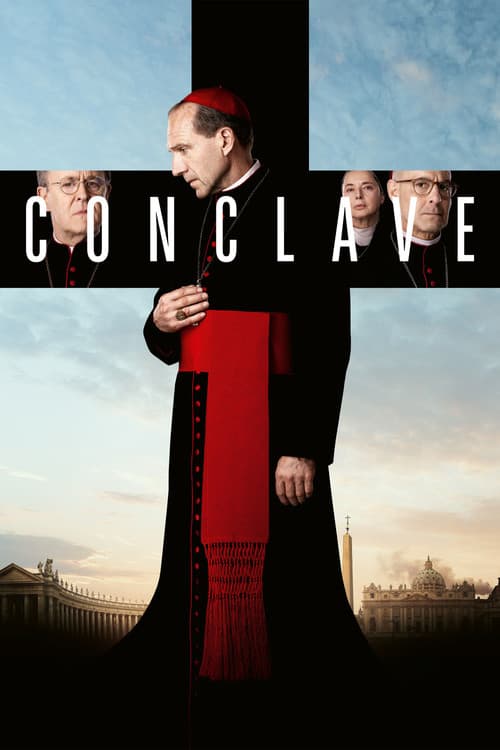
  15. Conclave (2024) poster

    Conclave

    Edward Berger · 2024

    Voting for a Pope is slow and repetitive: the papers are burned, the votes are counted and the result is announced. Berger keeps that rhythm and never speeds it up. The suspense comes from how long each step of the procedure takes.

    Where to see it: The multiple rounds of voting. Each round is slightly different because alliances have shifted, so you follow the film's politics by watching the same ritual repeat.

Questions

Quick answers

What is ceremonial pacing in film?
Moving the film at the slow, deliberate pace of a ritual, with long takes, few cuts and unhurried camera moves. The patience builds dread and gives each step the weight of a ceremony.
Which films use ceremonial pacing?
The Virgin Spring (1960), Harakiri (1962), Kwaidan (1965), Andrei Rublev (1966), Le Samourai (1967), Army of Shadows (1969) and 9 more films in the CineCode library.
What kind of technique is ceremonial pacing?
It is a narrative technique. Related narrative techniques include Symbolic Object, Frame Narrative as Trap, Slow Build Runtime.