Comparison · 3 shared techniques

Platoon vs 12 Years a Slave

Platoon (1986) and 12 Years a Slave (2013) share 3 techniques. Here is how each film uses them.

Shared

Same technique, two films

Handheld Cinema Vérité

Shooting with a handheld camera so the frame shakes and moves with the action. This documentary-style look, called cinema vérité, puts you uncomfortably close to the character.

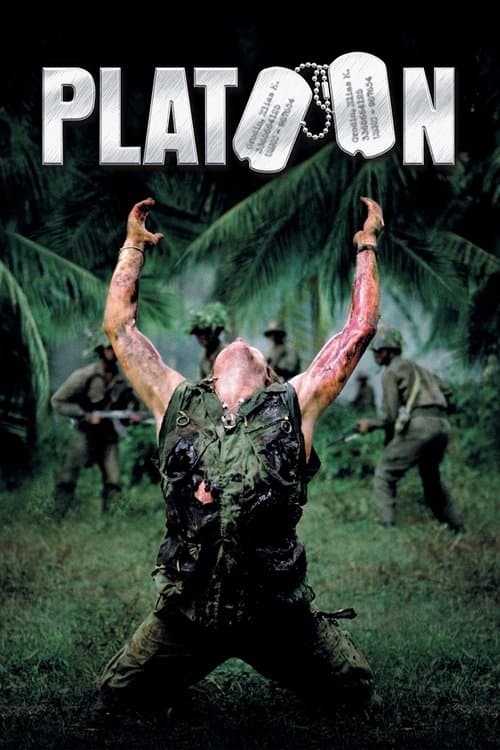
Platoon

Robert Richardson's photography gives the jungle sequences a sweaty, disoriented look, like a camera trying to keep up with real events. It is a deliberate step away from the clean compositions of classic war films.

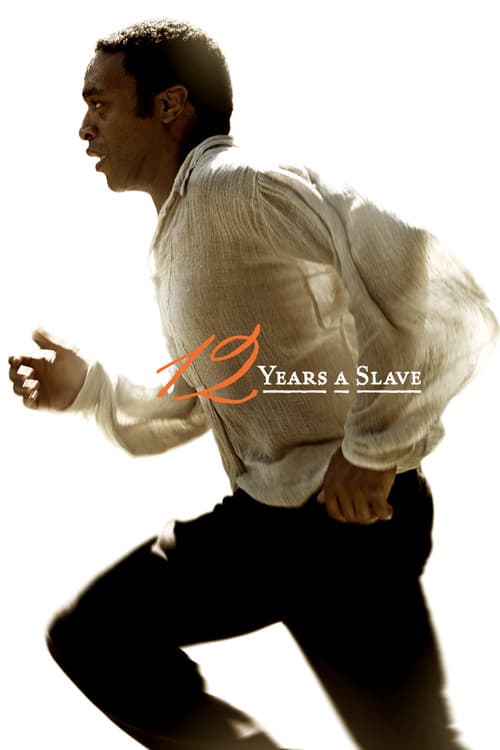
12 Years a Slave

McQueen and cinematographer Sean Bobbitt shot on 35 mm film with widescreen anamorphic lenses and kept the camera very close to Solomon's body. A documentary would observe from a safe distance. This camera is close enough to pick up what he goes through physically. The closeness makes its own point. What this body goes through is fact and should not be filed away as history.

Perpetrator Perspective

Telling the story from the side of the person doing the harm, and letting you inside their head. You start to understand them, which is more uncomfortable than simply condemning them.

Platoon

Stone puts you inside the platoon during the village massacre, the film's version of My Lai. You see the killing from the soldiers' point of view, which makes you feel like part of Barnes' command.

12 Years a Slave

Solomon is forced to whip Patsey on Epps' command. He becomes the tool of a violence he opposes. He does it reluctantly, and then Epps takes the whip and beats Patsey nearly to death. McQueen makes Solomon's forced part in it the film's most devastating scene. The system works so that nobody gets to stay neutral.

Strategic Silence

Removing music, background sound or dialogue from a moment where most films would fill it. The quiet forces you to sit with what is on screen.

Platoon

Stone takes the music out of the most violent sequences and leaves only the sounds of the jungle and combat. When Barber's Adagio for Strings finally arrives, the contrast is devastating.

12 Years a Slave

A conventional historical drama would use music to guide how you feel. In those sequences, McQueen takes Hans Zimmer's score out. You have to sit with the suffering with no soundtrack standing between you and it. The silence puts you in the scene and takes away the protection that movie convention usually gives you.

Different

Where they split