Comparison · 3 shared techniques

Pulp Fiction vs Inglourious Basterds

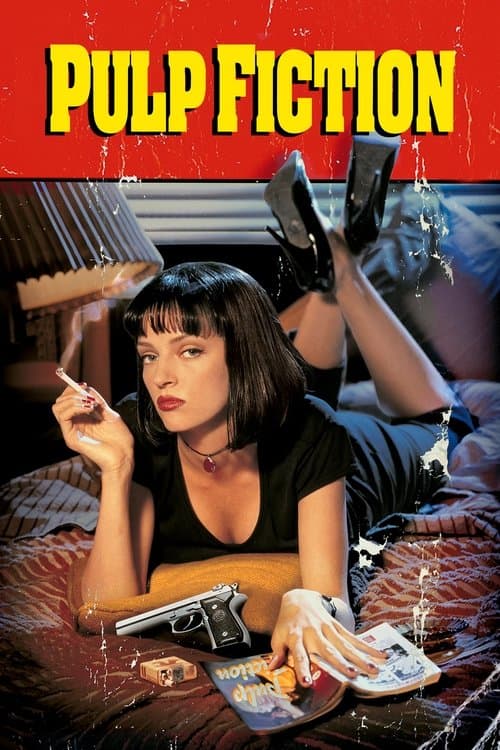
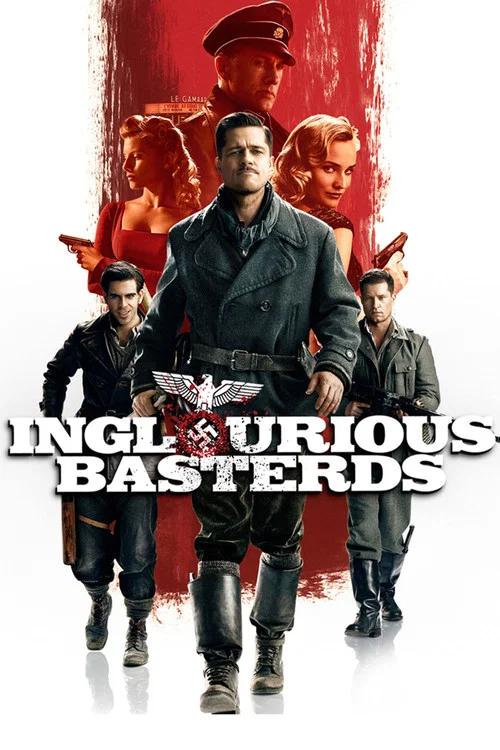
Pulp Fiction (1994) and Inglourious Basterds (2009) share 3 techniques. Here is how each film uses them.

Shared

Same technique, two films

Unbroken Dialogue Scene

Letting a conversation run for a long time with very few cuts. The tension builds from the actors sharing the space and from what is said, almost said and left unsaid.

Pulp Fiction

Tarantino shoots long dialogue scenes (the Royale with Cheese conversation, the breakfast scene) in long takes, meaning shots that run without a cut. The actors' timing and chemistry set the rhythm. The editing stays out of the way of performances that are working.

Inglourious Basterds

The farmhouse opening and the tavern standoff each run for a long, nearly unbearable time. Tarantino uses the length as pressure. The longer the conversation goes, the greater the risk that someone is exposed, and the more you feel the violence being held back.

Genre Collage

Mixing several genres in 1 film, such as crime, romance, horror and absurd comedy. The clash between them keeps you from settling into a single way of watching.

Pulp Fiction

Pulp Fiction moves between mob thriller, kitchen-sink romance, grindhouse horror (the gimp and Zed), road movie and screwball comedy. Each section follows the rules of a different genre. The mix won't settle on a single moral tone, so you have to hold contradictions in your head at the same time.

Inglourious Basterds

Tarantino moves between WWII ensemble film, spaghetti western, French New Wave character study and exploitation cinema with no transitions. The genres are stacked on top of each other, and each chapter borrows a different film tradition. The film ends up reflecting on how cinema tells stories about war.

Pop Culture Monologue

Writing long speeches where characters talk in detail about films, music or other pop culture. How they analyze these small things shows you who they are.

Pulp Fiction

Tarantino uses conversations about foot massages, the metric system in Europe and McDonald's menu names to build character relationships as precisely as any dramatic confrontation would. Jules and Vincent's argument about what a miracle means is structured like a debate about God, only it's carried out in crime-movie banter.

Inglourious Basterds

Hans Landa talks like a man giving a long performance, full of film-history knowledge and control over his listener. His speeches about detection, about milk and about cinema are always perfectly built. They show a man who understands that reality is a performance. Tarantino uses the monologue to make Landa the most terrifying character in the film through words alone.