Comparison · 3 shared techniques

The Trouble with Harry vs Fargo

The Trouble with Harry (1955) and Fargo (1996) share 3 techniques. Here is how each film uses them.

Shared

Same technique, two films

Deadpan Absurdism

Showing extreme, violent or surreal events while the characters react as if nothing unusual is happening. That mismatch is funny and unsettling at the same time.

The Trouble with Harry

A corpse is an inconvenience for the neighbors, and nobody screams. No one is much upset about Harry's death. That calm tone makes the scenes funny and also a bit eerie.

Fargo

People discuss murder, kidnapping and getting rid of bodies in the same flat tone as restaurant orders and weather reports. Deadpan means saying outrageous things with a straight face, and the Coens' version has nothing cruel in it. It is how the film shows that evil is ordinary, dull and deeply stupid. Marge is competent and normal, and that threatens this kind of evil more than any dramatic showdown would.

Small Town as Moral Geography

Treating a small town as more than a setting. Its buildings, lighting and relationships show the community's values and limits, which shape what the characters can do and what gets destroyed.

The Trouble with Harry

Highwater is a tiny Vermont hamlet where everyone knows everyone and no one trusts the deputy, who earns his living per arrest. The neighbors close ranks against the law, and the body shows what the town values.

Fargo

Minnesota's social world is flat, polite and deeply local, and the film uses it as the measure of right and wrong. It is hospitable, direct and unpretentious, and Jerry's scheme goes against all of that. Marge is what those values look like when they are working at their best. The film says they are enough to beat any clever criminal.

Color Palette as Worldbuilding

Limiting the film to a tightly chosen set of colors, or giving each place or state its own set. The colors tell you about the world and its mood without dialogue.

The Trouble with Harry

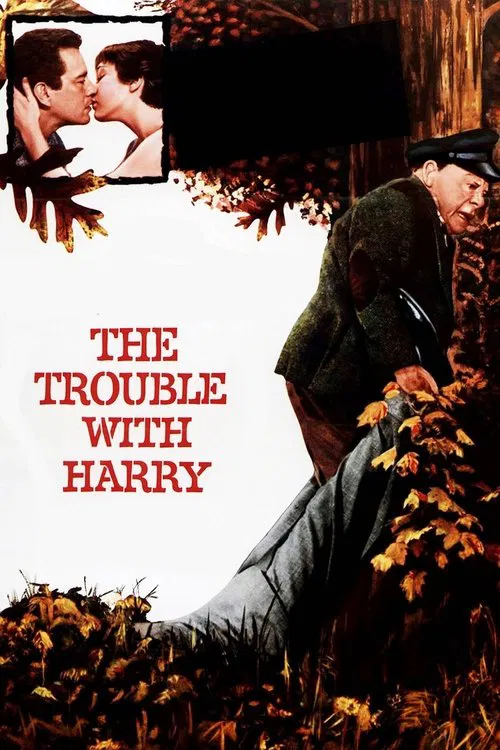
The film is set among autumn leaves in Vermont. The crew arrived to find the trees nearly bare, so they glued leaves back on. The painter John Ferren made the paintings Sam sells, and Hitchcock liked how his vivid colors matched the foliage.

Fargo

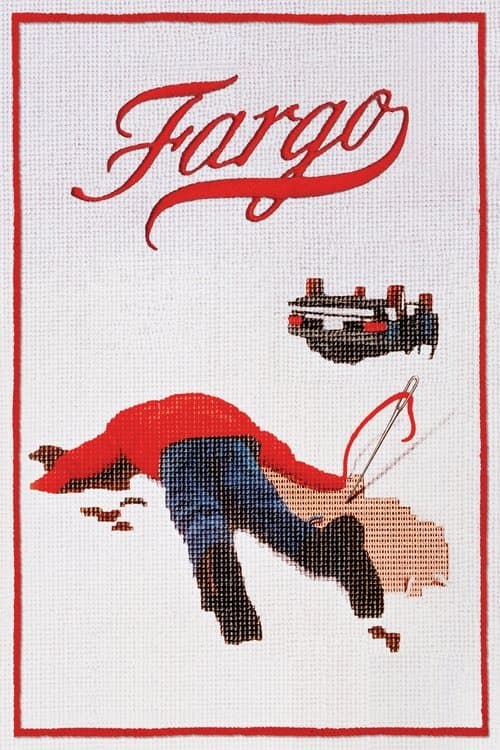
Roger Deakins photographs the Minnesota winter as an unbroken field of white. Roads, fields and sky all merge into the same colorless stretch. People stand exposed against that blankness with nowhere to hide. They are cut off physically, and they are cut off morally too.