Comedy · Crime

The Trouble with Harry

Alfred Hitchcock, 1955

A dead man turns up on a Vermont hillside, and 3 neighbors each think they killed him. They bury him, dig him up and hide him again to avoid the local deputy. Watch how Hitchcock treats a corpse as a minor inconvenience.

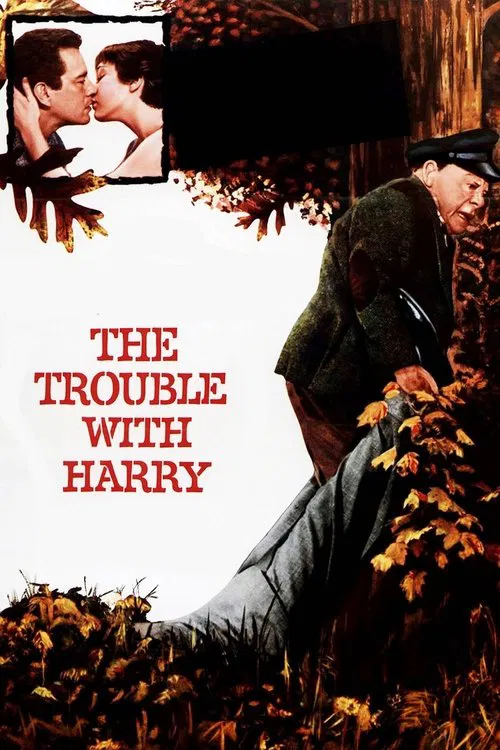
The Trouble with Harry (1955) poster

At a glance

The Trouble with Harry is a 1955 comedy and crime film directed by Alfred Hitchcock. This breakdown covers 5 techniques (2 narrative, 1 psychology and 2 cinematography), each with the scene where you can see it. If you like how it is made, Fargo uses several of the same techniques.

Narrative

Deadpan Absurdism

Showing extreme, violent or surreal events while the characters react as if nothing unusual is happening. That mismatch is funny and unsettling at the same time.

How this film uses it

A corpse is an inconvenience for the neighbors, and nobody screams. No one is much upset about Harry's death. That calm tone makes the scenes funny and also a bit eerie.

Where to see it

The body on the hillside. The neighbors meet Harry's body on the hill and quietly work out what to do with it.
Psychology

Shared Secret Guilt

Binding several characters together through a secret wrong that they hold, confess or hide. The guilt is spread among them and shapes how they treat one another.

How this film uses it

Captain Wiles thinks his stray shot killed Harry. Jennifer thinks she hit him with a milk bottle, and Miss Gravely thinks she did it with a kick from her hiking boot. Each one holds a slice of the blame, and Hitchcock plays that for laughs.

Where to see it

The 3 stories. Each neighbor describes how they believe they killed Harry, and the Captain's shot turns out to have hit only a rabbit.

Narrative

Structured Comic Bits

Building comedy from a repeated gag or an exaggerated physical bit that recurs and escalates, so the repetition itself becomes the joke.

How this film uses it

The villagers keep burying Harry and digging him up again. Each time, the plan changes, usually to keep the body away from the deputy. The repetition builds a rhythm you start to enjoy.

Where to see it

The burial and exhumation. The group buries Harry, digs him up, hides him in a bathtub and finally puts him back where he was found.

Cinematography

Small Town as Moral Geography

Treating a small town as more than a setting. Its buildings, lighting and relationships show the community's values and limits, which shape what the characters can do and what gets destroyed.

How this film uses it

Highwater is a tiny Vermont hamlet where everyone knows everyone and no one trusts the deputy, who earns his living per arrest. The neighbors close ranks against the law, and the body shows what the town values.

Where to see it

The deputy's visit. The neighbors try to hide Harry from Deputy Sheriff Wiggs, who earns his living per arrest.

Cinematography

Color Palette as Worldbuilding

Limiting the film to a tightly chosen set of colors, or giving each place or state its own set. The colors tell you about the world and its mood without dialogue.

How this film uses it

The film is set among autumn leaves in Vermont. The crew arrived to find the trees nearly bare, so they glued leaves back on. The painter John Ferren made the paintings Sam sells, and Hitchcock liked how his vivid colors matched the foliage.

Where to see it

The autumn hillside. Real Vermont locations, with leaves glued to the trees, set the warm look of the burial scenes.

Questions

The Trouble with Harry: quick answers

What filmmaking techniques does The Trouble with Harry use?
CineCode breaks down 5 techniques in The Trouble with Harry (1955): Deadpan Absurdism, Shared Secret Guilt, Structured Comic Bits, Small Town as Moral Geography and Color Palette as Worldbuilding.
Who directed The Trouble with Harry?
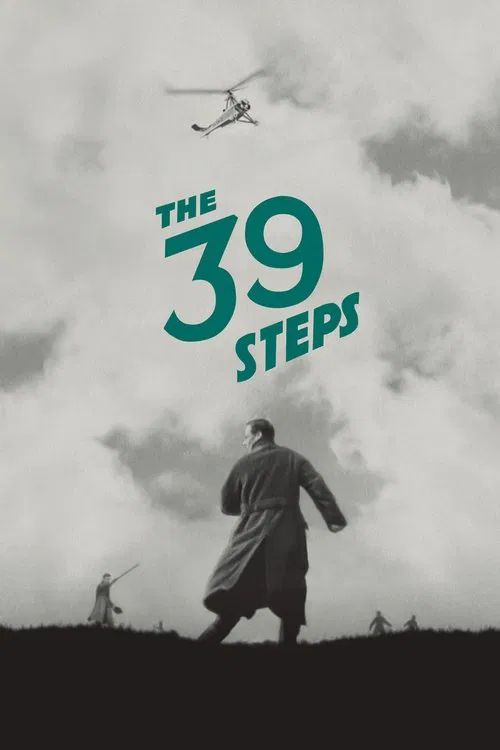
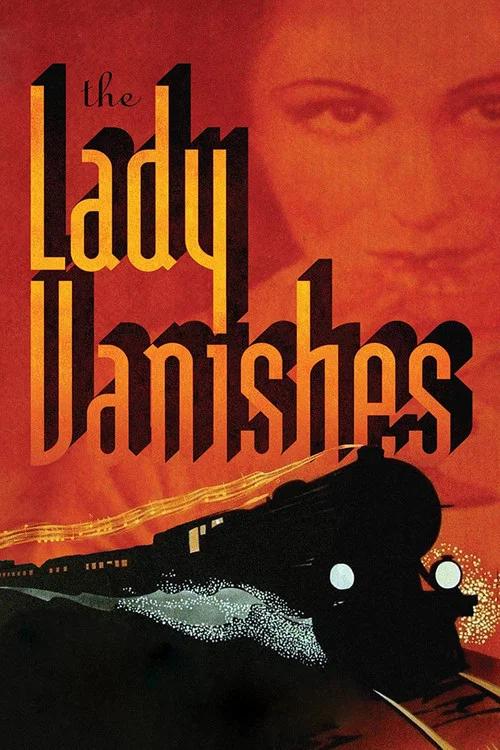
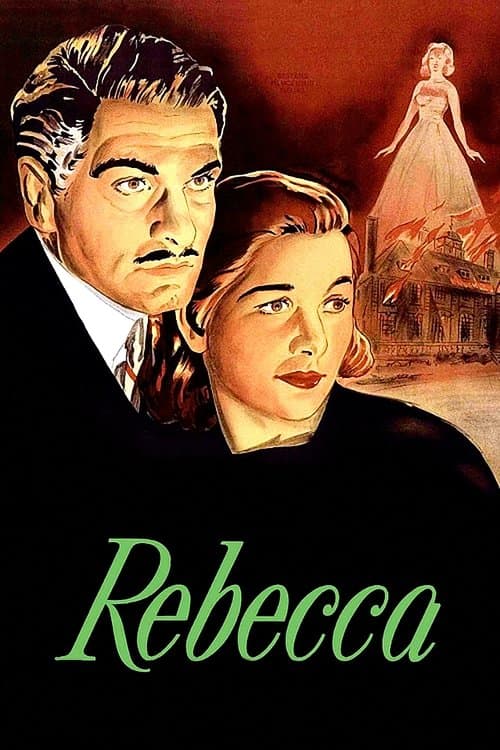
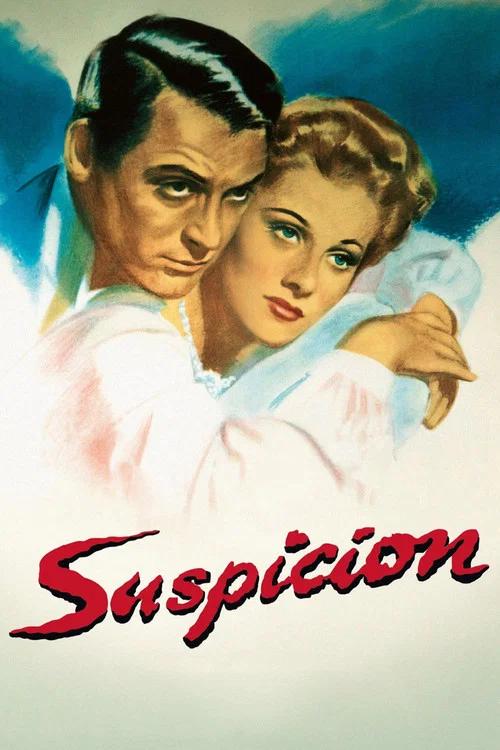
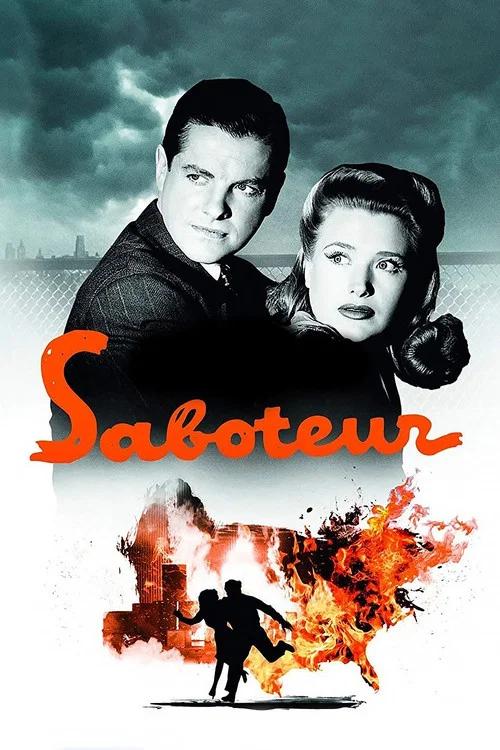
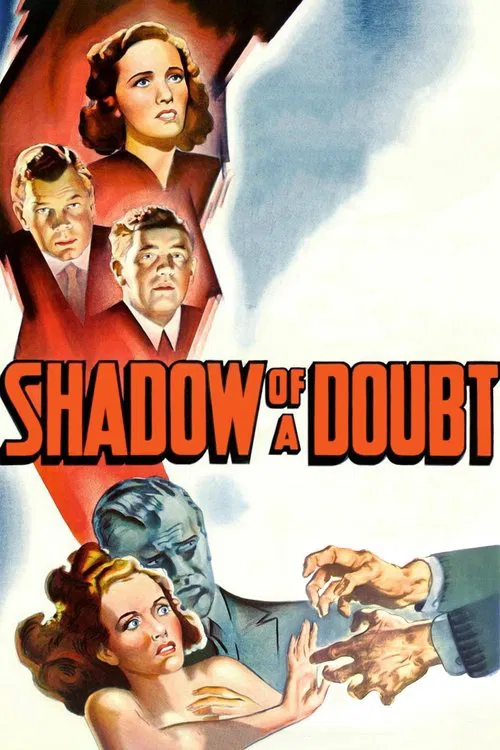
Alfred Hitchcock directed The Trouble with Harry, released in 1955. CineCode also covers The 39 Steps (1935), The Lady Vanishes (1938), Rebecca (1940), Suspicion (1941), Saboteur (1942), Shadow of a Doubt (1943).
What films are similar to The Trouble with Harry?
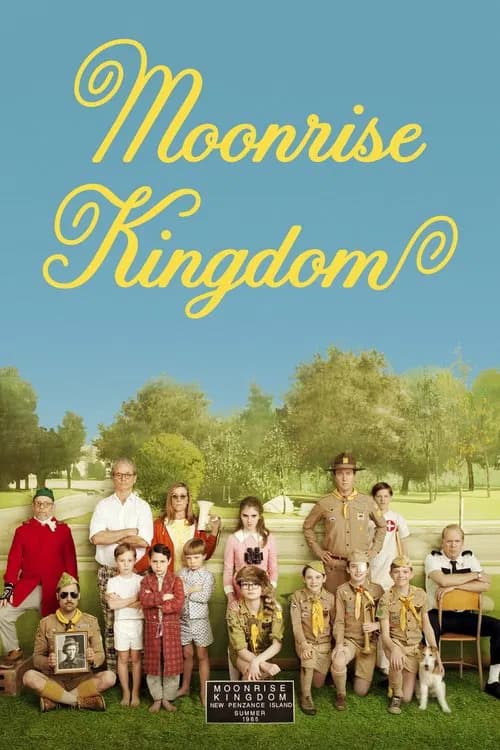
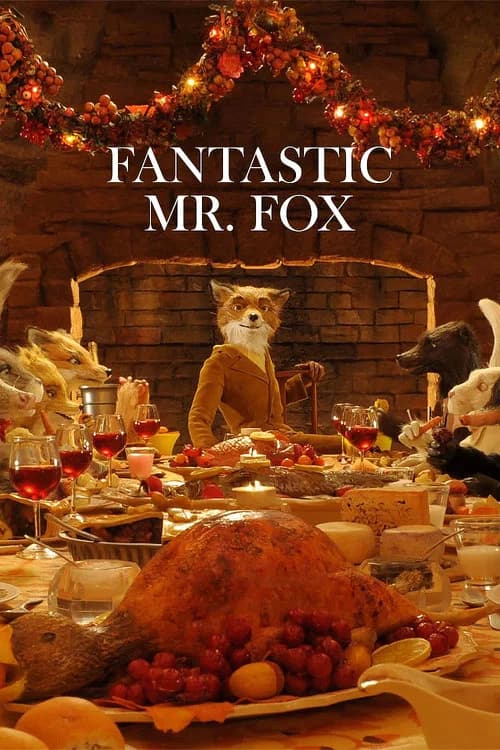
Films that share techniques with The Trouble with Harry include Fargo (1996), Memories of Murder (2003), Moonrise Kingdom (2012), Fantastic Mr. Fox (2009).

Side by side

Compare it with