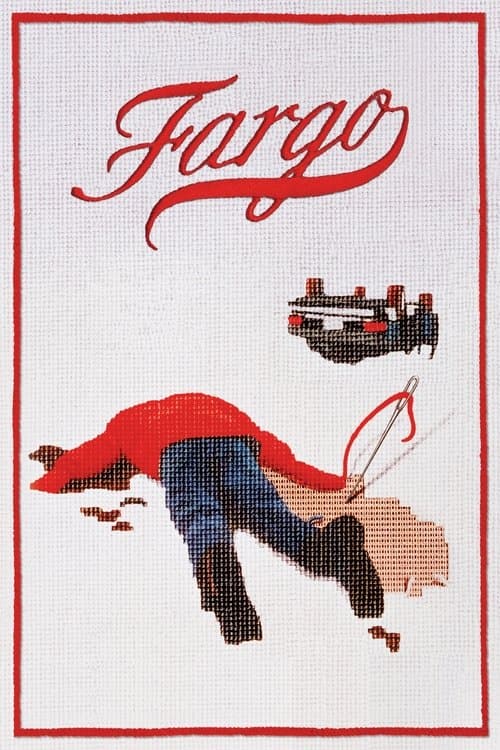
Fargo
Joel Coen, Ethan Coen · 1996
A financially desperate Minnesota car salesman hires two criminals to kidnap his wife for ransom — a scheme that spirals into multiple murders investigated by a very pregnant small-town police chief. The Coens' blackest comedy about the banality of greed.
Techniques Used
4 techniques identified in this film
Small Town as Moral Geography
CinematographyUsing a specific regional landscape — its flatness, its weather, its social architecture — as a moral environment that defines and measures its characters.
How this film uses it
The Minnesota winter is not backdrop — it is moral argument. The flat white expanse makes every body visible, every car trackable, every footprint legible. The landscape's openness means there is nowhere to hide, which is the film's argument about crime in a place where everyone knows everyone. The cold is also the Coens' temperature for evil: indifferent, functional, without drama.
Deadpan Absurdism
NarrativeA tonal register in which violent or catastrophic events are presented with flat, matter-of-fact delivery — the comedy arising from the gap between what is happening and how seriously everyone takes ordinary things around it.
How this film uses it
Murder is discussed in the same register as parking. Gaear kills a state trooper and goes to eat at a diner. Marge interviews witnesses while visibly pregnant, discussing violent death with the same cheerfulness she uses for small talk. The Coens treat catastrophe as bureaucratic incident — the deadpan makes the violence more unsettling, not less.
Bookend Moral Frame
NarrativeOpening and closing a film with structurally parallel moments — often from a morally authoritative perspective — so that the ending delivers the film's verdict on everything between.
How this film uses it
The film opens with Marge driving through the flat white landscape toward crime; it closes with her in bed with Norm, talking about his duck stamp appearing on a three-cent stamp. The domesticity and contentment of the closing frame — so small against the carnage preceding it — is the film's argument: ordinary goodness is its own reward and its own sufficient answer to the greed that caused all the death.
Forensic Inference Narration
NarrativeA narrative built around a detective's process of reasoning from physical evidence to conclusion — the investigation as the story's spine.
How this film uses it
Marge's investigation is methodical, cheerful, and accurate. She reasons correctly at every step — identifying the car, tracing the dealer, connecting the crimes. The Coens give her a competence that makes the film's criminals look even more pathetic. She is not brilliant; she is simply attentive, which turns out to be sufficient.
You Might Also Like
Films that share at least one technique with Fargo
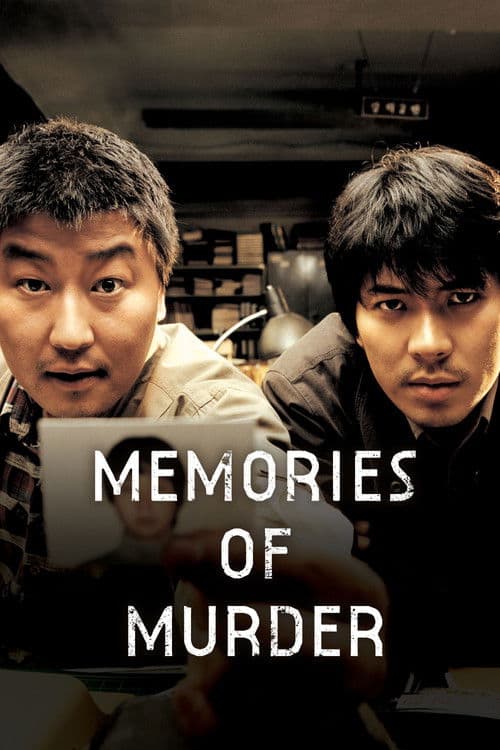
Two detectives — a provincial brawler and a methodical Seoul investigator — pursue South Korea's first documented serial killer across rice paddies and rural villages in 1986. Bong Joon-ho's breakthrough film is simultaneously a forensic procedural and a portrait of a society whose institutions are not yet equipped for the crimes they face.
Memories of Murder
Bong Joon-ho · 2003
A desperate car salesman hires two criminals to kidnap his wife for ransom, setting off a chain of incompetent violence that falls to pregnant police chief Marge Gunderson to untangle. The Coens' moral masterpiece locates good and evil in the same flat, snow-covered landscape and finds that decency is more durable than crime.
Fargo
Joel Coen, Ethan Coen · 1996
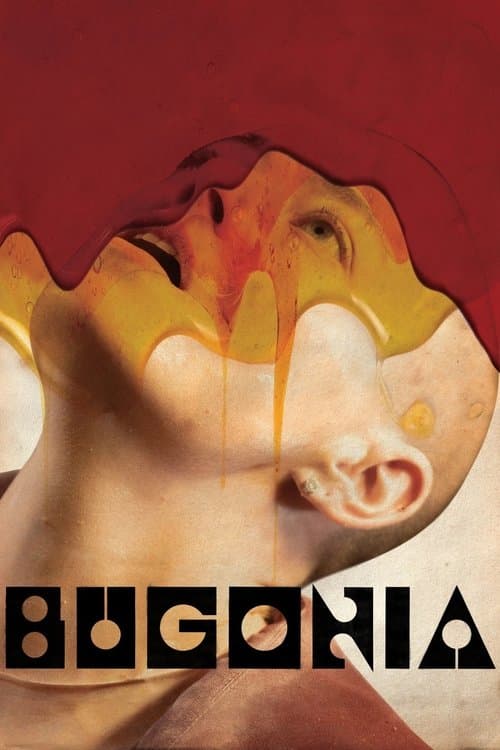
A delusional beekeeper convinced that a pharmaceutical CEO is an alien infiltrator kidnaps her and imprisons her in his basement to extract a confession. A darkly absurdist hostage thriller in which paranoia, corporate power, and human self-deception become indistinguishable.
Bugonia
Yorgos Lanthimos · 2025