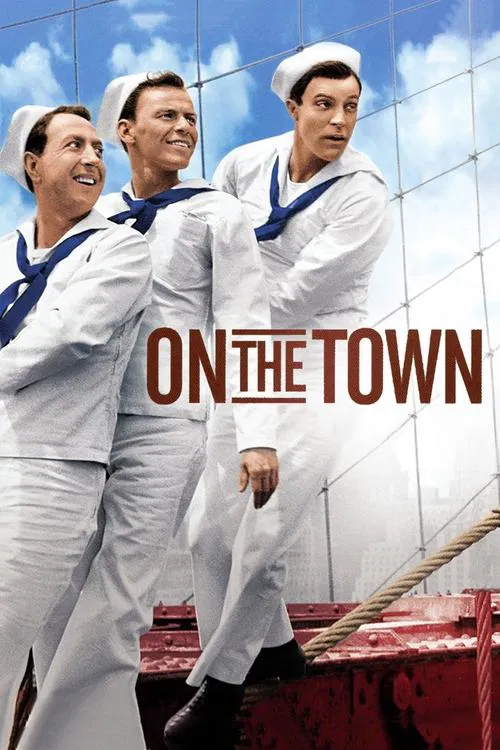
Three sailors get 24 hours of shore leave in New York and spend it chasing a girl from a subway poster, a taxi driver and an anthropologist. It is a musical made in the open air of a real city, which is the thing to watch for as a filmmaker.
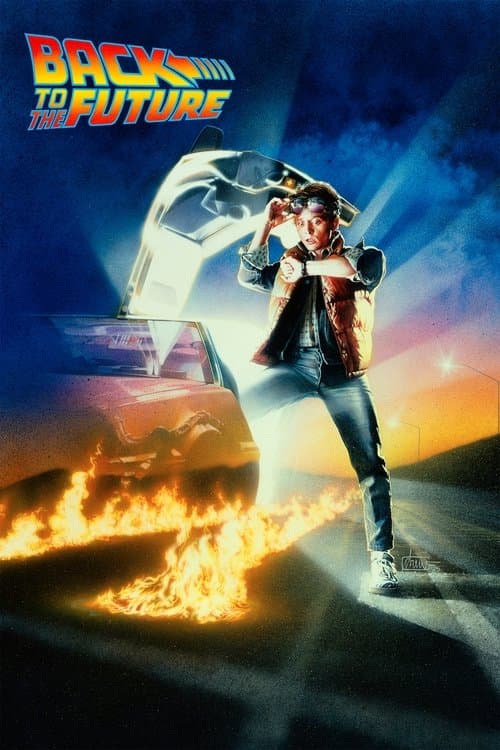
On the Town is a 1949 musical, comedy and romance film directed by Stanley Donen, Gene Kelly. This breakdown covers 4 techniques (1 cinematography, 1 narrative, 1 sound and 1 editing), each with the scene where you can see it. If you like how it is made, Back to the Future uses several of the same techniques.
Filming in recognizable real places so the setting acts like part of the cast. Streets, buildings and landscapes shape the mood of the story.
How this film uses it
Kelly and Donen pushed MGM to shoot musical numbers in New York itself, with a short location shoot at spots like Columbus Circle, the Brooklyn Bridge and Rockefeller Center. Crowds of Frank Sinatra fans caused trouble, so some shots were taken from a camera hidden in a station wagon. The city feels real and busy, and the sailors seem to be running through it for real.
Where to see it
New York, New York: The three sailors sing their way through the streets of Manhattan on the morning of their leave, sightseeing as they go.
Building the story around a clear deadline the hero must beat. The time pressure and the obstacles grow with each scene until the climax.
How this film uses it
The whole plot is squeezed into one day of shore leave. Every date, chase and song has to fit before the ship sails. The deadline makes even the silly detours feel urgent.
Where to see it
The pier finale: The leave ends, the sailors are taken back to the ship, police escort the women to the pier and each couple shares a last kiss before it departs.
Using a song or music contest to show who a character is or what they stand for. The music works as argument, duel or revelation.
How this film uses it
The songs tell you who each person is. Gabey sings about his hometown while pretending to show Ivy a date there, and Chip and Hildy trade teasing lines in a number built on insults.
Where to see it
Main Street: Gabey and Ivy act out an imaginary date in his small hometown inside a dance studio, and the song shows how much he wants a simple life.
Bringing back an earlier image, line, location or piece of staging later in the film, often with the situation reversed. You enjoy recognizing it, and the comparison adds meaning.
How this film uses it
The film opens with a shipyard worker singing a sleepy song about not being out of bed yet. It comes back at the end, with the next batch of sailors arriving. The repeat tells you the whole adventure was one day in a cycle that goes on.
Where to see it
Opening and closing song: A worker sings at the shipyard at dawn, and the same song returns when the leave is over and a new day starts.
Questions
On the Town: quick answers
What filmmaking techniques does On the Town use?
CineCode breaks down 4 techniques in On the Town (1949): Real Locations as Character, Ticking Clock Structure, Song as Character Expression and Callback Editing.
Who directed On the Town?
Stanley Donen, Gene Kelly directed On the Town, released in 1949. CineCode also covers Singin' in the Rain (1952).
What films are similar to On the Town?
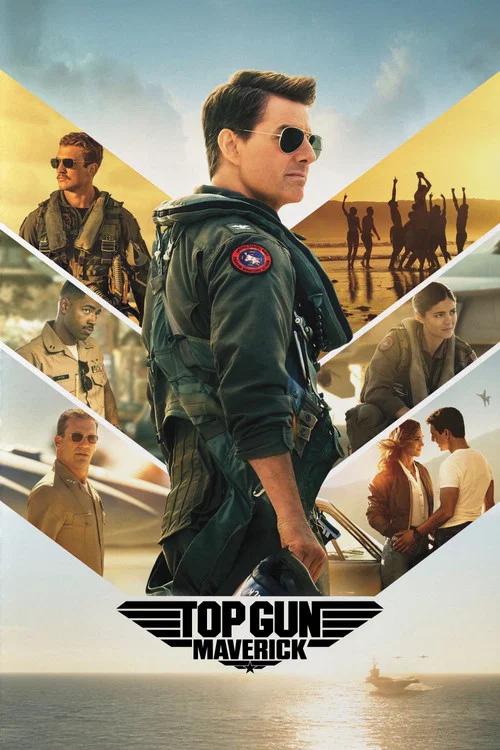
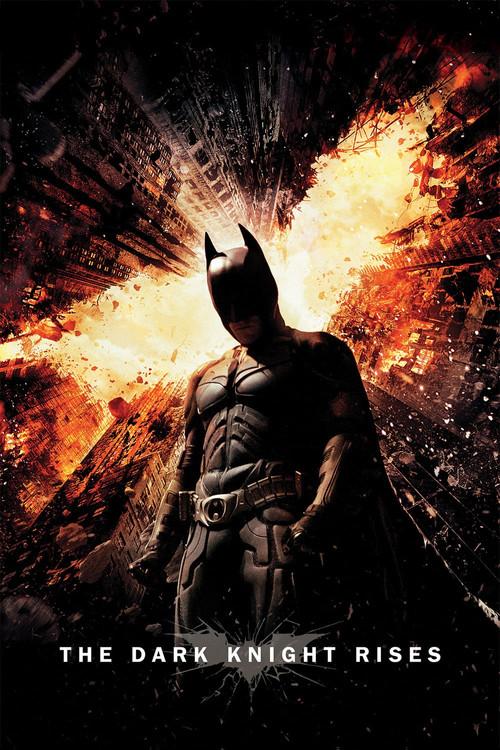
Films that share techniques with On the Town include Back to the Future (1985), Top Gun: Maverick (2022), The Dark Knight Rises (2012), Before Sunset (2004).