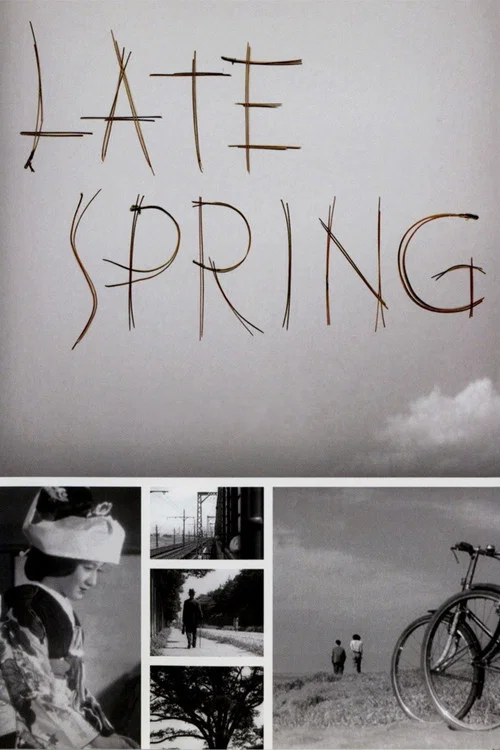
Noriko is 27, lives with her widowed father and does not want to marry because she is happy caring for him. Her aunt and friends press her to find a husband. Ozu's film is quiet, and its closing scene of the father alone is one of the saddest in cinema.
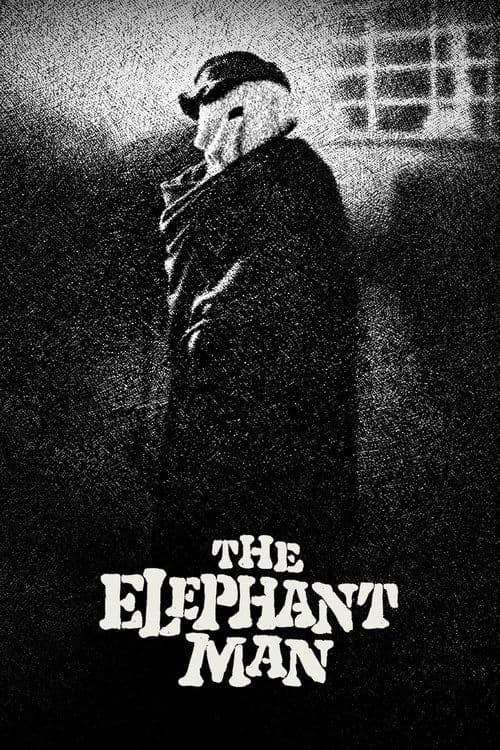
Late Spring is a 1949 drama film directed by Yasujiro Ozu. This breakdown covers 5 techniques (2 narrative, 1 psychology, 1 cinematography and 1 editing), each with the scene where you can see it. If you like how it is made, The Elephant Man uses several of the same techniques.
Watching events from a measured distance with no swelling music, tear-jerking close-ups or showy camera moves. The film trusts what happens to carry the weight on its own.
How this film uses it
Ozu keeps the camera low and still, and uses only cuts with no fades or dissolves. There are no swelling cues, so you read feelings from small actions. The restraint lets a tiny moment feel enormous.
Where to see it
The ending. The father sits alone after the wedding and peels an apple in one long ribbon.
Having a character invent and keep up a false version of reality to shield someone they love, or themselves, from a truth too painful to bear. The lie is a way to survive.
How this film uses it
The father tells Noriko he plans to marry a young widow so she will feel free to leave him. It is a lie to protect her from guilt. Only after the wedding does he admit to a friend that it was a ruse.
Where to see it
The father's announcement. After Noriko becomes jealous at the performance, her father tells her he plans to remarry.
Fixing the camera in one position with no movement. What you learn comes only from what passes in front of it.
How this film uses it
Ozu keeps the camera at a low height and almost never moves it. You are placed like someone sitting on a tatami mat, watching the family. Everything comes from what passes in front of the lens.
Where to see it
The opening tea ceremony. Ozu films the ceremony at the Kamakura temple from a low, still camera.
Cutting away from the action to a still shot of an object or place, such as a vase or a street. The pause gives you room to feel what the scene left unsaid.
How this film uses it
Ozu cuts to quiet images between scenes, and the best known is a vase in a Kyoto inn. The shot holds still on an object while the people are out of the frame. It gives you time to feel what the characters leave unsaid.
Where to see it
The Kyoto inn. Noriko and her father lie on their futons and talk about Onodera's remarriage, and the film holds on a vase.
Embedding a play or musical inside the film, so the staged piece mirrors or comments on the characters' real lives.
How this film uses it
A Noh play is performed on screen, and the play mirrors the story. Noriko sees her father greet Mrs. Miwa, and she becomes jealous. The calm stage ritual plays against her sudden jealousy.
Where to see it
The Noh theater. Shukichi greets Mrs. Miwa while Noriko watches the performance.
Questions
Late Spring: quick answers
What filmmaking techniques does Late Spring use?
CineCode breaks down 5 techniques in Late Spring (1949): Observational Restraint, Protective Fiction, Locked-Off Camera, Pillow Shot and Staged Performance Within Film.
Who directed Late Spring?
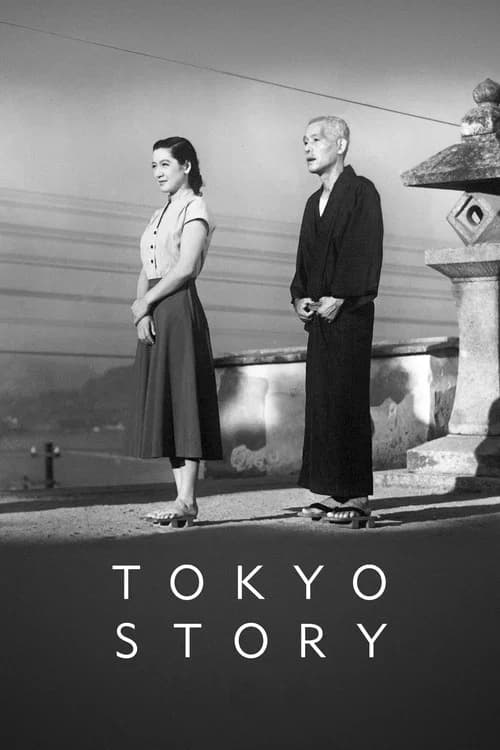
Yasujiro Ozu directed Late Spring, released in 1949. CineCode also covers Tokyo Story (1953).
What films are similar to Late Spring?
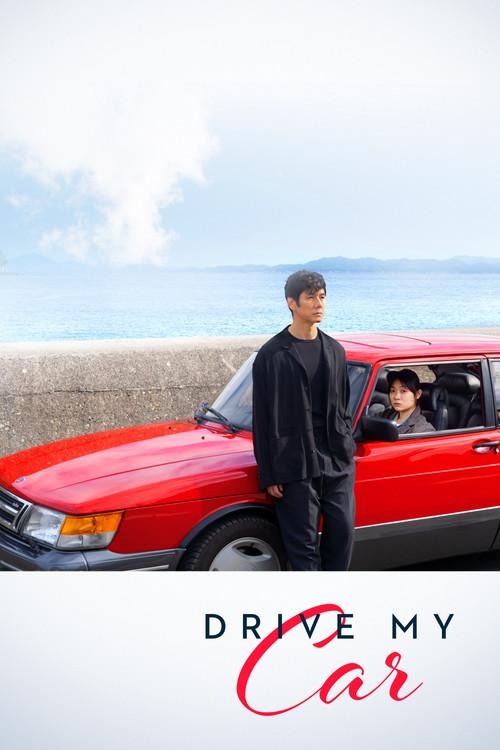
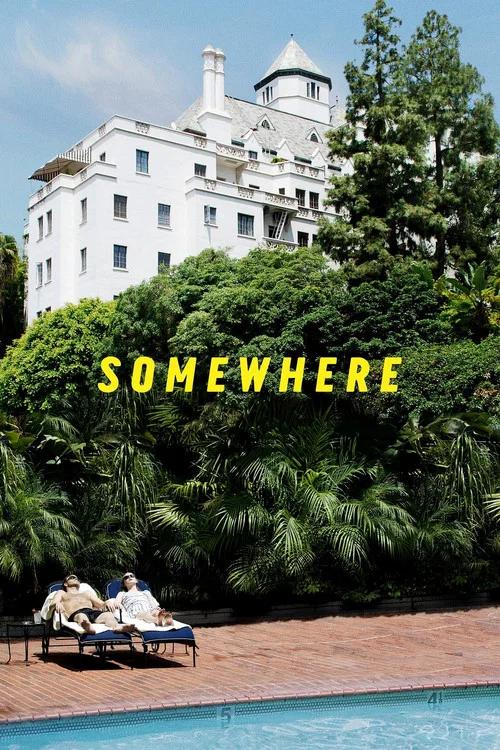
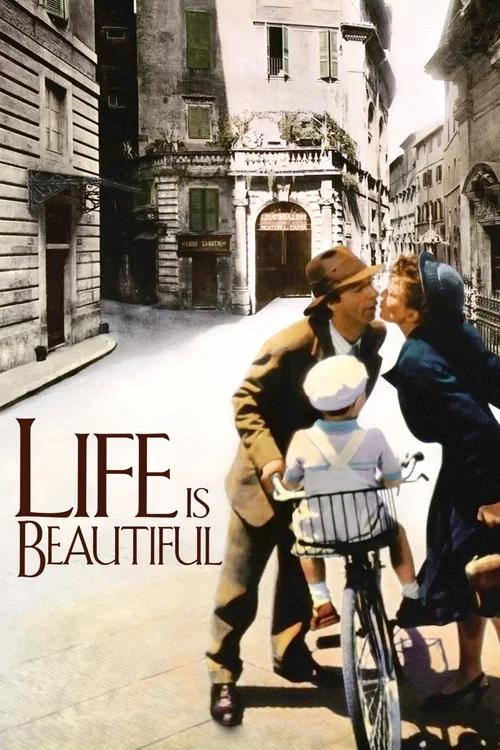
Films that share techniques with Late Spring include The Elephant Man (1980), Drive My Car (2021), Somewhere (2010), Life is Beautiful (1997).