Action · Crime · Drama

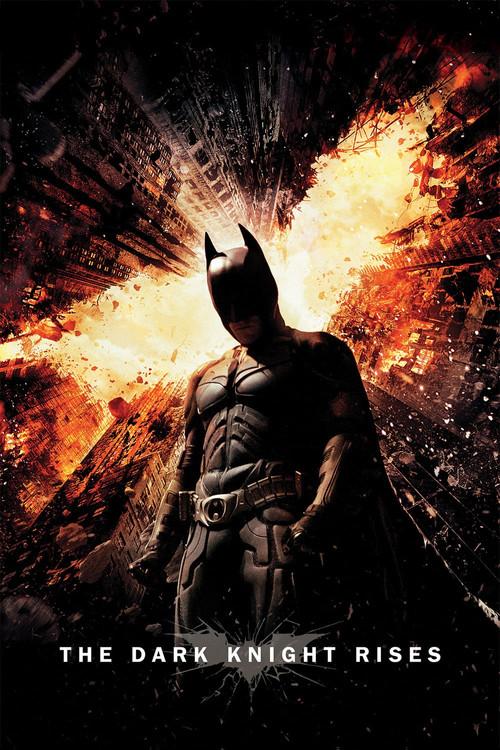
The Dark Knight Rises

Christopher Nolan, 2012

8 years after The Dark Knight, Bruce Wayne has given up being Batman. A masked terrorist named Bane breaks him, dumps him in a prison pit on the other side of the world and takes Gotham hostage with a nuclear bomb. Over an hour of it was shot on IMAX film, so it rewards the biggest screen you can find.

The Dark Knight Rises (2012) poster

At a glance

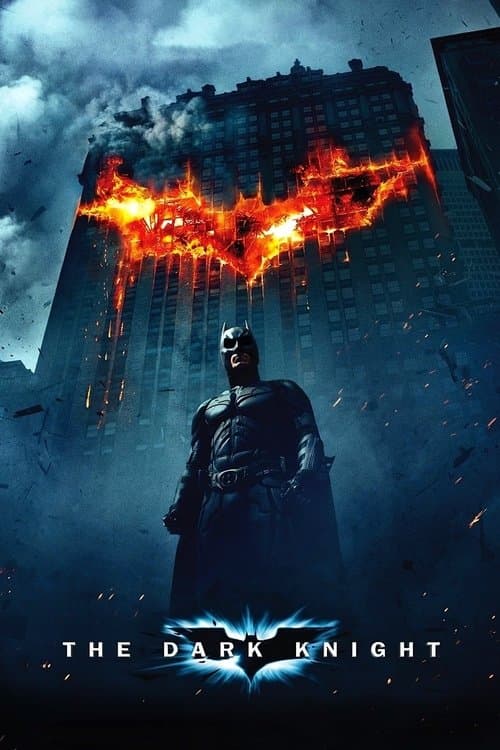
The Dark Knight Rises is a 2012 action, crime and drama film directed by Christopher Nolan. This breakdown covers 5 techniques (1 cinematography, 2 narrative, 1 sound and 1 editing), each with the scene where you can see it. If you like how it is made, The Dark Knight uses several of the same techniques.

Cinematography

IMAX Cinematography

Shooting on very large-format 70mm IMAX film, which gives a much sharper, deeper and taller picture. It captures huge scale and small detail in the same shot.

How this film uses it

Nolan shot more than an hour of the film with IMAX cameras, over twice as much as The Dark Knight. The opening hijack was filmed in the air over Scotland, with a real C-130 cargo plane and stunt performers. The tall IMAX frame makes the drop below the planes feel enormous.

Where to see it

The opening hijack. Bane's men latch a C-130 onto a CIA plane carrying a nuclear scientist, then rip the smaller plane apart in midair.
Narrative

Ideological Villain

Writing a villain whose danger comes from a belief system that makes sense on its own terms. The story has to take on their ideas, and beating them physically isn't enough.

How this film uses it

Bane sells his takeover as a revolution. He tells Gotham he's handing the city back to its people, frees the prisoners and lets show trials sentence the rich. Some of his speeches sound appealing, which makes him scarier than a regular thug.

Where to see it

The football stadium. Bane blows up the field and most of Gotham's bridges, then tells the stunned crowd that the city now belongs to them.

Narrative

Ticking Clock Structure

Building the story around a clear deadline the hero must beat. The time pressure and the obstacles grow with each scene until the climax.

How this film uses it

Once Bane controls the bomb, Gotham is cut off and waiting for it to go off. The months pass in a few scenes while Bruce recovers in the pit. In the last act, the bomb's timer runs down and every fight is a race against it.

Where to see it

The final chase. Batman hooks the bomb to the Bat and flies it out over the bay as the timer runs out.

Sound

Leitmotif

Repeating a short piece of music or a sound every time a certain character, idea or feeling comes up. You learn to connect the 2.

How this film uses it

A chant runs through the film. Hans Zimmer built it partly from voices people recorded and sent in online. It belongs to Bane, and it also rises from the prisoners whenever someone tries to climb out of the pit. When Bruce makes the climb, the same sound lifts him up.

Where to see it

Bruce's last climb. He tries the jump without the safety rope, and the prisoners' chant swells as he makes it out.

Editing

Callback Editing

Bringing back an earlier image, line, location or piece of staging later in the film, often with the situation reversed. You enjoy recognizing it, and the comparison adds meaning.

How this film uses it

Early in the film, Alfred tells Bruce about a café in Florence where he used to picture seeing Bruce happy with a family. In the last scene, Alfred is at that café and sees Bruce alive, sitting with Selina. They nod to each other and say nothing, just like Alfred imagined.

Where to see it

The café in Florence. Alfred looks up from his table and sees Bruce across the room with Selina Kyle.

Questions

The Dark Knight Rises: quick answers

What filmmaking techniques does The Dark Knight Rises use?
CineCode breaks down 5 techniques in The Dark Knight Rises (2012): IMAX Cinematography, Ideological Villain, Ticking Clock Structure, Leitmotif and Callback Editing.
Who directed The Dark Knight Rises?
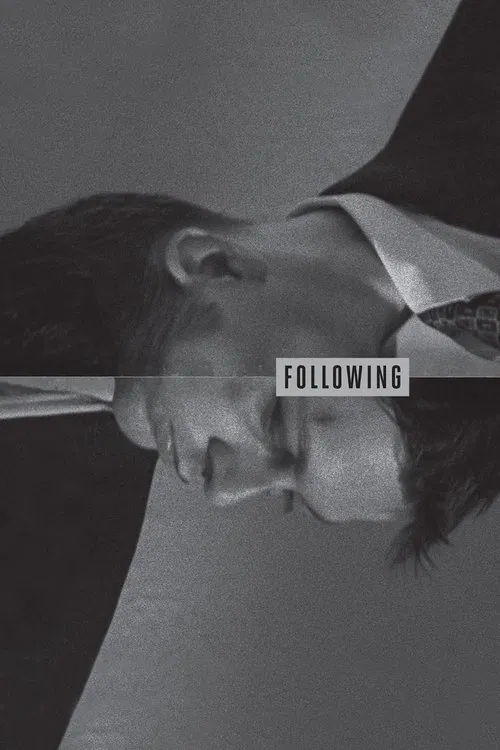
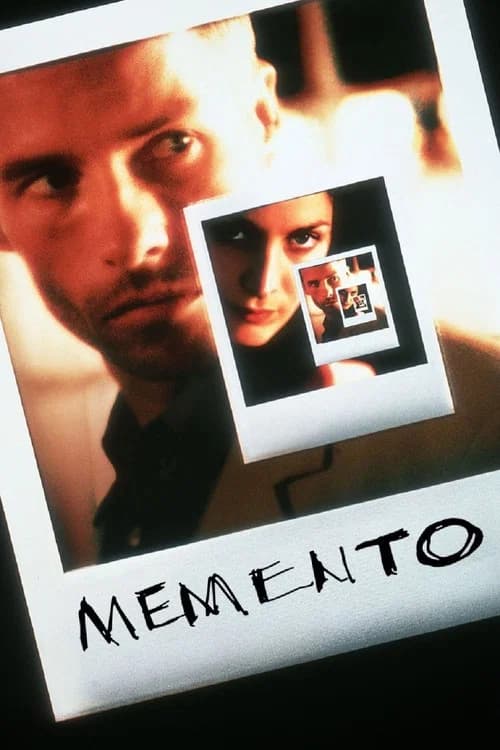
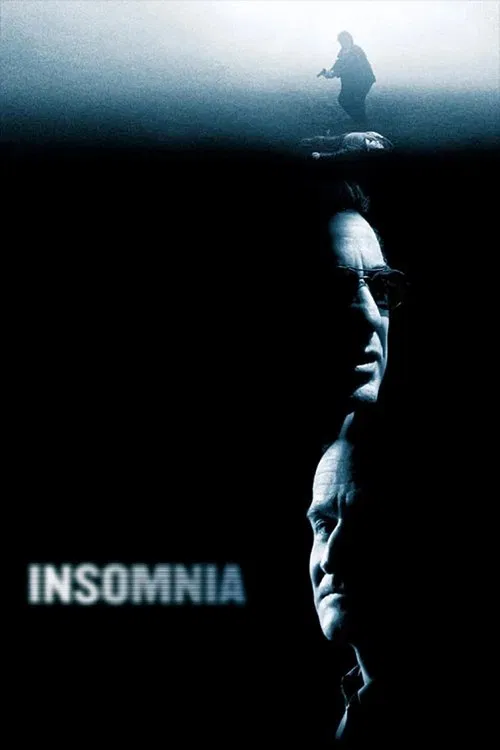
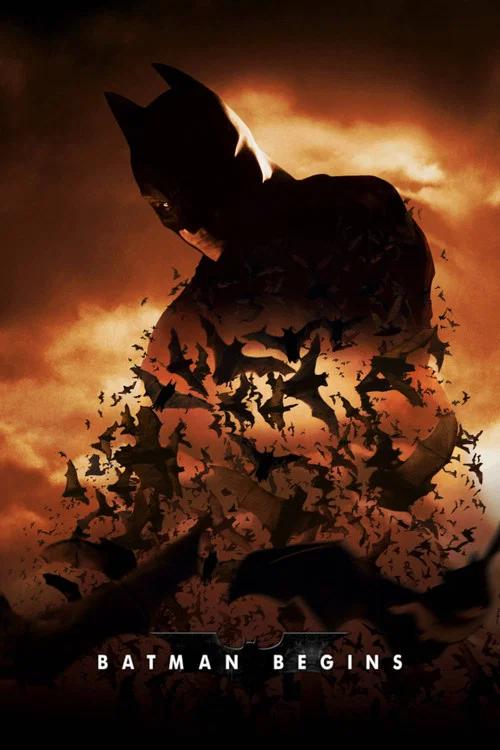
Christopher Nolan directed The Dark Knight Rises, released in 2012. CineCode also covers Following (1998), Memento (2000), Insomnia (2002), Batman Begins (2005), The Prestige (2006), The Dark Knight (2008).
What films are similar to The Dark Knight Rises?
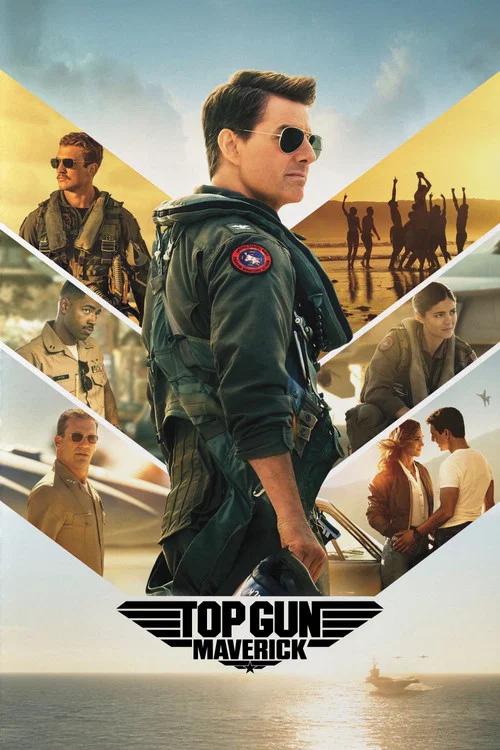
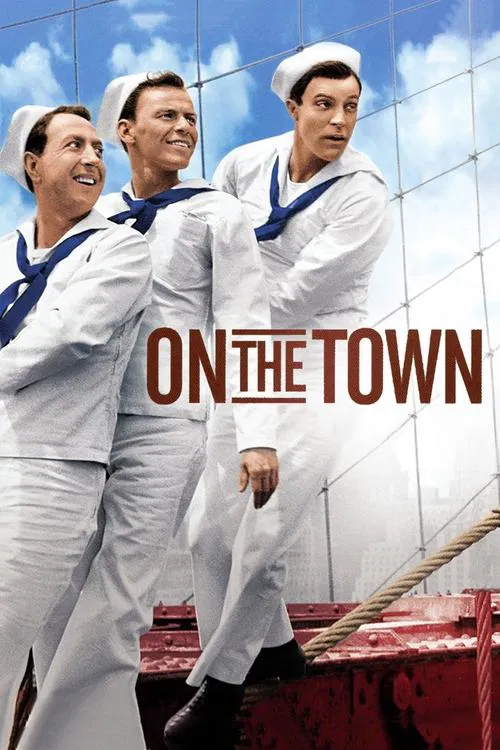
Films that share techniques with The Dark Knight Rises include The Dark Knight (2008), Back to the Future (1985), Top Gun: Maverick (2022), On the Town (1949).