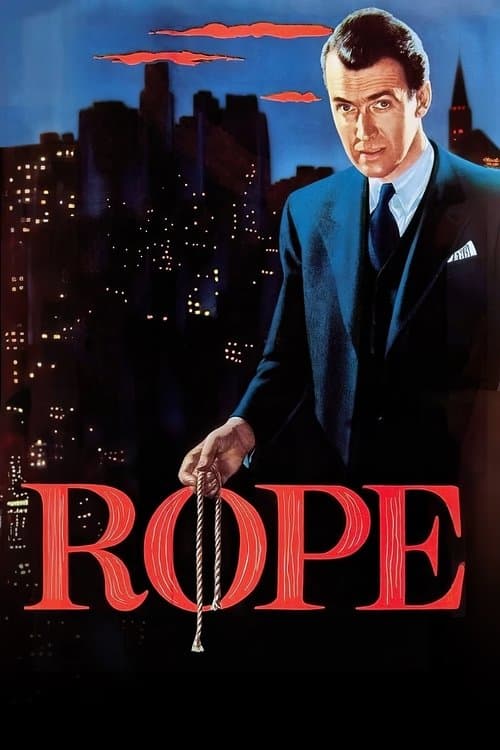
Rope
Alfred Hitchcock · 1948
Two young men strangle a former classmate and hide his body in a chest in their apartment, then throw a dinner party for the victim's family and friends — including the prep school housemaster whose Nietzschean philosophy inspired the murder. Hitchcock's formal experiment in real-time cinema.
Techniques Used
4 techniques identified in this film
Single-Location Cinematography
CinematographyConfining the entire film to a single space — using its architecture, its limits, and its furniture as the film's only dramatic environment.
How this film uses it
Every scene in Rope takes place in the Park Avenue penthouse apartment. Hitchcock uses the space's geography — the chest, the bookcase, the dinner table, the windows — as the film's entire dramatic vocabulary. The confined space means that danger and normalcy must coexist in the same room, which is the film's formal argument about the murderers' self-possession.
The Bomb Under the Table
NarrativeGiving the audience information that characters lack — showing us the danger hidden in plain sight — so that ordinary scenes become unbearable with dramatic irony.
How this film uses it
The audience knows about the body from the film's first minute. Every subsequent scene — the dinner, the conversation, the books stacked on the chest — is saturated with the knowledge the guests do not have. Hitchcock makes the dramatic irony total: we know everything; they know nothing; and the film runs in real time, forcing us to sit with this knowledge without relief.
Ticking Clock Structure
NarrativeA narrative built on escalating time pressure — each scene bringing a deadline closer, the climax forced by an irreversible approaching moment.
How this film uses it
The dinner party is the deadline: every moment is a moment closer to either discovery or the party's safe conclusion. Rupert's departure would represent the murderers' success; his return represents the film's climax. The real-time structure means the clock is not metaphorical — the film literally runs out of safe time at the same rate the audience watches it.
Unbroken Dialogue Scene
EditingAn extended scene of sustained conversation — running well beyond conventional scene length — that builds tension through what is said, nearly said, and deliberately not said.
How this film uses it
The film is composed almost entirely of unbroken dialogue scenes — conversations that run for the length of an entire reel, the camera moving through the apartment rather than cutting between angles. The technique forces the actors to sustain tension through performance rather than editorial intervention. The conversations are the film; there is nothing else.
You Might Also Like
Films that share at least one technique with Rope
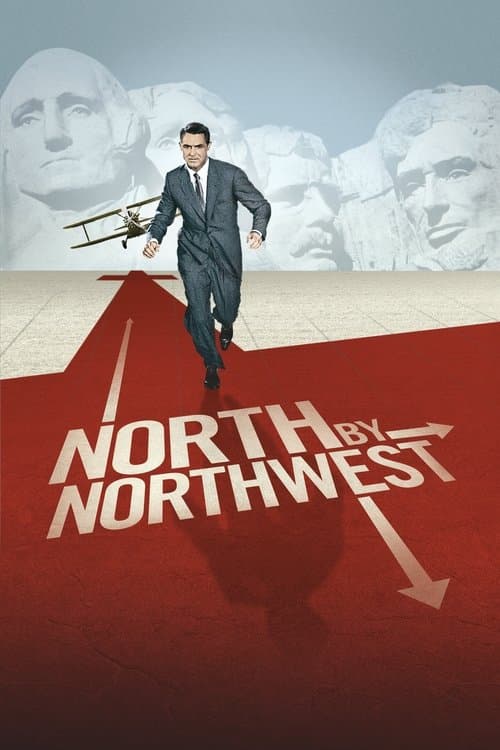
An advertising executive is mistaken for a government agent, pursued by foreign spies across the country, and drawn into a conspiracy that is never quite what it appears. Hitchcock's most purely pleasurable film, and the one that invented the modern action thriller.
North by Northwest
Alfred Hitchcock · 1959
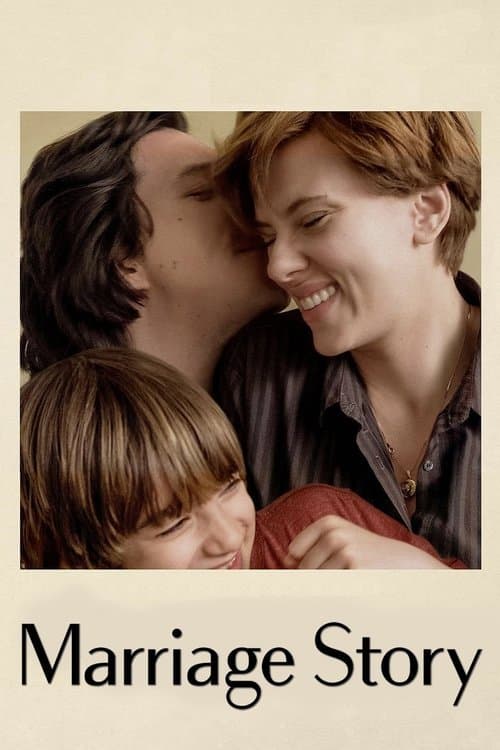
A stage director and an actress navigate the dissolution of their marriage through divergent coasts, competing lawyers, and the devastating arithmetic of what is owed to the self versus what is owed to love. Noah Baumbach's film is a compassionate and clear-eyed account of two people who love each other and cannot remain together.
Marriage Story
Noah Baumbach · 2019
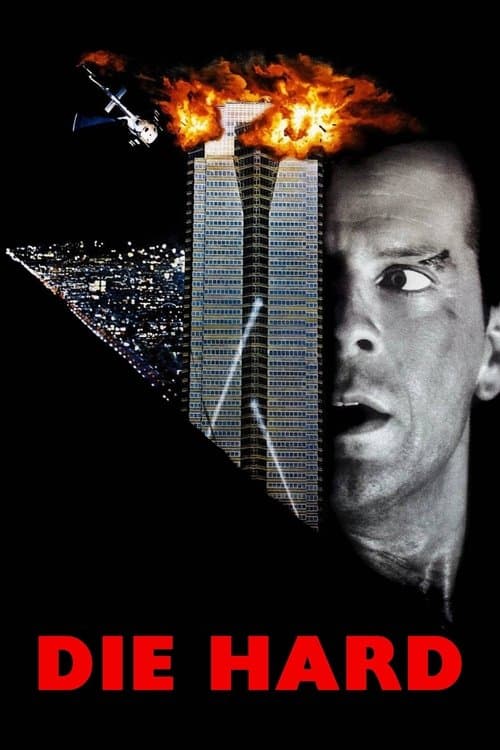
New York cop John McClane visits his estranged wife in Los Angeles on Christmas Eve, only to find her office building taken over by a group of thieves posing as terrorists — and must stop them alone while barefoot on broken glass. The film that defined the modern action template.
Die Hard
John McTiernan · 1988