Film Noir · Crime · Drama

Key Largo

John Huston, 1948

A war veteran visits a Florida hotel to see his dead friend's family, and a hurricane traps him there with a gangster and his crew. He has to choose whether to fight. It is a tense chamber piece shot mostly on studio sets.

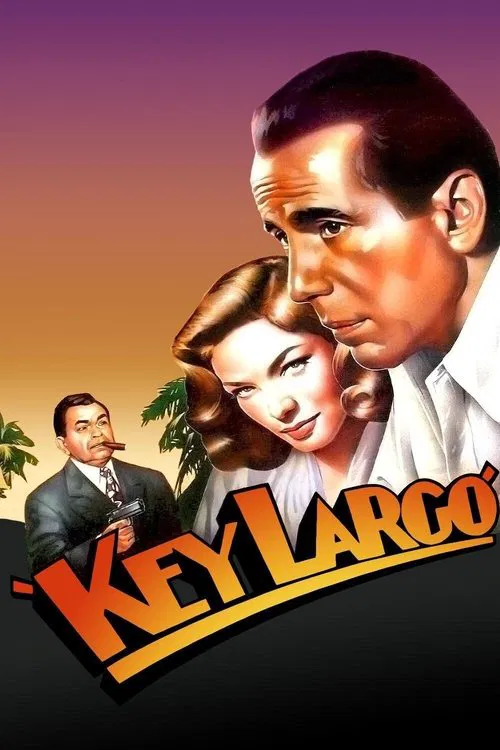
Key Largo (1948) poster

At a glance

Key Largo is a 1948 film noir, crime and drama film directed by John Huston. This breakdown covers 5 techniques (2 cinematography, 2 narrative and 1 sound), each with the scene where you can see it. If you like how it is made, Stalag 17 uses several of the same techniques.

Cinematography

Single-Location Cinematography

Shooting almost the whole film in 1 confined place. Set design and camera movement keep it visually interesting, and the space itself takes on meaning as the story goes on.

How this film uses it

Most of the film takes place inside the Hotel Largo. The production shot mainly at Warner Bros. in Burbank, with interiors on a sound stage and boat scenes in a large indoor tank. The enclosed space makes you feel trapped with the gang.

Where to see it

The hostage standoff. The gang pulls guns on the Temples and Frank inside the hotel as the storm gets closer.
Narrative

The Long Reveal

Holding back a key piece of information for a large part of the film, then revealing it in 1 moment. Everything you already watched now means something different.

How this film uses it

The hotel guests say they are in the Keys to fish. Only when the hurricane approaches do they pull guns, and you learn the secluded sixth guest is the gangster Johnny Rocco. Everything earlier now looks like a cover story.

Where to see it

The guns come out. As the storm approaches, the four guests take the Temples and Frank hostage and explain who Rocco is.

Narrative

Character Arc Inversion

Taking a character to the opposite of where they started, such as from weak to strong or from decent to compromised. That reversal is what the film is about.

How this film uses it

Frank first refuses to fight, saying one Rocco more or less is not worth dying for. By the end, he has used seamanship and a stolen gun to kill the gang one by one. He moves from reluctance to action, and that reversal is the film's point.

Where to see it

Frank refuses Rocco's challenge. Later, as the gang prepares to board the boat, Gaye passes him Rocco's gun, and at sea he starts taking the gang down.

Cinematography

Weather as Emotional Mirror

Letting rain, storms, sunshine or changing scenery reflect what characters feel, often breaking at the story's peak. The environment says what the characters cannot.

How this film uses it

A hurricane is coming, and it keeps the guests, the family and the gang together in one building. When the storm passes, so does the stalemate, and the violence moves out to sea.

Where to see it

The storm night. The characters wait out the hurricane in the hotel while Rocco bullies Gaye.

Sound

Song as Character Expression

Using a song or music contest to show who a character is or what they stand for. The music works as argument, duel or revelation.

How this film uses it

Rocco forces Gaye to sing a cappella before he lets her have a drink. The song, Moanin' Low, is about a woman trapped with a cruel man, and she realizes she is describing her own life. Huston surprised Claire Trevor by shooting it without rehearsal.

Where to see it

Gaye's song. Rocco makes her sing for a drink and then humiliates her.

Questions

Key Largo: quick answers

What filmmaking techniques does Key Largo use?
CineCode breaks down 5 techniques in Key Largo (1948): Single-Location Cinematography, The Long Reveal, Character Arc Inversion, Weather as Emotional Mirror and Song as Character Expression.
Who directed Key Largo?
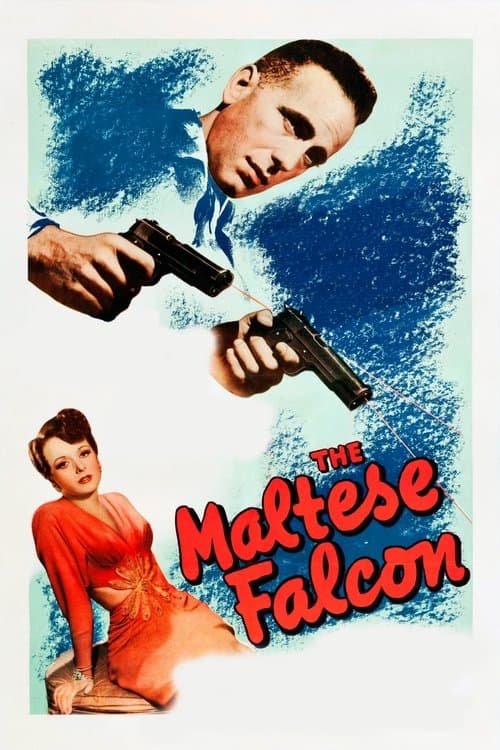
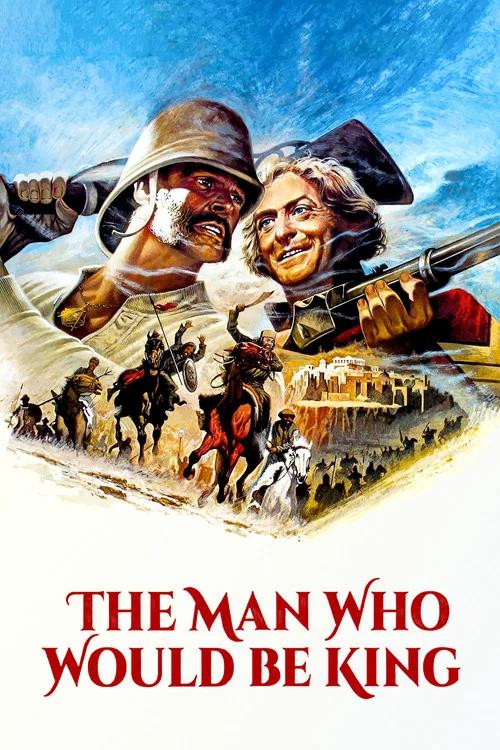
John Huston directed Key Largo, released in 1948. CineCode also covers The Maltese Falcon (1941), The Treasure of the Sierra Madre (1948), The Asphalt Jungle (1950), The African Queen (1951), Moby Dick (1956), The Man Who Would Be King (1975).
What films are similar to Key Largo?
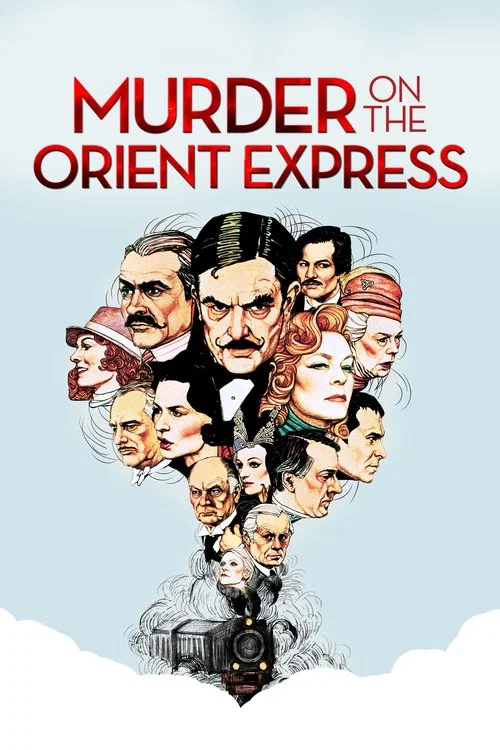
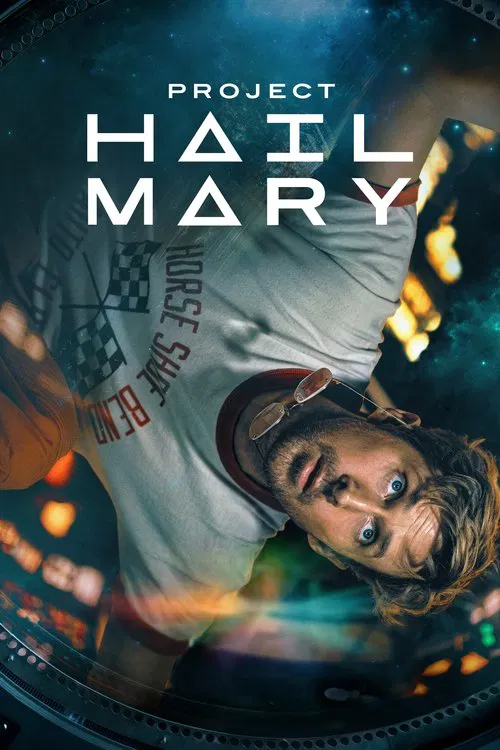
Films that share techniques with Key Largo include Stalag 17 (1953), Autumn Sonata (1978), Murder on the Orient Express (1974), Project Hail Mary (2026).