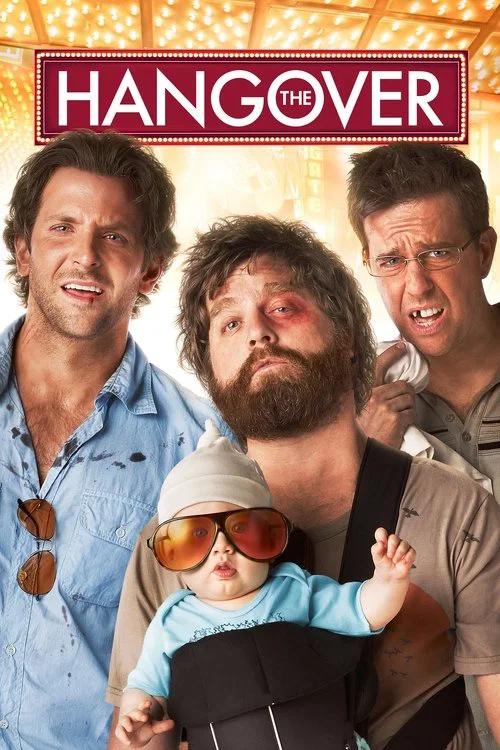
Three friends wake up in a trashed Las Vegas suite after a bachelor party, with no memory of the night, a tiger in the bathroom and the groom missing. They have to retrace their steps before his wedding. The film is worth watching for how it builds a mystery out of jokes.
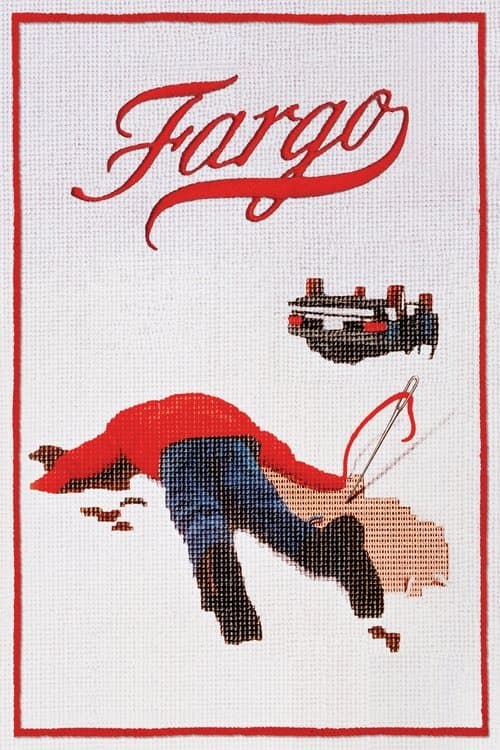
The Hangover is a 2009 comedy film directed by Todd Phillips. This breakdown covers 5 techniques (3 narrative, 1 cinematography and 1 editing), each with the scene where you can see it. If you like how it is made, Fargo uses several of the same techniques.
Revealing character and motive through physical evidence and a detective's step-by-step reasoning, with no confessions or backstory dumps. You piece together the truth alongside the investigator.
How this film uses it
The friends act like detectives. A missing tooth, a baby in the closet and a police cruiser where the car should be become clues, and they work out the night step by step. You solve it with them, one gag at a time.
Where to see it
The morning after: Phil, Stu and Alan find a tiger in the bathroom and a baby in the closet, then start retracing the night from the clues.
Building the story around a clear deadline the hero must beat. The time pressure and the obstacles grow with each scene until the climax.
How this film uses it
The wedding is only hours away, so every stop in Vegas costs time they do not have. The deadline keeps the story moving and raises the stakes of each bad decision.
Where to see it
The drive home: With Doug found on the roof of Caesars Palace, the group races back to make the wedding.
Showing extreme, violent or surreal events while the characters react as if nothing unusual is happening. That mismatch is funny and unsettling at the same time.
How this film uses it
The actors play the chaos with complete seriousness. Because nobody winks, the absurd things feel real, and that makes them funnier.
Where to see it
The taser demonstration: The friends are pulled into a police demonstration and take it with panicked, straight faces.
Filming in recognizable real places so the setting acts like part of the cast. Streets, buildings and landscapes shape the mood of the story.
How this film uses it
Most Las Vegas exteriors were shot at Caesars Palace, including the lobby, pools, corridors and roof. Other scenes used spots on Fremont Street. The real casino glitter sells the idea that anything could happen overnight.
Where to see it
Caesars Palace: The trip starts with a toast on the hotel roof and ends with the friends finding Doug sunburned up there.
Using the closing credits to show the missing pieces of the story. The audience gets the final answer in images after the plot has ended.
How this film uses it
The end credits play over a slideshow of photos from the lost night, found on Stu's camera. The group decides to look at them once before deleting them. The film gives you the answer in pictures after the story is over.
Where to see it
End credits: Photos from the missing night appear one by one, including cameos by Wayne Newton and Carrot Top.
Questions
The Hangover: quick answers
What filmmaking techniques does The Hangover use?
CineCode breaks down 5 techniques in The Hangover (2009): Forensic Inference Narration, Ticking Clock Structure, Deadpan Absurdism, Real Locations as Character and Credits as Final Reveal.
Who directed The Hangover?
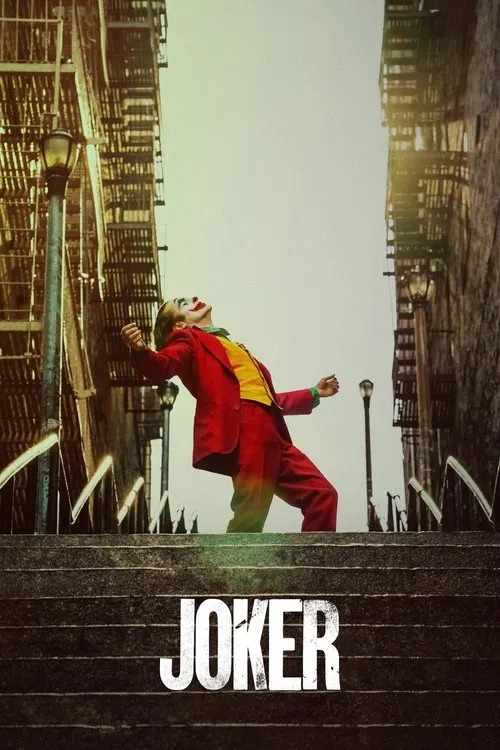
Todd Phillips directed The Hangover, released in 2009. CineCode also covers Joker (2019).
What films are similar to The Hangover?
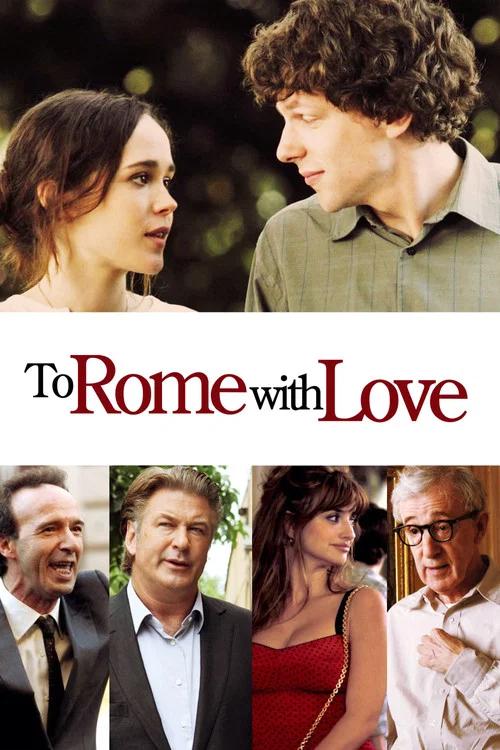
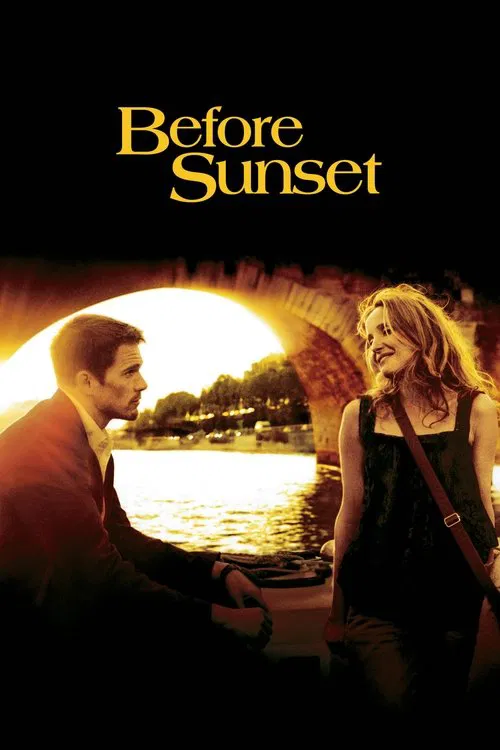
Films that share techniques with The Hangover include Fargo (1996), Memories of Murder (2003), To Rome with Love (2012), Before Sunset (2004).