Editing technique · used in 23 films

Callback Editing

Bringing back an earlier image, line, location or piece of staging later in the film, often with the situation reversed. You enjoy recognizing it, and the comparison adds meaning.

Examples

23 films that use it

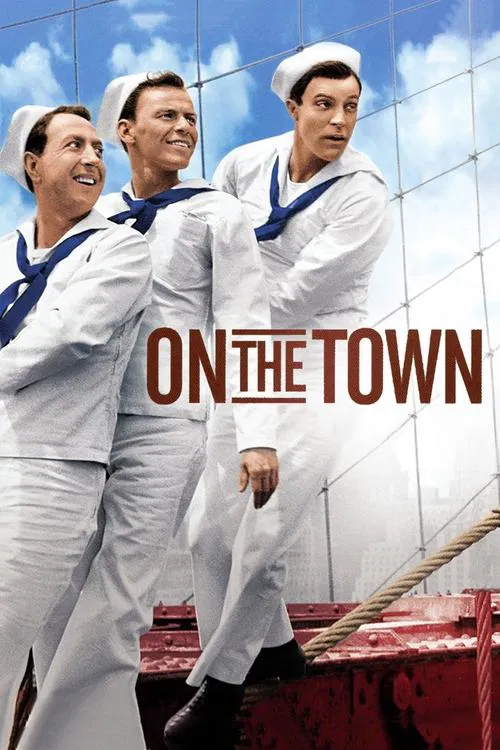
  1. On the Town (1949) poster

    On the Town

    Stanley Donen, Gene Kelly · 1949

    The film opens with a shipyard worker singing a sleepy song about not being out of bed yet. It comes back at the end, with the next batch of sailors arriving. The repeat tells you the whole adventure was one day in a cycle that goes on.

    Where to see it: Opening and closing song: A worker sings at the shipyard at dawn, and the same song returns when the leave is over and a new day starts.
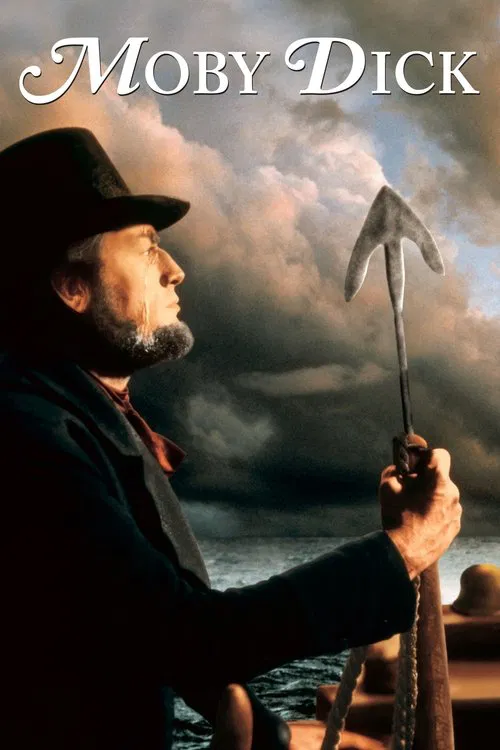
  2. Moby Dick (1956) poster

    Moby Dick

    John Huston · 1956

    Elijah warns Ishmael and Queequeg before they sail that nearly everyone who follows Ahab will die. The film brings that warning back near the end, and the crew starts to see it coming true. By the last chase, you have been waiting for it for the whole film.

    Where to see it: The omen before the last chase: the crew is reminded of Elijah's warning from the start of the voyage as Moby Dick reappears.

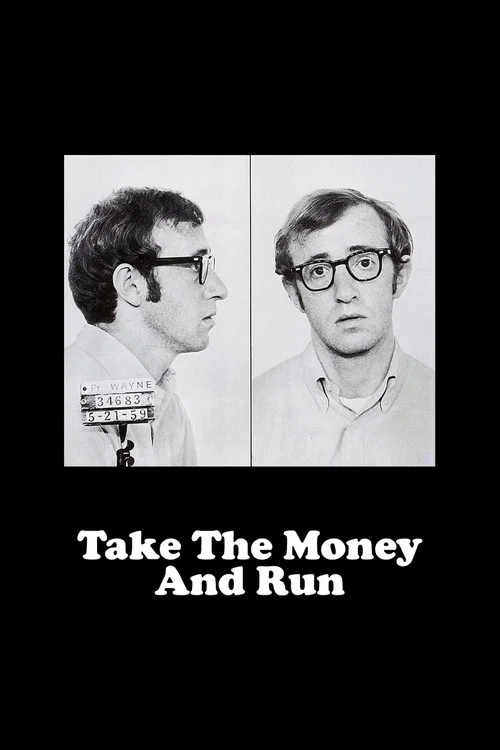
  3. Take the Money and Run (1969) poster

    Take the Money and Run

    Woody Allen · 1969

    The ending returns to the soap. Virgil, sentenced to 800 years, is seen in an interview carving soap and asking whether it is raining. The callback shows he never learned anything.

    Where to see it: The interview ending: Virgil, now in prison, carves soap and asks whether it is raining.

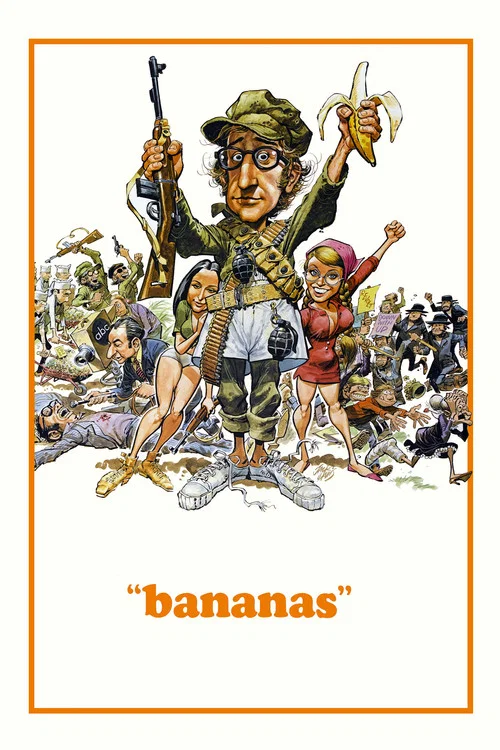
  4. Bananas (1971) poster

    Bananas

    Woody Allen · 1971

    Cosell returns at the end to narrate Fielding and Nancy's wedding night in the same sports tone he used for the assassination. The repeat turns both events into the same kind of game, and the wedding night is over faster than Nancy expected.

    Where to see it: The wedding night: Cosell gives sports-style commentary, and Mellish looks forward to a rematch in early spring.

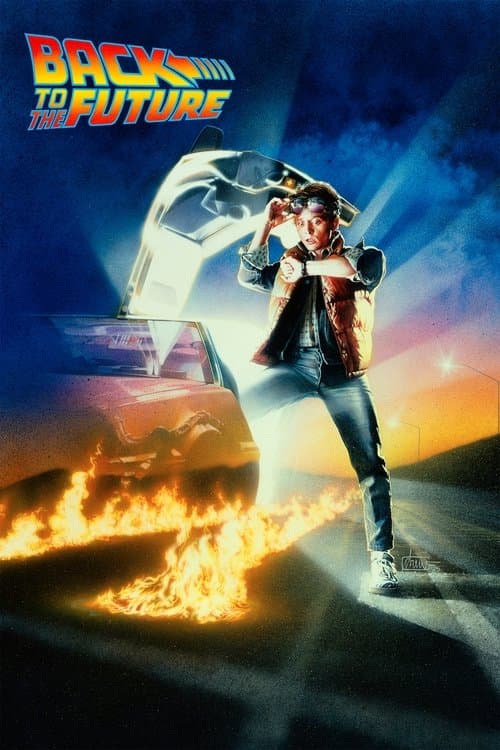
  5. Back to the Future (1985) poster

    Back to the Future

    Robert Zemeckis · 1985

    The film keeps repeating things in pairs. You get the Twin Pines Mall at the start and the Lone Pine Mall at the end, Hill Valley's town square in both 1955 and 1985 and Marty's 2 times on stage. Each repeat rewards you for paying attention. You get that specific pleasure of spotting a pattern in a story.

    Where to see it: Marty playing at the Enchantment Under the Sea dance. It deliberately echoes his failed band audition at the start of the film.

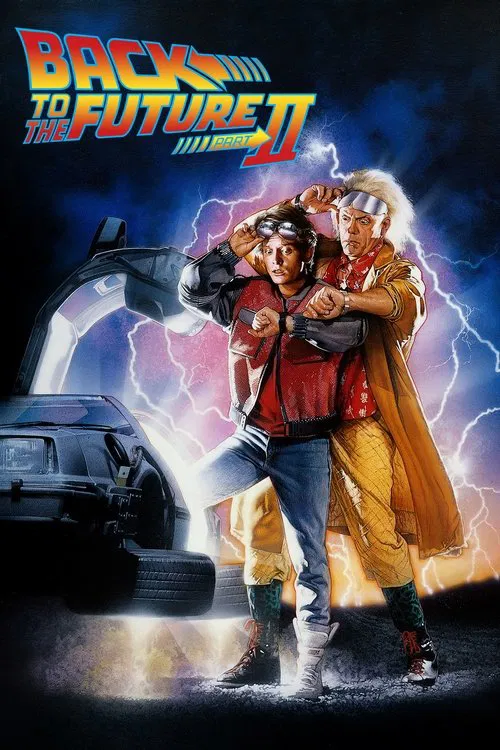
  6. Back to the Future Part II (1989) poster

    Back to the Future Part II

    Robert Zemeckis · 1989

    The film returns to the 1955 dance from the first film, but Marty is now watching himself from the outside. The same moments carry new meaning. Fans get to enjoy the recognition and the fresh angle.

    Where to see it: The 1955 dance: Marty watches the first film's dance from a new vantage and has to step in when Biff's gang goes after the other Marty onstage.

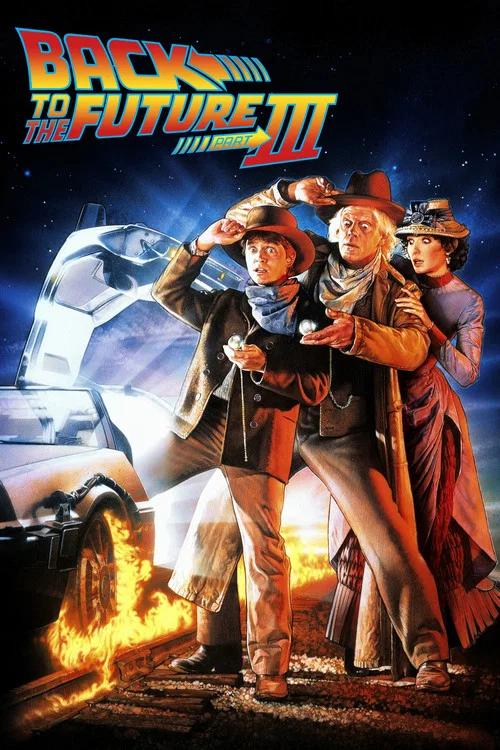
  7. Back to the Future Part III (1990) poster

    Back to the Future Part III

    Robert Zemeckis · 1990

    Marty's hot temper about being called a coward returns as the key to the Western showdown. The film echoes the earlier film's flaw, but now with a new ending. It gives the finale an emotional shape.

    Where to see it: The duel with Buford: Marty refuses at first, but when Buford's gang captures Doc he faces Buford and survives using a stove door as armor.

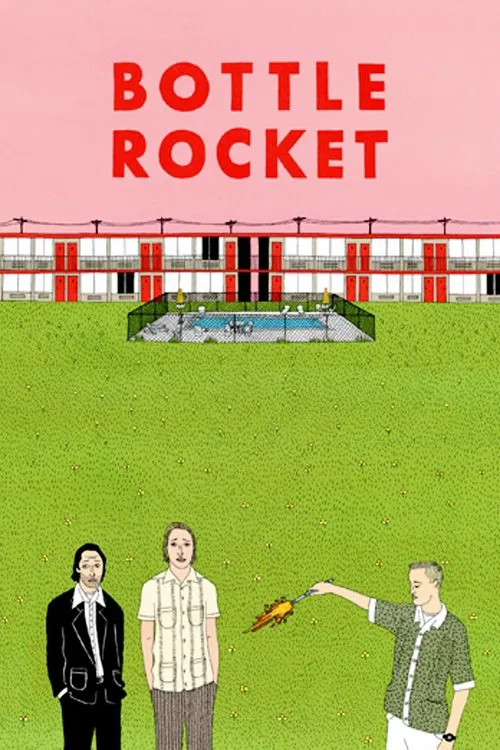
  8. Bottle Rocket (1996) poster

    Bottle Rocket

    Wes Anderson · 1996

    The ending flips the opening. At the start Dignan visits Anthony inside an institution. At the end Anthony and Bob visit Dignan in prison. Dignan jokes that it is funny Anthony was once in a psychiatric hospital while he is the one in jail.

    Where to see it: The prison visit: Anthony and Bob visit Dignan, who seems to start planning an escape and then says he was joking.

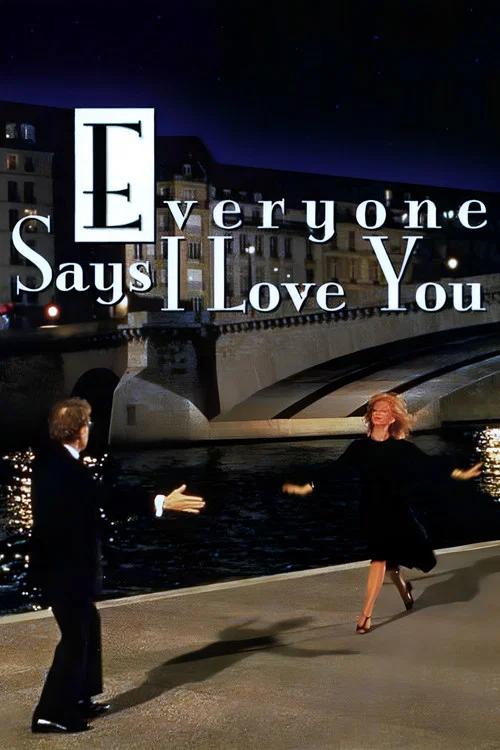
  9. Everyone Says I Love You (1996) poster

    Everyone Says I Love You

    Woody Allen · 1996

    The Paris family party is Groucho Marx themed and plays Hooray for Captain Spaulding. At the end, DJ dances with a partner dressed as Harpo Marx. The Marx joke returns at the finish, so the film ends on its earlier tribute.

    Where to see it: The ending. The family dances to the title song, and DJ's partner wears a Harpo Marx costume.

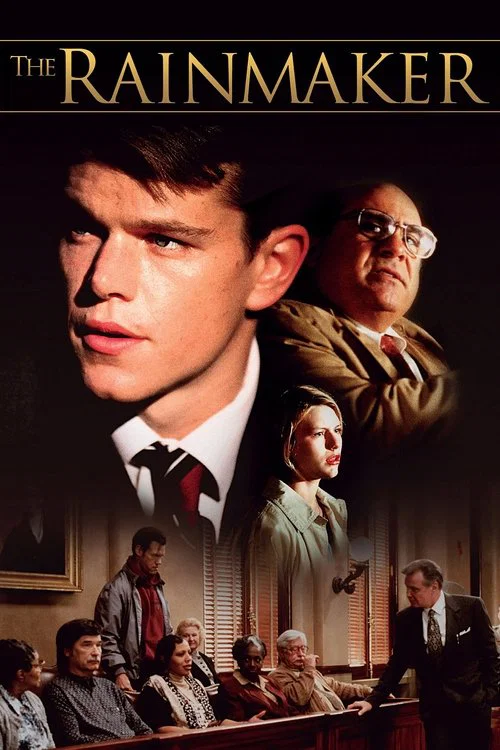
  10. The Rainmaker (1997) poster

    The Rainmaker

    Francis Ford Coppola · 1997

    Donny Ray's video deposition is recorded early and returns at the end. In the closing argument, Rudy plays an excerpt from it for the jury. The same footage that once showed a sick man answering questions now works as his argument to the jury.

    Where to see it: The closing. Donny Ray dies days after his video deposition, and Rudy plays an excerpt of it in his closing.

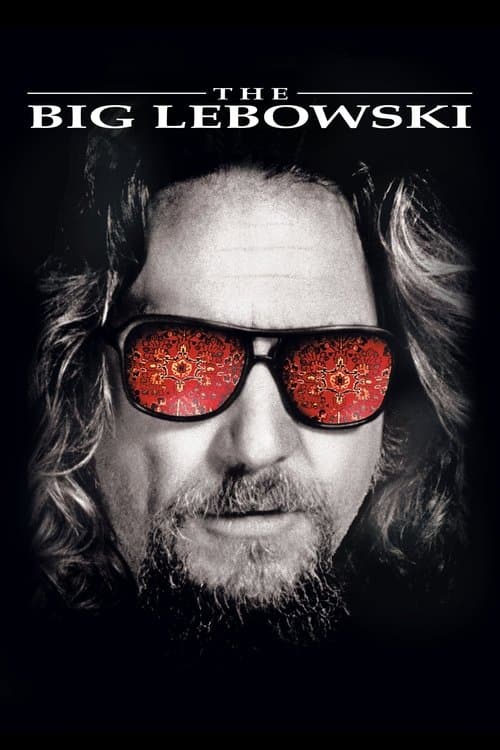
  11. The Big Lebowski (1998) poster

    The Big Lebowski

    Joel Coen, Ethan Coen · 1998

    The rug, the White Russians, the bowling alley and Walter's Vietnam are each set up and then brought back, and they mean more each time. The film moves in circles, and these callbacks do more than move the plot along. That is, they are how the Coens show that the Dude's world is self-contained, complete and always returning to itself.

    Where to see it: The rug callbacks. The film keeps coming back to the incident that started the story. The rug gathers importance along the way until it becomes the film's main joke and main idea.

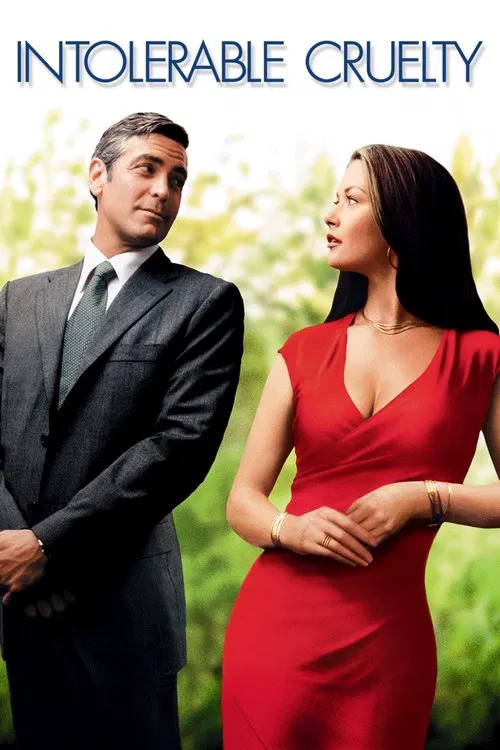
  12. Intolerable Cruelty (2003) poster

    Intolerable Cruelty

    Joel Coen, Ethan Coen · 2003

    The Massey prenup returns again and again. Howard tears it up at his wedding to prove his love. Later Marylin tears up the one that Miles signs. The same action means something new each time, and the film gets its biggest laugh from the reversal.

    Where to see it: The Las Vegas wedding. Miles signs the Massey prenup to show he is not after her money, and Marylin tears it up.

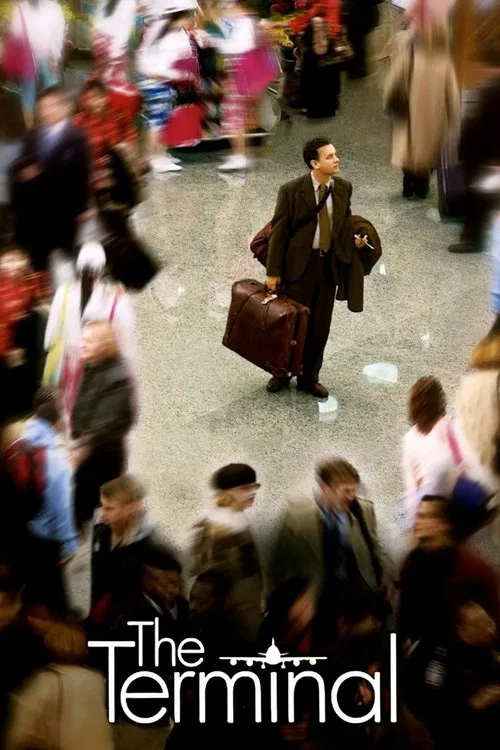
  13. The Terminal (2004) poster

    The Terminal

    Steven Spielberg · 2004

    Viktor carries a can of peanuts and has a promise to keep for his late father. The film saves that detail for the end, when it pays off. The earlier setup makes the final step feel earned.

    Where to see it: The autograph: Viktor leaves the terminal at the end to get a jazz musician's autograph that his father wanted.

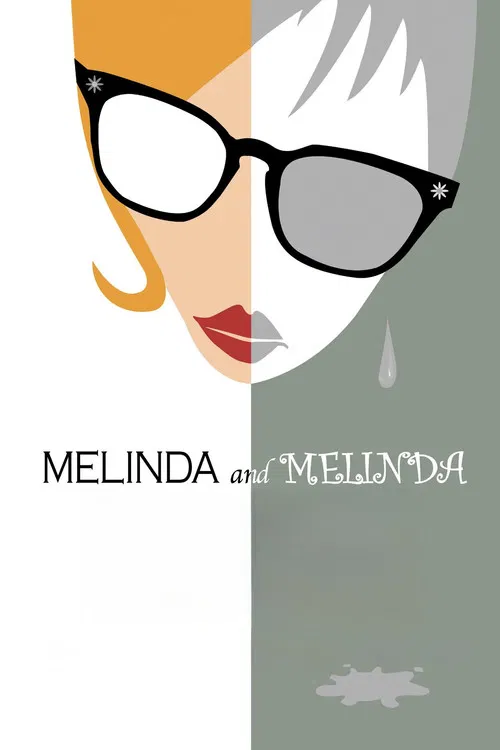
  14. Melinda and Melinda (2004) poster

    Melinda and Melinda

    Woody Allen · 2004

    The two stories rhyme on purpose. Each has a pianist, Ellis Moonsong in the tragedy and Billy Wheeler in the comedy, and each has a window scene. In the tragedy Melinda threatens to jump, and in the comedy Stacey tries to. The same image comes back with the mood reversed.

    Where to see it: The window scenes. In the tragic version Ellis stops Melinda from jumping, and in the comic version Hobie stops Stacey.

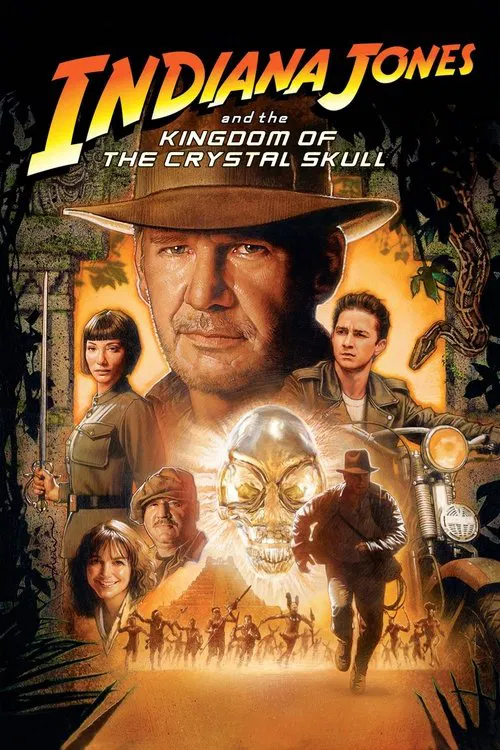
  15. Indiana Jones and the Kingdom of the Crystal Skull (2008) poster

    Indiana Jones and the Kingdom of the Crystal Skull

    Steven Spielberg · 2008

    The film brings back an image from the first adventure to remind you of Indy's past. A warehouse holds the Ark of the Covenant. A glimpse of the crate does the work of a flashback.

    Where to see it: The Hangar 51 warehouse: Soviet agents force Indy into a government warehouse that contains the Ark of the Covenant from the first film.

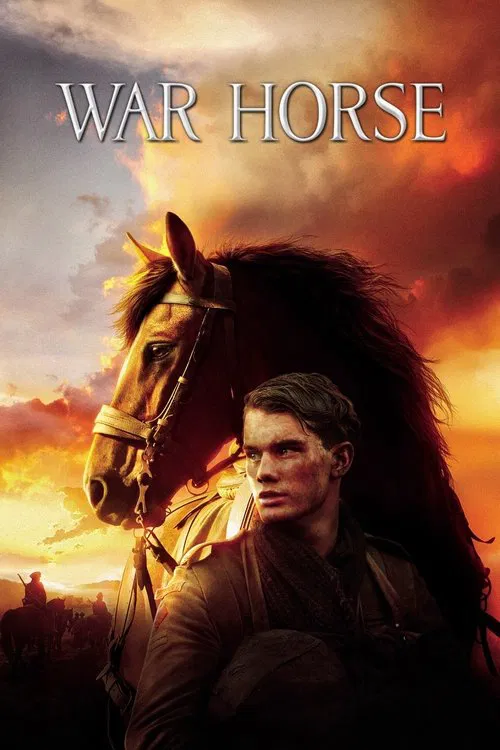
  16. War Horse (2011) poster

    War Horse

    Steven Spielberg · 2011

    Early on, Albert ties his father's regimental pennant to Joey's bridle and promises to find him. That promise hangs over every later scene of the horse's journey. When the two meet again, it pays off.

    Where to see it: The reunion: Near the end, Albert, temporarily blinded by gas, proves Joey is his horse by describing his markings, and the two go home together.

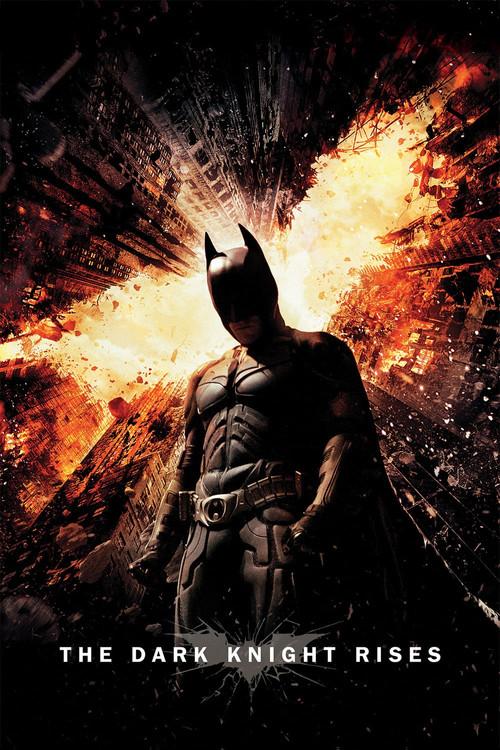
  17. The Dark Knight Rises (2012) poster

    The Dark Knight Rises

    Christopher Nolan · 2012

    Early in the film, Alfred tells Bruce about a café in Florence where he used to picture seeing Bruce happy with a family. In the last scene, Alfred is at that café and sees Bruce alive, sitting with Selina. They nod to each other and say nothing, just like Alfred imagined.

    Where to see it: The café in Florence. Alfred looks up from his table and sees Bruce across the room with Selina Kyle.

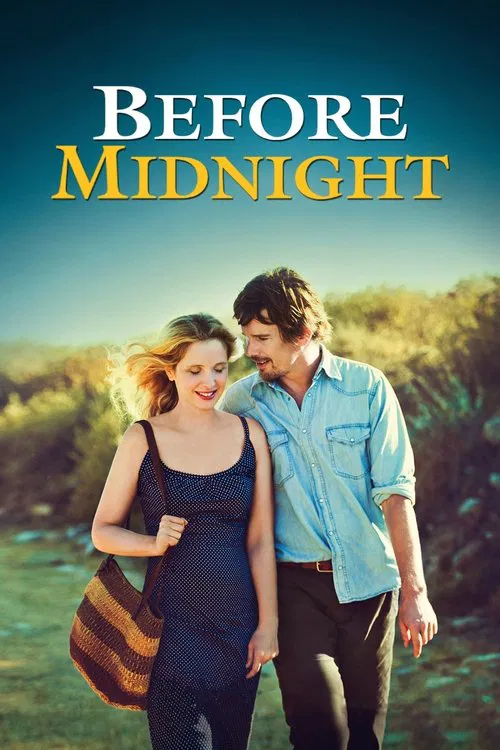
  18. Before Midnight (2013) poster

    Before Midnight

    Richard Linklater · 2013

    The film brings back an old game from their first meeting. Jesse pretends to be a time traveler again, this time with a letter from Céline's 82-year-old self. The call to the past is what lets them stop fighting.

    Where to see it: The outdoor restaurant: Jesse sits down with Céline and plays a time traveler, and she slowly joins the role play and they reconcile.

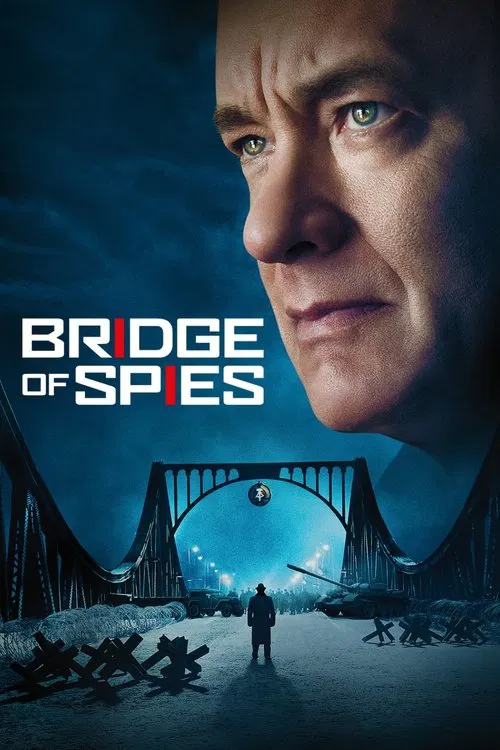
  19. Bridge of Spies (2015) poster

    Bridge of Spies

    Steven Spielberg · 2015

    Early on, Donovan sees from a train in Berlin as people are shot while trying to climb the wall. Near the end, from a train at home, he sees kids climbing a fence for fun. The repeated image shows how he now sees both places.

    Where to see it: The fence: In Berlin, Donovan watches people shot at the wall, and later he sees kids casually climbing a fence in New York.

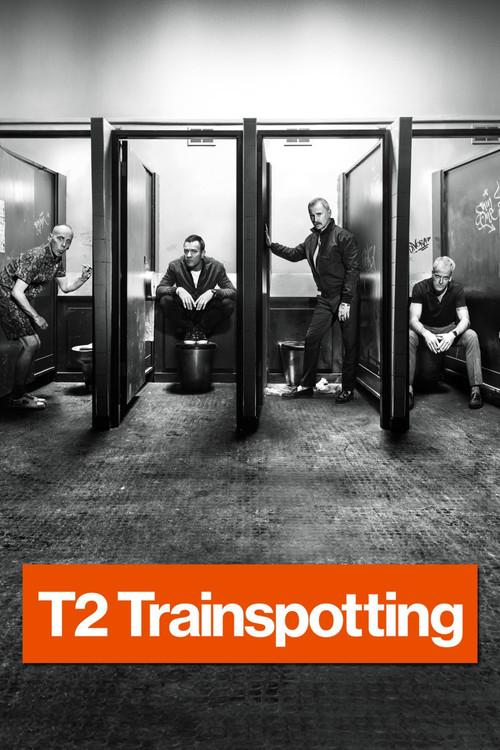
  20. T2 Trainspotting (2017) poster

    T2 Trainspotting

    Danny Boyle · 2017

    The film weaves in clips and sounds from the 1996 original, plus flashbacks with younger actors playing the characters as kids. Old images return in a new situation, so you compare who these men were with who they are now. Renton's Choose Life speech also comes back, updated for the social media age.

    Where to see it: Renton's updated Choose Life speech. He explains the slogan to Veronika, then gives a new version that lists modern life and social media.

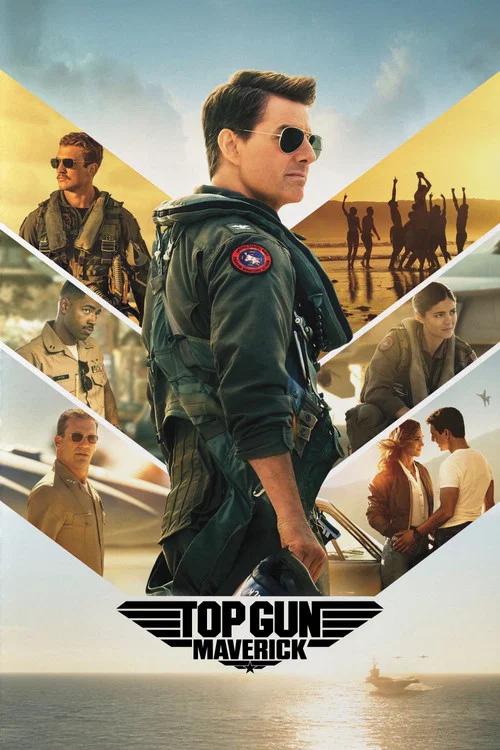
  21. Top Gun: Maverick (2022) poster

    Top Gun: Maverick

    Joseph Kosinski · 2022

    The film opens almost exactly like the 1986 original. Crew members ready jets on a carrier deck in silhouette, and 'Danger Zone' kicks in over the takeoffs. The editor called it almost a mirror of the first film. Fans get to recognize it, and it tells you the sequel takes the original seriously.

    Where to see it: The opening on the aircraft carrier. Silhouetted crew launch fighter jets as 'Danger Zone' plays, the same way the 1986 film begins.

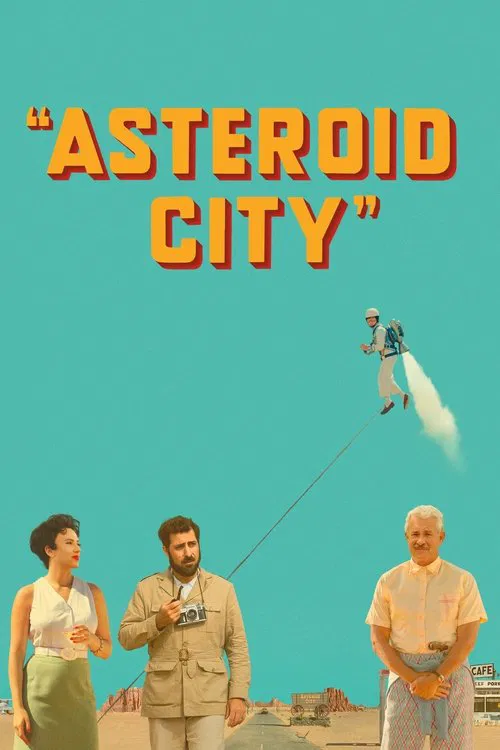
  22. Asteroid City (2023) poster

    Asteroid City

    Wes Anderson · 2023

    The documentary closes on 'You can't wake up if you don't fall asleep', a line that connects back to the alien's last appearance. As each actor repeats it, the alien appears once more holding the meteorite. The echo ties the 2 layers together at the end.

    Where to see it: The closing line: The documentary ends on the line that links back to the alien's last appearance.

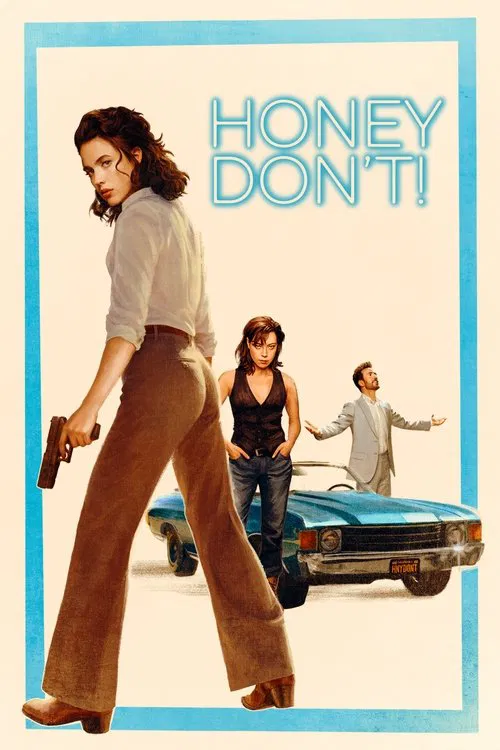
  23. Honey Don't! (2025) poster

    Honey Don't!

    Ethan Coen · 2025

    Early in the film, Marty asks Honey out and she says she likes girls. At the end, he asks again, and she gives the same answer. The repeat shows that Honey stays the same, even after a brush with death.

    Where to see it: The aftermath. Marty compliments Honey's marksmanship and asks her out again, and she gives the same answer.

Questions

Quick answers

What is callback editing in film?
Bringing back an earlier image, line, location or piece of staging later in the film, often with the situation reversed. You enjoy recognizing it, and the comparison adds meaning.
Which films use callback editing?
On the Town (1949), Moby Dick (1956), Take the Money and Run (1969), Bananas (1971), Back to the Future (1985), Back to the Future Part II (1989) and 17 more films in the CineCode library.
What kind of technique is callback editing?
It is a editing technique. Related editing techniques include others listed on the CineCode techniques page.