Drama

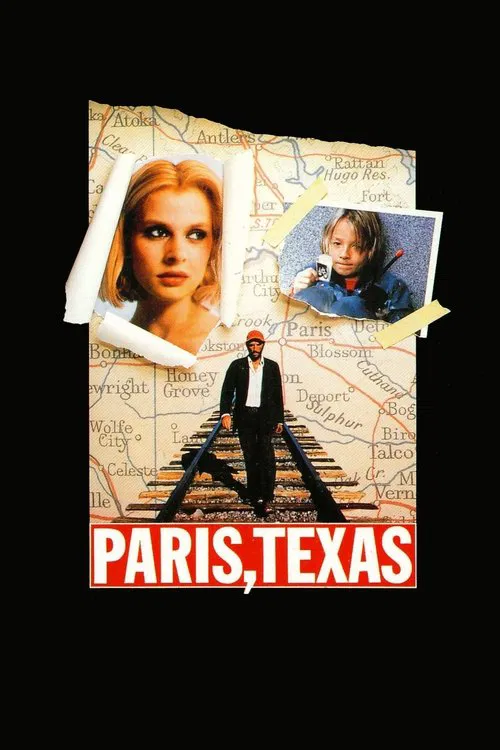
Paris, Texas

Wim Wenders, 1984

A man named Travis walks out of the Texas desert after years of silence. His brother takes him home to Los Angeles to reunite with the son he left behind, and Travis then sets out to find his wife. Wenders shoots America like a stranger and builds toward one of the great monologues.

Paris, Texas (1984) poster

At a glance

Paris, Texas is a 1984 drama film directed by Wim Wenders. This breakdown covers 5 techniques (2 cinematography, 2 narrative and 1 sound), each with the scene where you can see it. If you like how it is made, The Straight Story uses several of the same techniques.

Cinematography

Human Figure in Vast Landscape

Framing people as tiny specks in an enormous wide shot. The size gap shows how little one person's will counts against the forces of nature, geography or history.

How this film uses it

The film opens on dry, empty desert, and Travis is a small figure with an empty water jug. The size of the landscape makes him look lost and insignificant. You understand his state before anyone says a word.

Where to see it

The opening walk. Travis wanders through West Texas with an empty water jug before collapsing at a store.
Cinematography

Window as Framing Device

Using windows between characters to frame looking, longing and distance. The glass keeps people apart while showing them to each other.

How this film uses it

The peep show glass lets Travis and Jane talk while keeping them apart. They can hear each other, but at first she cannot see him. When Travis tells his story, the glass becomes the whole film's picture of distance and the wish to cross it.

Where to see it

The peep show booth. Travis sits on one side of the glass and tells Jane a story about a couple, and she realizes he is Travis.

Narrative

Earned Catharsis

Building up to a big emotional release slowly, by investing in the characters and giving small bits of hope. When the release comes, it feels deserved after all the suffering.

How this film uses it

The film takes its time. Travis barely speaks at first, and the film hands out small clues before the confession. When the monologue finally comes, it feels earned. You have watched him learn to talk and to face what he did.

Where to see it

The second peep show visit. Travis returns to the booth and tells Jane a story of a couple whose marriage ended in tragedy.

Narrative

Departure Ending

Ending the film with one character leaving while the others stay behind. The exit shows what staying costs the rest.

How this film uses it

Travis brings mother and son together, then leaves. He watches from the parking lot and drives away. The film ends with the family together and the man who caused the damage outside it.

Where to see it

The final scene. Travis gives Jane the hotel room number, watches her reunite with Hunter from the parking lot and then drives away.

Sound

Solo Instrument Score

Building a score around one instrument, such as a piano, so the music feels intimate and personal. It sounds like a private thought, with no big orchestra telling you what to feel.

How this film uses it

Ry Cooder's score is built around slide guitar, and it uses a blues song called Dark Was the Night, Cold Was the Ground. The sound seems to rise out of the desert wind. It gives you a feeling of loneliness without any music telling you what to feel.

Where to see it

The desert scenes. Slide guitar plays over wide shots of Travis crossing the landscape.

Questions

Paris, Texas: quick answers

What filmmaking techniques does Paris, Texas use?
CineCode breaks down 5 techniques in Paris, Texas (1984): Human Figure in Vast Landscape, Window as Framing Device, Earned Catharsis, Departure Ending and Solo Instrument Score.
Who directed Paris, Texas?
Wim Wenders directed Paris, Texas, released in 1984. CineCode also covers Wings of Desire (1987).
What films are similar to Paris, Texas?
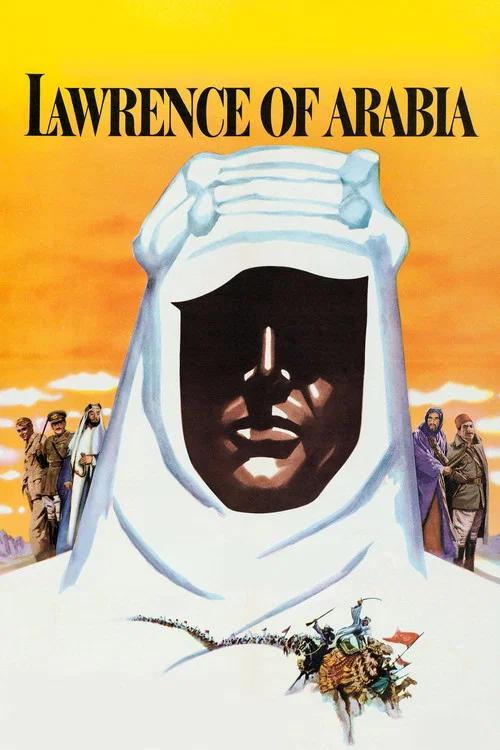
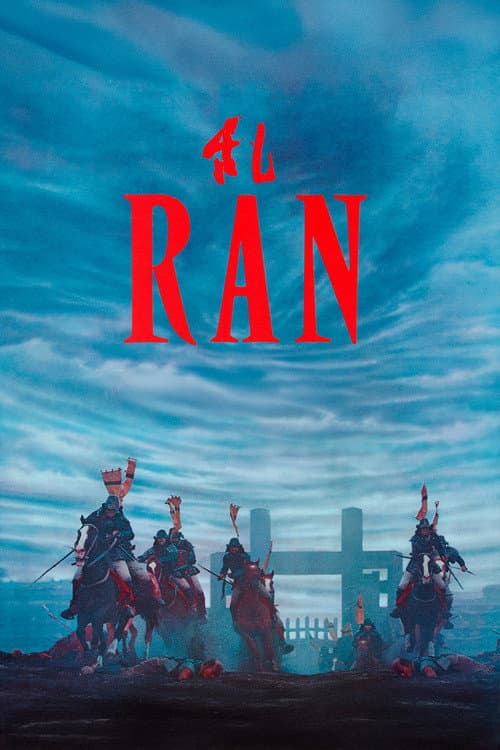
Films that share techniques with Paris, Texas include The Straight Story (1999), The Shawshank Redemption (1994), Lawrence of Arabia (1962), Ran (1985).

Same director

More from Wim Wenders