Cinematography technique · used in 11 films

Human Figure in Vast Landscape

Framing people as tiny specks in an enormous wide shot. The size gap shows how little one person's will counts against the forces of nature, geography or history.

Examples

11 films that use it

  1. The Bridge on the River Kwai (1957) poster

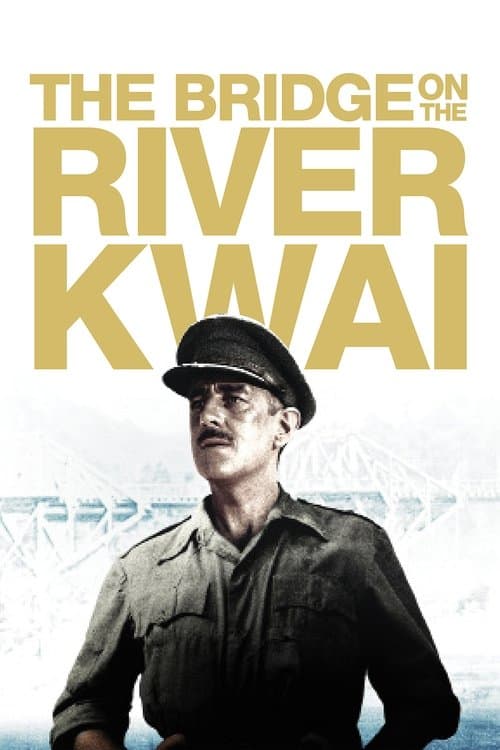
    The Bridge on the River Kwai

    David Lean · 1957

    Lean films the bridge construction and the jungle with the same epic compositions he would use in Lawrence of Arabia, with tiny figures against vast tropical scenery. From the inside, the men's obsessive project is all-consuming. From the outside, they look insignificant. The landscape doesn't care about military honor, and that is the film's silent argument.

    Where to see it: The bridge spanning the river. The finished structure and the figures on it are shown in a wide shot, and the landscape it crosses dwarfs the human achievement.
  2. Lawrence of Arabia (1962) poster

    Lawrence of Arabia

    David Lean · 1962

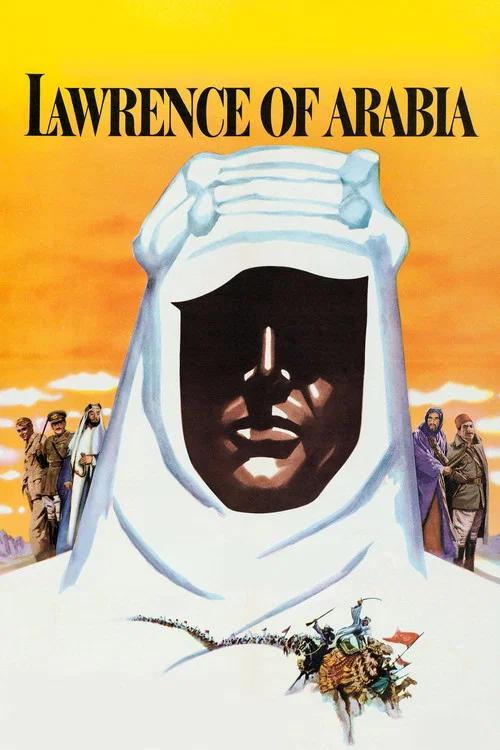
    Lean keeps shooting Lawrence in frames where the desert fills most of the image. In Super Panavision 70mm, a camel train crossing the horizon looks like an afterthought. The landscape is the film's subject, and Lawrence is a detail in it.

    Where to see it: The mirage sequence. A figure approaches through the heat shimmer. The desert fills the frame long before the person arrives.

  3. Ivan's Childhood (1962) poster

    Ivan's Childhood

    Andrei Tarkovsky · 1962

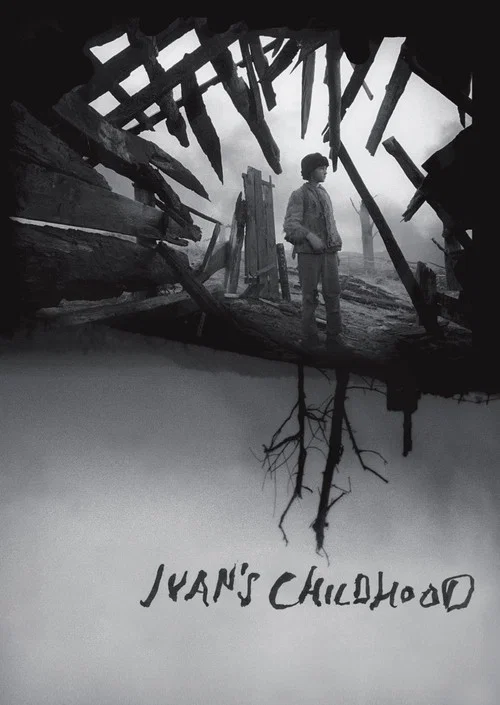
    Ivan crosses a war-torn landscape, passes through a swamp and swims a river. He looks small against it. The land is huge and he is alone.

    Where to see it: The swamp crossing. Ivan crosses the swamp and the river before soldiers seize him.

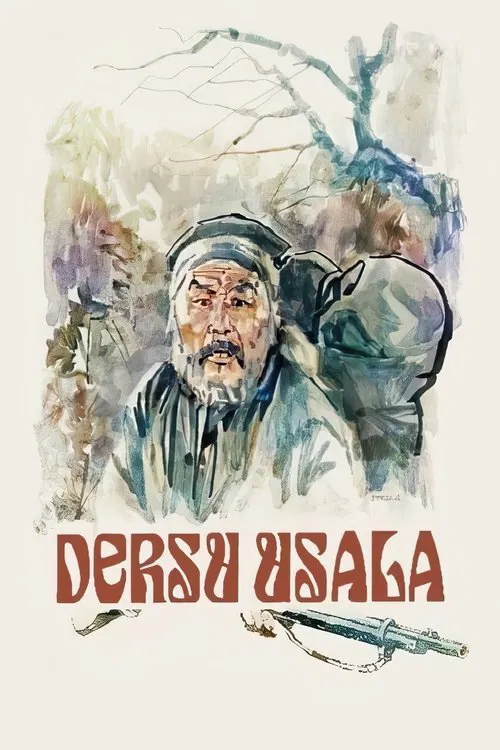
  4. Dersu Uzala (1975) poster

    Dersu Uzala

    Akira Kurosawa · 1975

    Kurosawa keeps the 2 men small inside huge plains and forests. At Lake Khanka, he frames them between a setting sun and a rising moon. Next to that, they look like specks.

    Where to see it: Lake Khanka. Dersu and Arsenyev stand on the open plain with the sun on one side of the sky and the moon on the other, just before the blizzard hits.

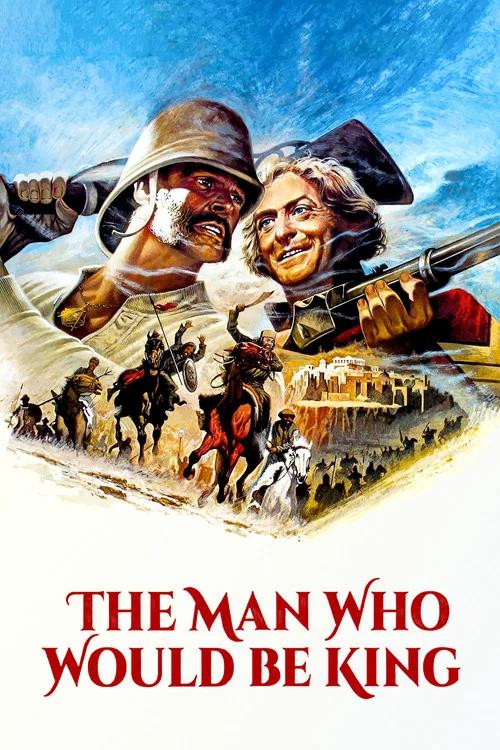
  5. The Man Who Would Be King (1975) poster

    The Man Who Would Be King

    John Huston · 1975

    The two men cross mountains, snowfields and gorges that dwarf them. Shooting in the Atlas mountains and near Chamonix gives the trek real scale. The land looks like it could swallow them, which makes their confidence look even more foolish.

    Where to see it: The mountain crossing: Dravot and Carnehan push through blizzards and avalanches on their way to Kafiristan.

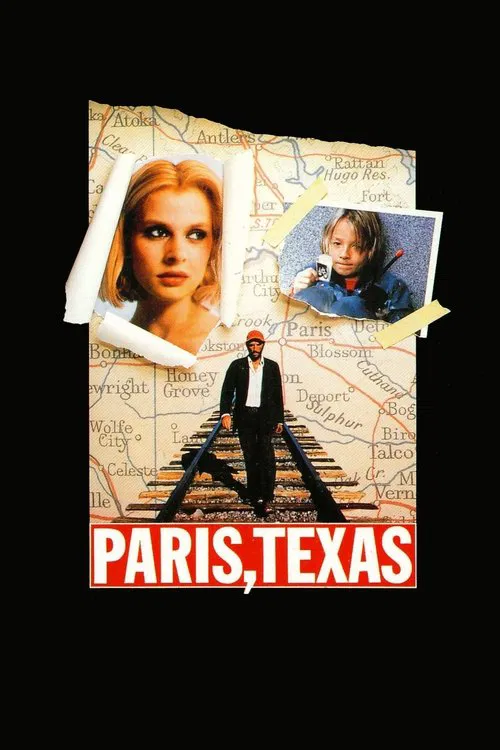
  6. Paris, Texas (1984) poster

    Paris, Texas

    Wim Wenders · 1984

    The film opens on dry, empty desert, and Travis is a small figure with an empty water jug. The size of the landscape makes him look lost and insignificant. You understand his state before anyone says a word.

    Where to see it: The opening walk. Travis wanders through West Texas with an empty water jug before collapsing at a store.

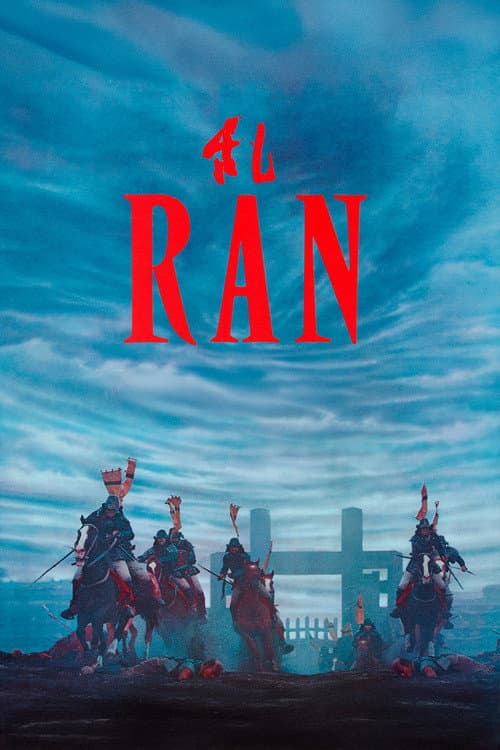
  7. Ran (1985) poster

    Ran

    Akira Kurosawa · 1985

    Kurosawa places armies on open hillsides in long shots where you can barely see the soldiers against the sky. When Hidetora walks alone from a burning castle, the landscape dwarfs him. The images insist that power, pride and legacy are small in the end against a world that doesn't care.

    Where to see it: Hidetora coming out of the burning third castle. He's 1 lone figure surrounded by armies, and the landscape makes him look like a detail.

  8. The Straight Story (1999) poster

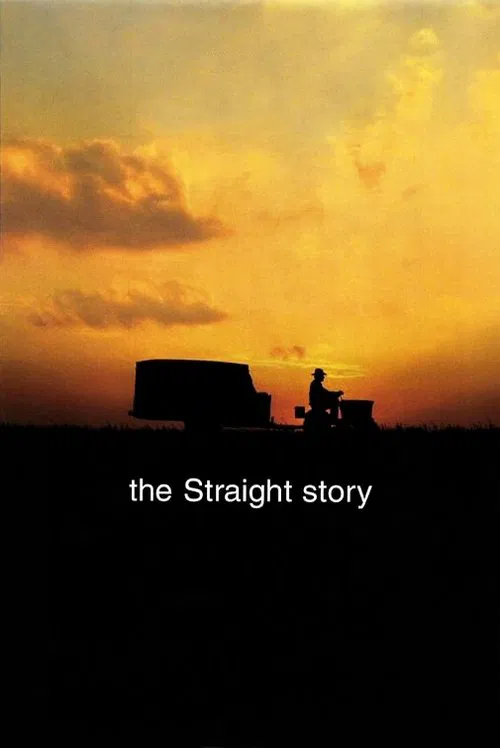
    The Straight Story

    David Lynch · 1999

    Lynch shows Alvin on his tractor in wide shots of open farmland, a small figure in a big country. The size gap shows how slow and stubborn the trip is. It also makes you feel how far 240 miles is at that speed.

    Where to see it: The open road. Alvin crawls along in wide shots of Iowa and Wisconsin farmland on his lawn tractor.

  9. Kingdom of Heaven (2005) poster

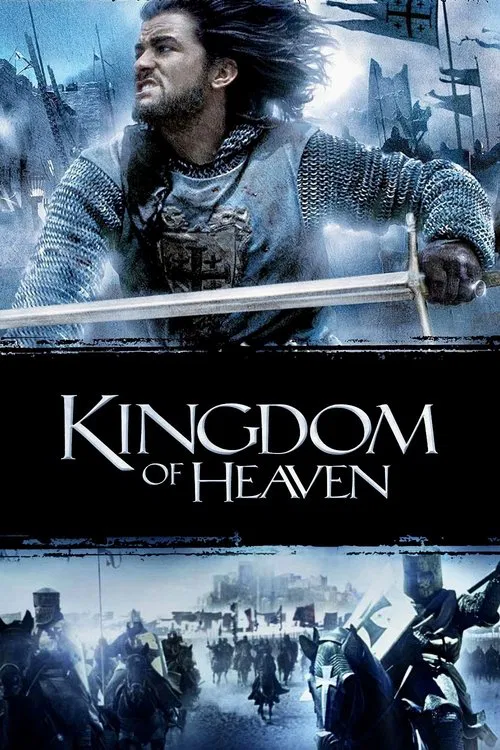
    Kingdom of Heaven

    Ridley Scott · 2005

    After the shipwreck, Balian is the lone survivor and crosses the desert alone with a horse he recovers. Cinematographer John Mathieson shot many large, sweeping landscapes, and this stretch sets one man against a whole country he does not know.

    Where to see it: The desert crossing: Balian's ship runs aground in a storm, and he crosses the desert alone. He fights a Muslim cavalier over a horse and spares the man's slave.

  10. The Grey (2011) poster

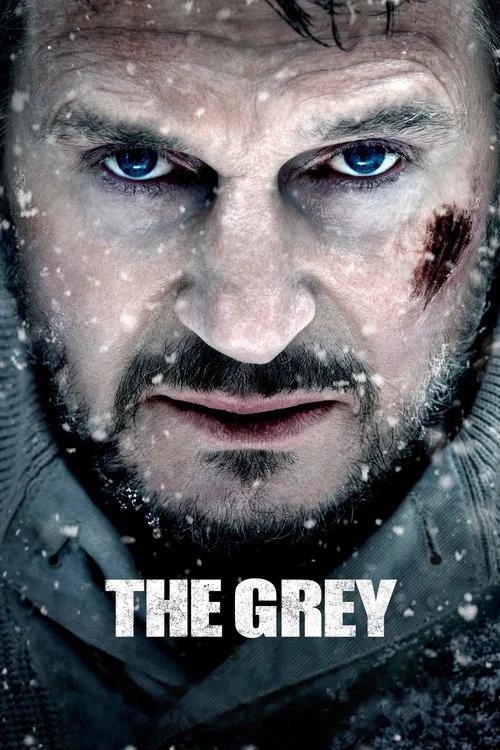
    The Grey

    Joe Carnahan · 2011

    Wide shots drop the survivors into huge fields of snow and forest, where they look like small dark marks. The size gap says that nothing they decide will matter much to this place.

    Where to see it: The journey south: The survivors trudge through snow toward the trees. Flannery falls behind and is killed by wolves.

  11. Gravity (2013) poster

    Gravity

    Alfonso Cuarón · 2013

    Emmanuel Lubezki's photography keeps framing Stone as a tiny figure against the endless black of space or the curve of Earth. At that scale, you can see the universe doesn't care whether she lives. Her survival comes across as an act of defiance.

    Where to see it: Stone tumbling away from the shuttle after the debris strike. She is one figure in a white suit against all of space, with the Earth a blue curve below. The scale is fairly dizzying.

Questions

Quick answers

What is human figure in vast landscape in film?
Framing people as tiny specks in an enormous wide shot. The size gap shows how little one person's will counts against the forces of nature, geography or history.
Which films use human figure in vast landscape?
The Bridge on the River Kwai (1957), Lawrence of Arabia (1962), Ivan's Childhood (1962), Dersu Uzala (1975), The Man Who Would Be King (1975), Paris, Texas (1984) and 5 more films in the CineCode library.
What kind of technique is human figure in vast landscape?
It is a cinematography technique. Related cinematography techniques include Desert as Protagonist.