Drama · Biography · Adventure

The Straight Story

David Lynch, 1999

Alvin Straight, an elderly Iowa man who can't drive, rides a lawn tractor about 240 miles to Wisconsin to make peace with his sick brother. The film is based on a real 1994 trip. It is one of the gentlest films David Lynch made, and it shows his patience as a director.

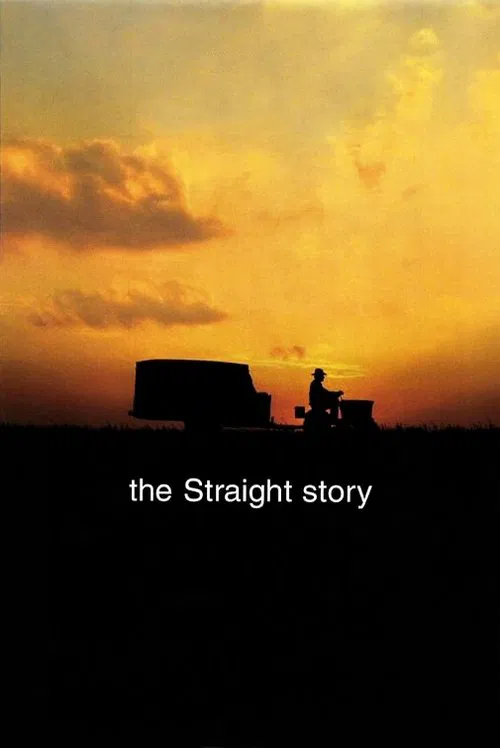
The Straight Story (1999) poster

At a glance

The Straight Story is a 1999 drama, biography and adventure film directed by David Lynch. This breakdown covers 4 techniques (2 narrative, 1 cinematography and 1 psychology), each with the scene where you can see it. If you like how it is made, The Verdict uses several of the same techniques.

Narrative

Picaresque Structure

Telling the story as a loose string of separate adventures, often following a low-status hero through different levels of society. With no single plot, the episodes add up to a portrait of a world.

How this film uses it

The trip plays as a string of small meetings. Alvin shares dinner with a pregnant teenage runaway, camps with cyclists and talks with a woman who keeps hitting deer on her drive to work. No single plot drives these scenes, but together they paint a picture of the people along his road.

Where to see it

The runaway and the cyclists. Alvin eats with a pregnant teenager who has left home, then camps with a group of cyclists who ask him about getting old.
Cinematography

Human Figure in Vast Landscape

Framing people as tiny specks in an enormous wide shot. The size gap shows how little one person's will counts against the forces of nature, geography or history.

How this film uses it

Lynch shows Alvin on his tractor in wide shots of open farmland, a small figure in a big country. The size gap shows how slow and stubborn the trip is. It also makes you feel how far 240 miles is at that speed.

Where to see it

The open road. Alvin crawls along in wide shots of Iowa and Wisconsin farmland on his lawn tractor.

Psychology

Guilt as Hidden Motive

Letting a character's guilt over a past wrong shape what they do now. The wrong may come out late or only be hinted at, but it colors every choice.

How this film uses it

Alvin's reason for the trip comes out in pieces. Late in the film, he tells a fellow World War II veteran about a friendly fire killing that haunts him and about the drinking that followed. That confession helps explain why he needs to see his brother before it is too late.

Where to see it

The bar with the veteran. Alvin, a former sniper, quietly admits what he did in the war and says he is now sober.

Narrative

Earned Catharsis

Building up to a big emotional release slowly, by investing in the characters and giving small bits of hope. When the release comes, it feels deserved after all the suffering.

How this film uses it

The film keeps the reunion small. After the long trip, Alvin reaches his brother Lyle's run-down cabin and Lyle asks if he really rode a tractor all that way. The 2 men sit on the porch and look at the stars, and almost nothing more needs to be said.

Where to see it

The porch at the end. Alvin walks the last stretch after his tractor stalls, and the brothers sit together under the stars.

Questions

The Straight Story: quick answers

What filmmaking techniques does The Straight Story use?
CineCode breaks down 4 techniques in The Straight Story (1999): Picaresque Structure, Human Figure in Vast Landscape, Guilt as Hidden Motive and Earned Catharsis.
Who directed The Straight Story?
David Lynch directed The Straight Story, released in 1999. CineCode also covers Eraserhead (1977), The Elephant Man (1980), Dune (1984), Blue Velvet (1986), Wild at Heart (1990), Twin Peaks: Fire Walk with Me (1992).
What films are similar to The Straight Story?
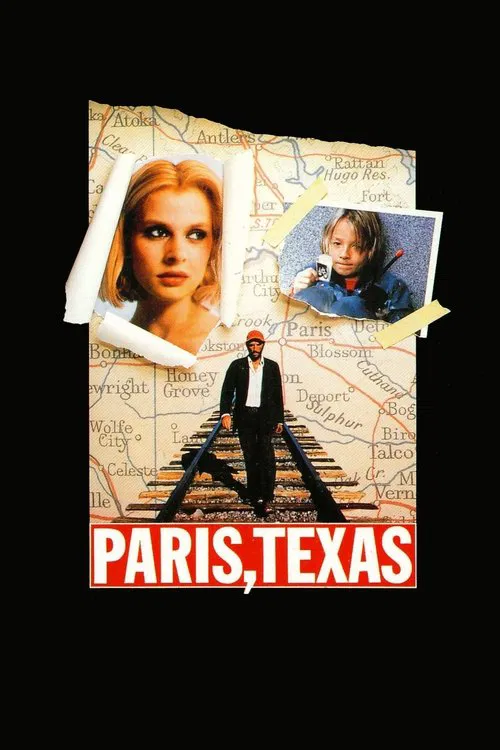
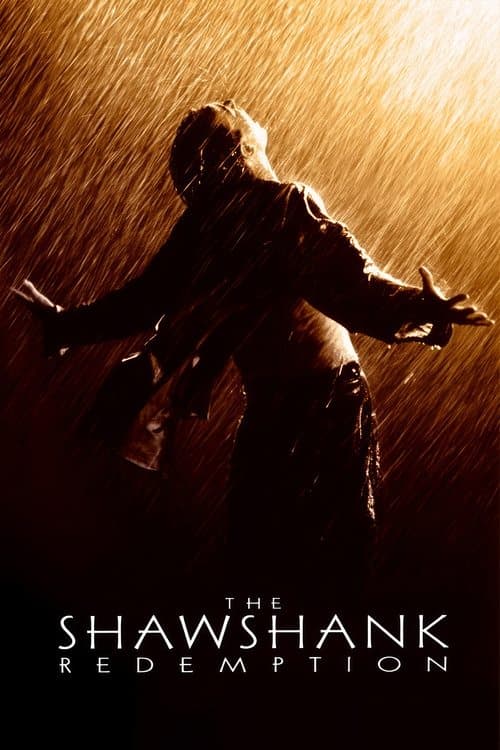
Films that share techniques with The Straight Story include The Verdict (1982), La Strada (1954), Paris, Texas (1984), The Shawshank Redemption (1994).