Adventure · Biography · Drama

Lawrence of Arabia

David Lean, 1962

A complicated, unpredictable British officer leads the Arab revolt against the Ottoman Empire during World War I, and he ends up consumed by his own legend. It's the most visually vast film ever made about a man destroyed by his own grand idea of himself.

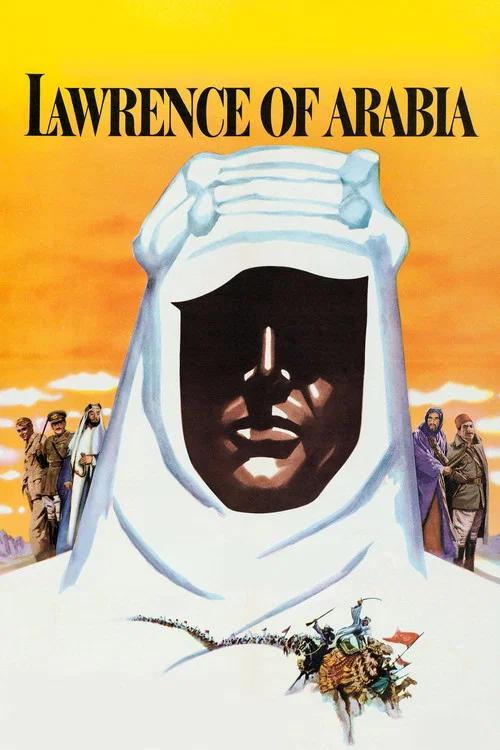
Lawrence of Arabia (1962) poster

At a glance

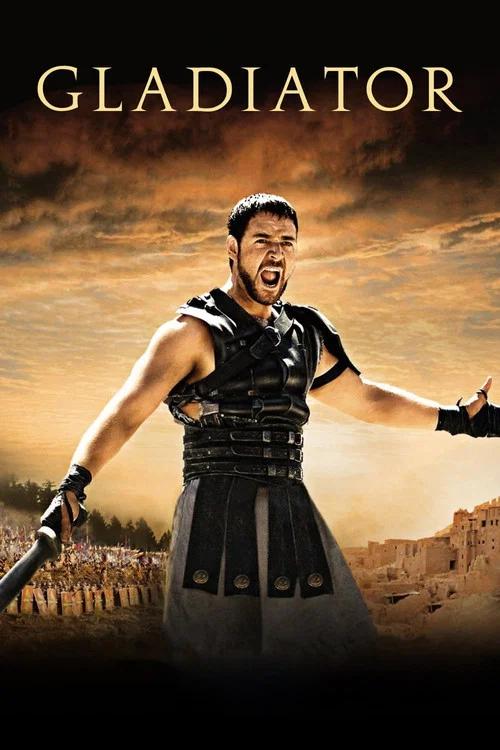
Lawrence of Arabia is a 1962 adventure, biography and drama film directed by David Lean. This breakdown covers 5 techniques (2 cinematography, 1 editing, 1 sound and 1 narrative), each with the scene where you can see it. If you like how it is made, Gladiator uses several of the same techniques.

Cinematography

Desert as Protagonist

Treating a desert or vast landscape as a main character with as much screen time as the actors. It has its own arc and can dwarf, kill and transform the people in it.

How this film uses it

Freddie Young's cinematography makes the Arabian desert feel like a character. The film reveals it slowly, and it has moods, like calm at dawn and violence at midday. It also kills people, directly and indirectly. You can't understand Lawrence without the desert or the desert without Lawrence. The 2 are in conversation for the whole film.

Where to see it

The Nefud Desert crossing. The landscape fills the huge Super Panavision frame, and it's so vast that the people in it look temporary.
Editing

Match Cut as Thematic Argument

Cutting between 2 images that look alike in order to connect what they mean. The match gives you an idea about how the 2 things relate, on top of a smooth transition.

How this film uses it

Lawrence blows out a match, and the film cuts straight to the desert sunrise. This is a match cut, a cut that joins 2 shots through a shared shape. Here, the link is the line of a horizon and the shift from dark to light. Nevertheless, the cut also makes a point: Lawrence can control this small flame, and he can't control the fire out there. The match goes out just as Lawrence himself is about to be lit.

Where to see it

The match cut. The flame goes out and the desert sun rises. It's one of the most analyzed edits in cinema.

Cinematography

Human Figure in Vast Landscape

Framing people as tiny specks in an enormous wide shot. The size gap shows how little one person's will counts against the forces of nature, geography or history.

How this film uses it

Lean keeps shooting Lawrence in frames where the desert fills most of the image. In Super Panavision 70mm, a camel train crossing the horizon looks like an afterthought. The landscape is the film's subject, and Lawrence is a detail in it.

Where to see it

The mirage sequence. A figure approaches through the heat shimmer. The desert fills the frame long before the person arrives.

Sound

Composer Signature Score

Letting a particular composer's or musician's style define the film's sound. The music has a recognizable voice that shapes mood and character.

How this film uses it

Jarre's overture is as long and patient as a desert crossing. The theme never announces itself. It builds up bit by bit. By the time the full orchestra arrives, the music has trained you to feel the scale and the slow time of the desert. The score pretty much acts out the experience at the center of the film.

Where to see it

The overture. Music plays over a dark screen before the film begins, and it sets up the patience the desert demands.

Narrative

All-Male World Structure

Setting the film entirely in male spaces such as war, politics and the desert. The absence of women is deliberate and points at the places where certain ambition and self-destruction are allowed.

How this film uses it

There are no women with speaking roles in Lawrence of Arabia. That shapes how the film makes its point about society. The all-male world of war and empire is a place where Lawrence's particular madness can be grown, celebrated and finally broken. The film looks at what men become when only other men ever see them.

Where to see it

The commanders' meetings. In this all-male political theater, the self Lawrence performs gets built up and then destroyed.

Questions

Lawrence of Arabia: quick answers

What filmmaking techniques does Lawrence of Arabia use?
CineCode breaks down 5 techniques in Lawrence of Arabia (1962): Desert as Protagonist, Match Cut as Thematic Argument, Human Figure in Vast Landscape, Composer Signature Score and All-Male World Structure.
Who directed Lawrence of Arabia?
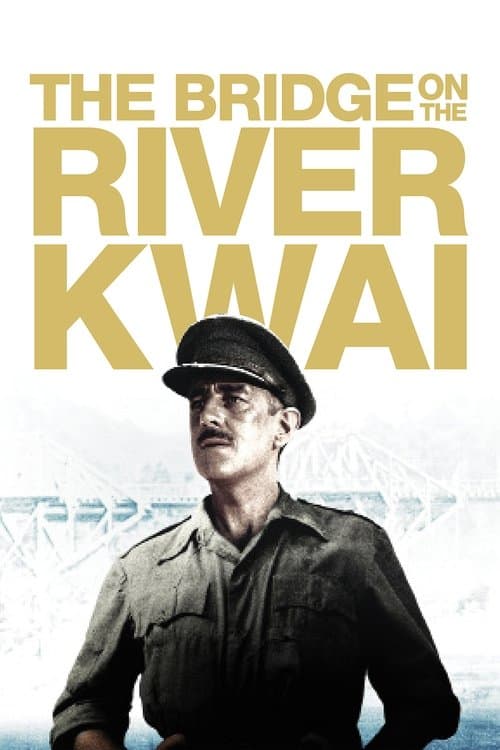
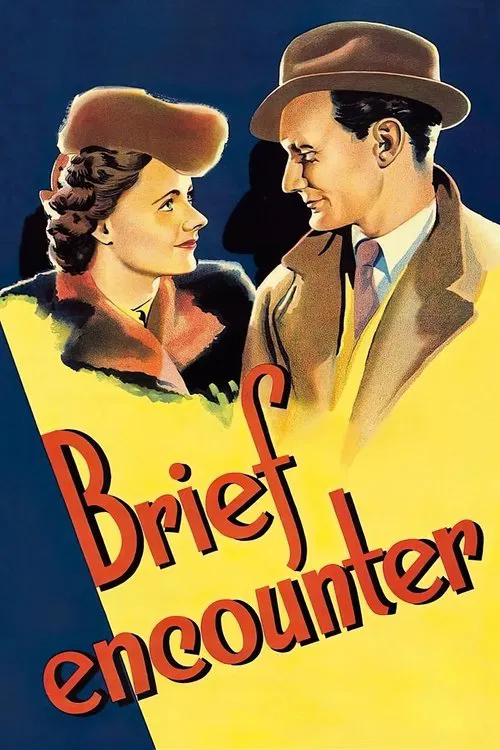
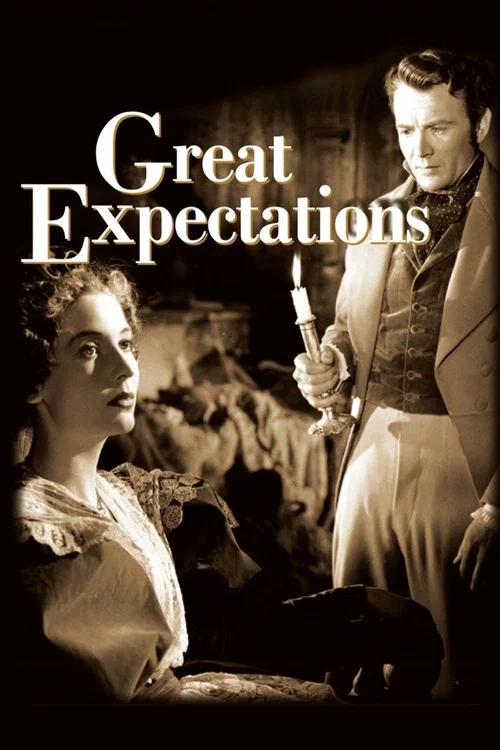
David Lean directed Lawrence of Arabia, released in 1962. CineCode also covers Brief Encounter (1945), Great Expectations (1946), The Bridge on the River Kwai (1957), Doctor Zhivago (1965), A Passage to India (1984).
What films are similar to Lawrence of Arabia?
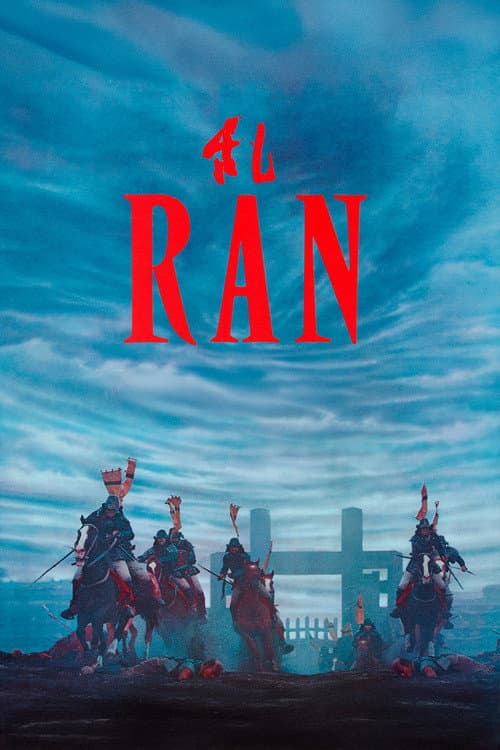
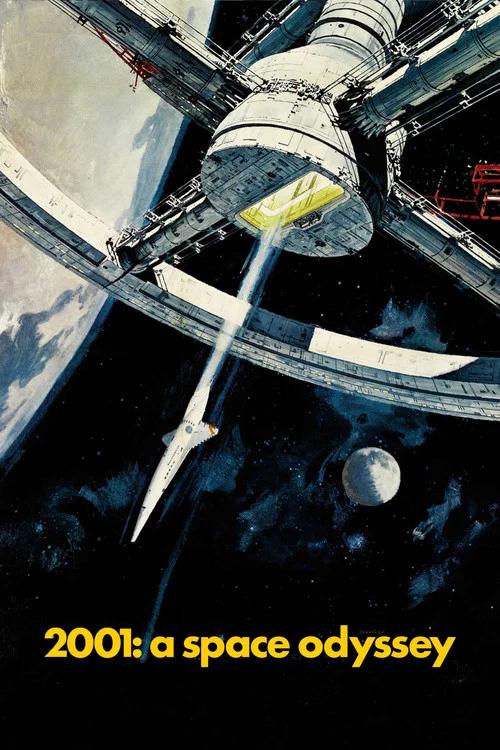
Films that share techniques with Lawrence of Arabia include Gladiator (2000), 2001: A Space Odyssey (1968), Ran (1985), The Bridge on the River Kwai (1957).