Science Fiction · Action · Thriller

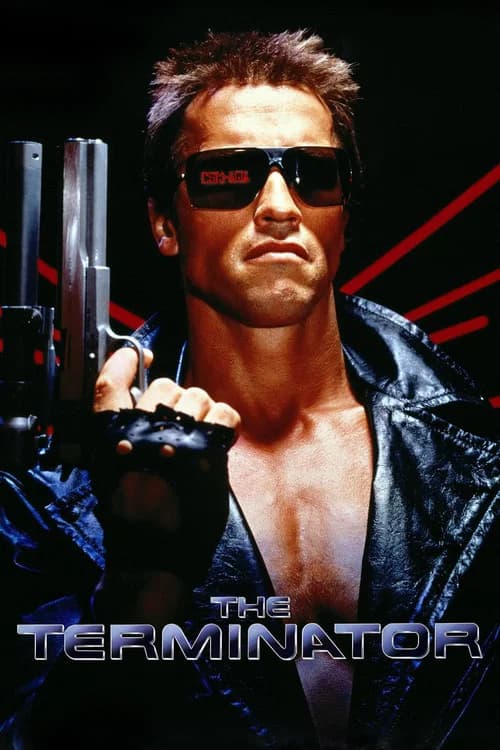
The Terminator

James Cameron, 1984

A cyborg assassin arrives from the future to kill Sarah Connor before she can give birth to the resistance leader who will defeat the machines. A human soldier follows to protect her. James Cameron's breakthrough feature invented the modern action blockbuster by treating its B-movie premise with complete seriousness.

The Terminator (1984) poster

At a glance

The Terminator is a 1984 science fiction, action and thriller film directed by James Cameron. This breakdown covers 4 techniques (2 narrative and 2 cinematography), each with the scene where you can see it. If you like how it is made, Dunkirk uses several of the same techniques.

Narrative

Ticking Clock Structure

Building the story around a clear deadline the hero must beat. The time pressure and the obstacles grow with each scene until the climax.

How this film uses it

The Terminator never stops. It doesn't sleep, can't be reasoned with and won't quit, so the chase itself is the film's clock. Every scene narrows the gap between the machine and its target. Every delay cuts into the time the hero has left.

Where to see it

The Tech Noir club. Sarah shelters in a crowded club while the Terminator tracks her there. You already know it has been killing the women named Sarah Connor on its list. The clock ticks in the gap between what you know and what she is still piecing together.
Cinematography

Tracking Shot as Mechanical Dread

Moving the camera smoothly and steadily through a dangerous place or past a series of horrors. The even pace feels like a machine that never tires or hesitates, which builds dread.

How this film uses it

Cameron films the Terminator's approach with a fixed, relentless camera. The machine enters the frame and moves without the small variations of a living body. The look of the shots tells you what the Terminator is before any special effect confirms it.

Where to see it

The police station assault. The Terminator enters and advances through the building room by room. The camera films it with a machine-like steadiness of its own, so the shot moves the way the assault does.

Cinematography

Urban Gothic Cinematography

Shooting a city with washed-out color, heavy shadow, rain-slick streets and decaying buildings, often at night. The city looks corrupt and threatening, and it dwarfs the people in it.

How this film uses it

Adam Greenberg shoots 1984 Los Angeles at night, in rain and under neon. The city is a dark, hostile place where the Terminator's chrome body is at home and Sarah Connor is always exposed. This gothic look, all gloom and menace, makes an ordinary city feel like a landscape designed for the machine.

Where to see it

The night streets of Los Angeles. With the rain-wet surfaces, the orange streetlight and the industrial spaces, the city looks like the future the film is warning about.

Narrative

Parallel Chronology

Cutting back and forth between 2 timelines, often past and present. Each one helps explain the other as the film goes on.

How this film uses it

Cameron builds a time paradox. The Terminator is sent from a future that Sarah's son creates, and Kyle Reese is the father of the son who sends him back. That is, the film's timeline is a loop where every cause is also its own effect.

Where to see it

Kyle explaining to Sarah the future her son has created. You have to hold 2 timelines in your head at once. The paradox of his mission is the logic the whole film is built on.

Questions

The Terminator: quick answers

What filmmaking techniques does The Terminator use?
CineCode breaks down 4 techniques in The Terminator (1984): Ticking Clock Structure, Tracking Shot as Mechanical Dread, Urban Gothic Cinematography and Parallel Chronology.
Who directed The Terminator?
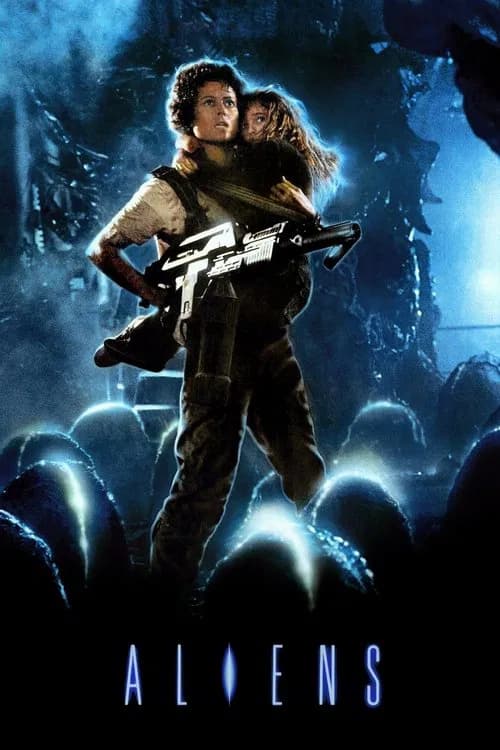
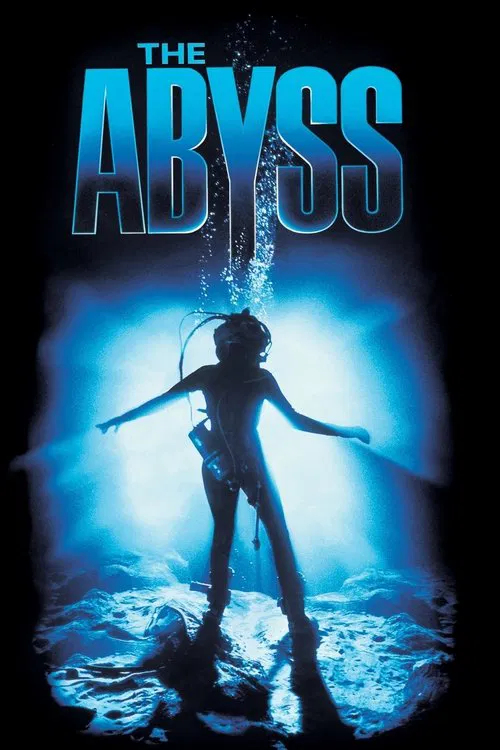
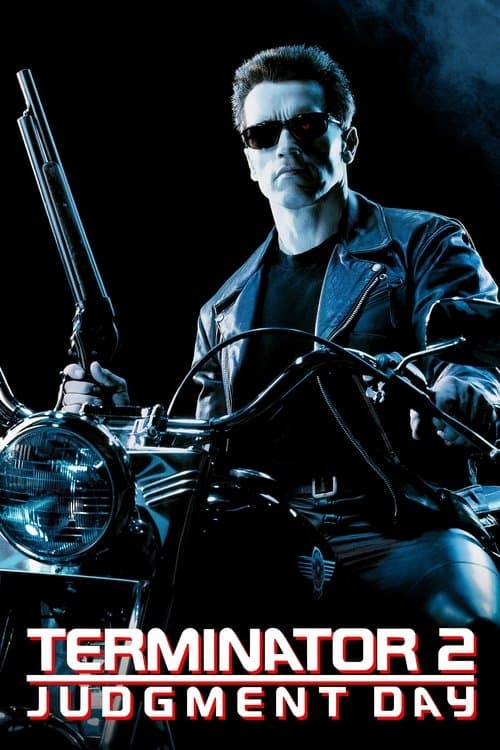
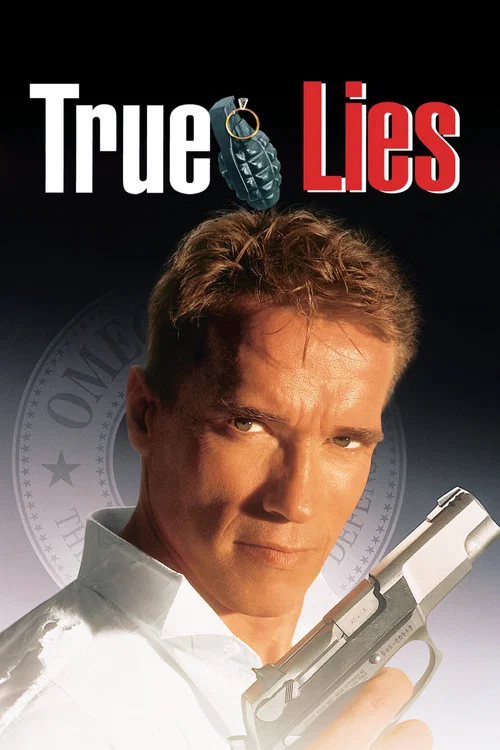
James Cameron directed The Terminator, released in 1984. CineCode also covers Aliens (1986), The Abyss (1989), Terminator 2: Judgment Day (1991), True Lies (1994), Titanic (1997), Avatar (2009).
What films are similar to The Terminator?
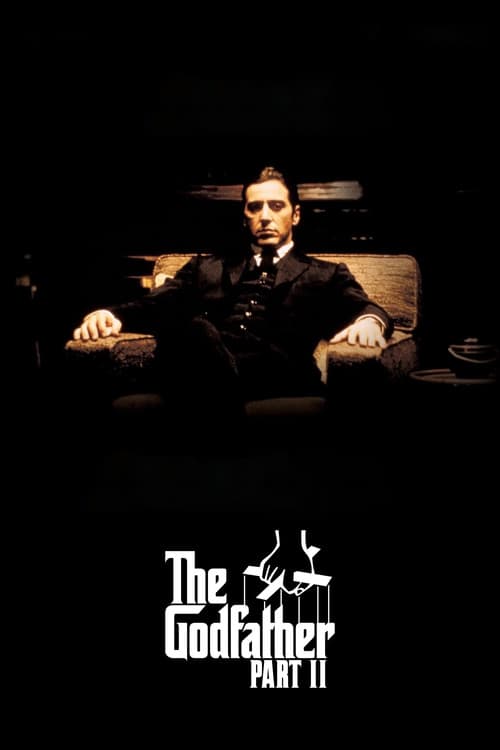
Films that share techniques with The Terminator include Dunkirk (2017), The Godfather Part II (1974), Se7en (1995), Back to the Future (1985).